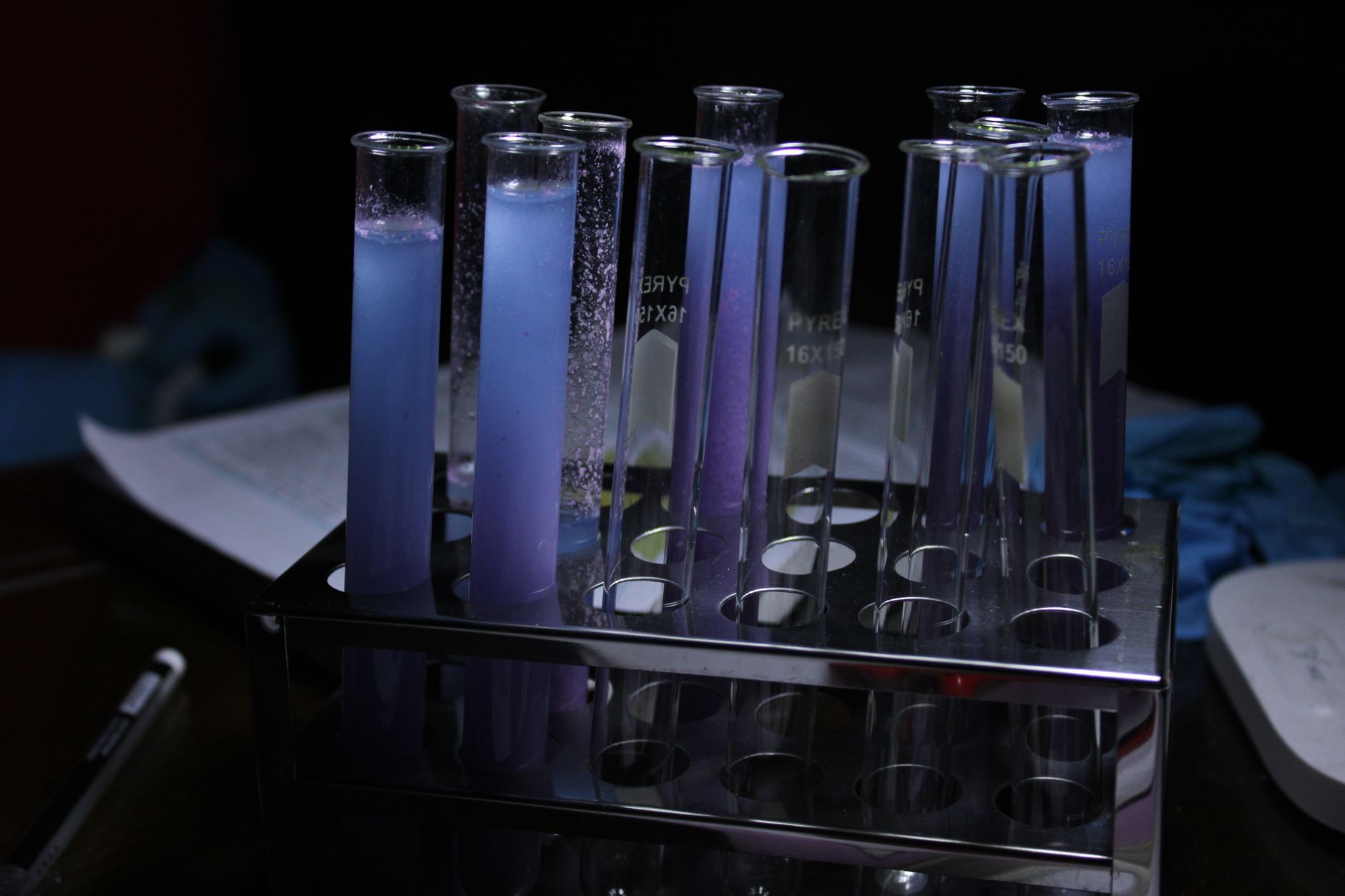
Scientists at the University of Wisconsin‑Madison, together with collaborators at Colorado State University and the University of Colorado Boulder, have introduced a catalyst that releases electrons directly into the surrounding solvent. By doing so, the new method sidesteps the conventional rule that electrons preferentially reduce the most easily reduced molecule, a limitation that has constrained synthetic chemistry for decades.
How the Catalyst Changes Electron Transfer
The breakthrough, reported in Nature, relies on a catalyst that “just ejects the electron directly into solvent,” explained Zachary K. Wickens, a professor of chemistry at UW‑Madison who led the work. Once free in solution, the electron behaves as a highly reactive species, attaching to the first molecule it encounters regardless of that molecule’s intrinsic reduction potential. Wickens described the effect as providing “the strongest reductant and the most aggressive source of electrons you could possibly have,” because a free electron is energetically eager to find any acceptor.
In typical single‑electron transfer reactions, chemists exploit the natural thermodynamic preference for the easier‑to‑reduce partner, which can limit the range of viable coupling pathways. The new catalyst flips this paradigm: the electron’s indiscriminate presence means that even molecules normally disfavored for reduction can capture the electron, opening routes to products that were previously out of reach.
Mechanistic Insight from Colorado Teams
To understand why the system yields the observed selectivity, researchers at Colorado State University performed computational analyses, while scientists at the University of Colorado Boulder applied spectroscopic techniques. Robert S. Paton, who led the computational work, noted that “the decisive selectivity emerges after electron transfer has already occurred.” Their calculations showed that the desired reactant can proceed toward product formation, whereas the competing, easier‑to‑reduce partner is effectively recycled back to its starting material.
This post‑transfer discrimination explains how the overall reaction can succeed despite the usual thermodynamic bias. The partner that would normally dominate the electron‑accepting step does not become trapped in an undesired product; instead, it reverts, allowing the intended pathway to dominate.
Implications for Synthetic Chemistry
The catalyst family, developed over five years by Wickens and his team, represents a new framework for designing redox reactions. “This is not just another synthetic method; it’s a new way to design redox reactions,” Wickens said. By decoupling selectivity from the initial electron‑transfer event, chemists may now access a broader spectrum of coupling reactions, potentially accelerating the synthesis of complex pharmaceuticals, advanced materials, and biomimetic processes that rely on precise electron flow.
The research team included UW‑Madison researchers Zachary Wickens, Joseph M. Edgecomb, Matthew D. Resmini, and Alissia F. Meyer; Colorado State’s Niket Manoj and Robert S. Paton; and University of Colorado Boulder’s Niels H. Damrauer and Arindam Sau. Their findings were published under the title “Selectivity Emerges from Indiscriminate Photoreduction” and are supported by the National Science Foundation‑funded Center for Sustainable Photoredox Catalysis (SuPRCat).
By providing a method to liberate electrons into solution and allowing subsequent selectivity to be governed by downstream reaction dynamics, the work challenges a foundational assumption in redox chemistry and may enable the creation of molecules that were previously considered synthetically inaccessible.

Helene Elliott is the Lead Science & Space Reporter at News Raise. She reports on aerospace missions, astrophysics discoveries, quantum research, and environmental technology.