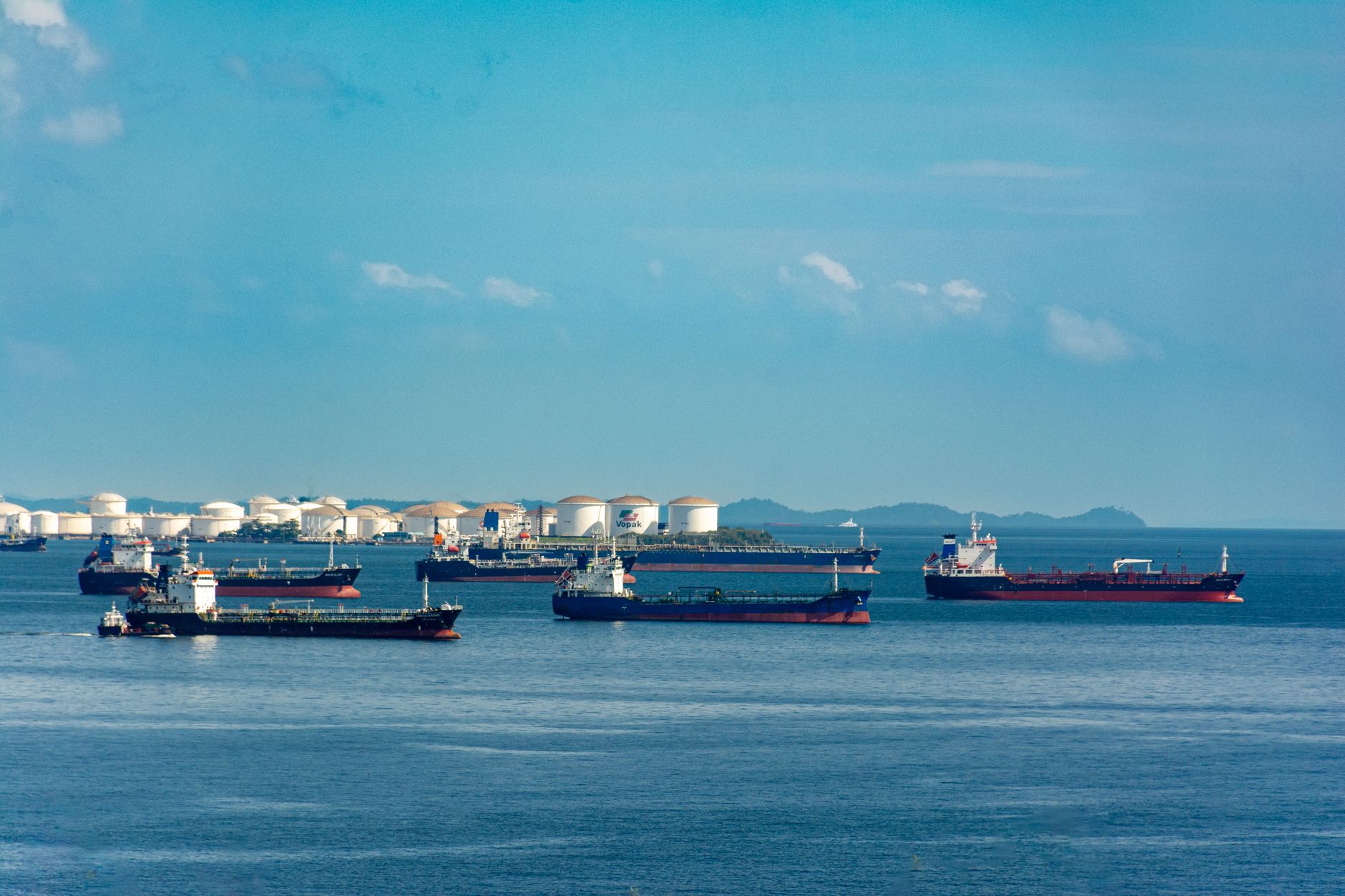
The Strait of Hormuz, a vital waterway for global oil trade, remains effectively closed due to the ongoing conflict between the US and Iran. Despite President Donald Trump’s claims that the strait is open and under US control, traffic through the waterway remains minimal, with only 14 vessels crossing on Tuesday.
The International Energy Agency has warned that the reopening of the Strait of Hormuz is becoming increasingly pressing, as global oil stockpiles are diminishing at a rapid pace. The strait, which passes between Iran and Oman, is the main route for shipping crude from oil-rich countries such as Saudi Arabia, Iraq, and Kuwait to the rest of the world.
Iran’s Demands
Iran’s foreign ministry spokesperson, Esmaeil Baqaei, has demanded compensation for pollution in the Persian Gulf and surrounding areas over recent decades. Baqaei stated that every party that benefits from commercial shipping through the Strait of Hormuz carries a legal and moral obligation to remediate the environmental harm inflicted upon the region.
A recent oil spill from a sanctioned tanker carrying Russian crude has reached some beaches in Ras Madrakah, Oman, with the country’s Environment Authority warning of a potential disaster if the spill continues to spread. The agency has deployed specialized teams to monitor the spill and try to limit its effects.
US-Iran Relations
A top adviser to the commander of Iran’s Islamic Revolutionary Guard Corps has suggested that Iran could prolong the war with the US until Trump is out of office. The US has warned ships against taking the Iranian-approved route through the Strait of Hormuz, but most vessels are still using this route.
The conflict between the US and Iran has also had a significant impact on the environment, with Oman’s Environment Authority warning of the devastating effects of oil spills in the region. The agency has called for immediate action to prevent further damage to the environment and to the people living in the affected areas.
Global Implications
The closure of the Strait of Hormuz has significant implications for global trade and oil prices. The strait carries about one-fifth of global trade in liquefied natural gas, and its closure has led to higher oil and gas prices. Energy analysts have warned that prices are likely to remain elevated until the strait is passable.
The US and its allies are seeking to expand other routes to get oil to market, but the closure of the Strait of Hormuz remains a major challenge. The conflict between the US and Iran shows no signs of abating, and the impact on global trade and the environment is likely to be felt for some time to come.

Mitchell Landsberg is a Senior Technology Correspondent at News Raise. He covers consumer electronics, artificial intelligence, software developments, and digital privacy trends.