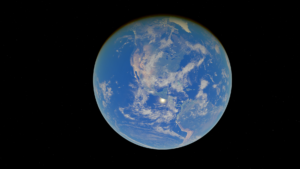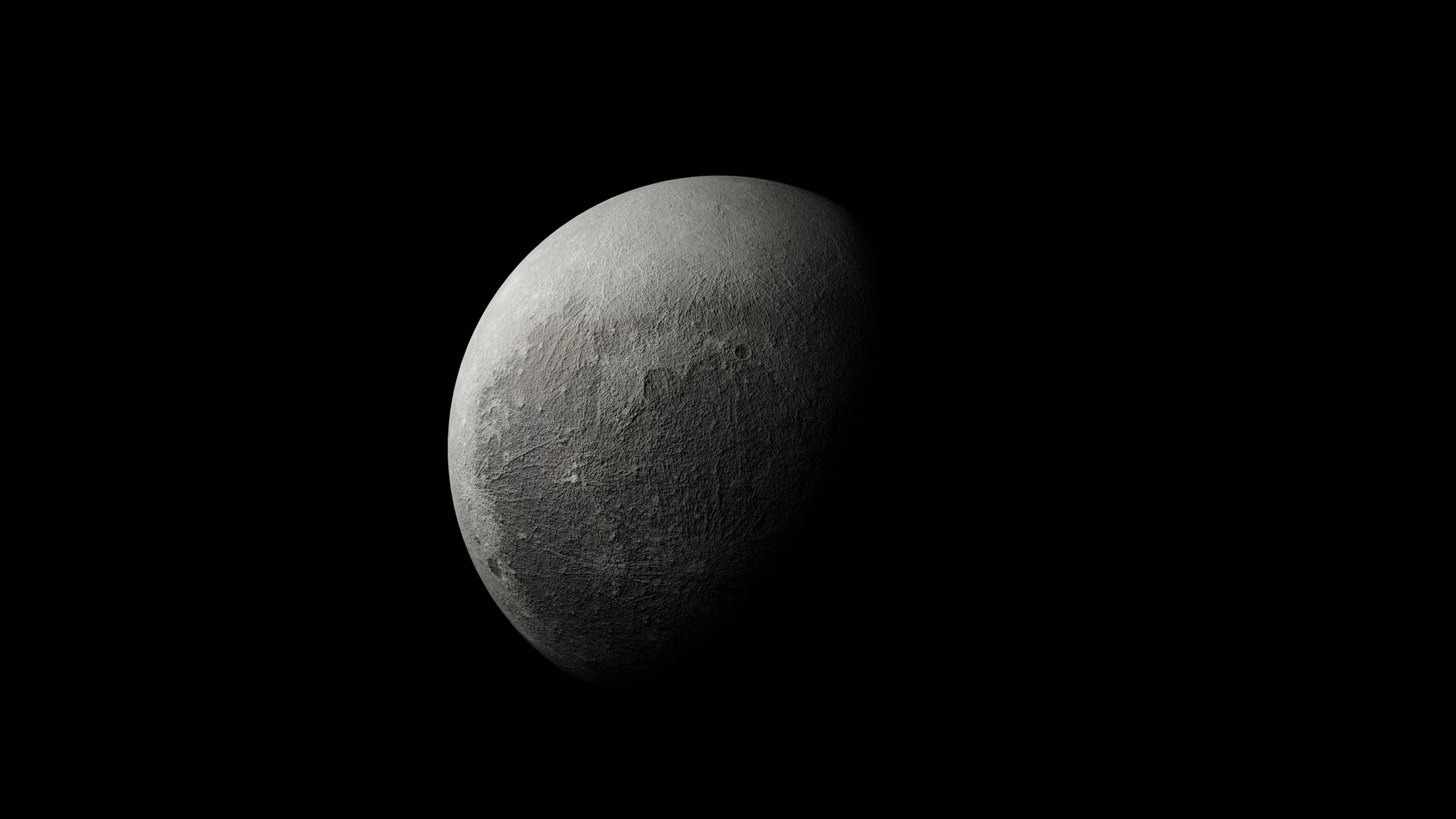
Enceladus, a small icy moon of Saturn, has been found to have the necessary conditions for life, including liquid water, chemistry, and hydrothermal energy. The moon’s subsurface ocean, which is in contact with rock, has been found to have a varied inventory of organic compounds, salts, and phosphorus, making it a plausible candidate for supporting life.
The findings are based on a synthesis of several Cassini analyses, interior models, and life-detection studies. The Cassini spacecraft, which flew through the plume of Enceladus, found evidence of a global liquid ocean beneath the ice, as well as a rocky core that could provide energy and chemistry for life.
Conditions for Life
The plume of Enceladus is a remarkable natural delivery system, allowing spacecraft to collect material exported from the alien ocean without landing and drilling through kilometers of ice. The plume is thought to be driven by hydrothermal activity, which could provide energy for life. The presence of molecular hydrogen, which was detected by Cassini, is also a key indicator of hydrothermal activity.
The detection of phosphorus, a key ingredient for life, has also strengthened the case for Enceladus’s habitability. Phosphorus is essential for the formation of DNA, cell membranes, and energy transfer chemistry, and its presence in the plume-forming ocean water is estimated to be at least 100 times that of Earth’s oceans.
Long-Lived Ocean
The duration of the ocean is also an important factor in determining the possibility of life on Enceladus. Models suggest that the ocean could have been present for tens of millions to billions of years, providing a stable environment for life to emerge and evolve. However, the exact history of the ocean is still unknown and would require further measurements of heat flow, ice thickness, ocean circulation, and water-rock chemistry.
A negative result from a future mission to Enceladus, which found no evidence of life, would not necessarily prove that the moon is sterile. However, if the mission was able to thoroughly sample the plume and ocean material, and found no persuasive biological molecular patterns or unexplained chemical disequilibrium, it could provide valuable insights into the origins of life and the conditions necessary for its emergence.
Implications of a Negative Result
A well-characterized, apparently sterile Enceladus could serve as a natural control, allowing scientists to study the conditions necessary for life to emerge and evolve. It could also provide insights into the possibility of life existing elsewhere in the universe, and the factors that determine the emergence of life on other planets. The search for life on Enceladus is an ongoing effort, and future missions will be designed to thoroughly sample the plume and ocean material, and to detect the presence of life, if it exists.

Norman Pearlstine is the Executive Editor and Co-Founder at News Raise. With over two decades of experience across financial journalism, corporate governance, and market analysis, Norman leads the editorial direction and ensures strict adherence to journalistic accuracy and ethics.