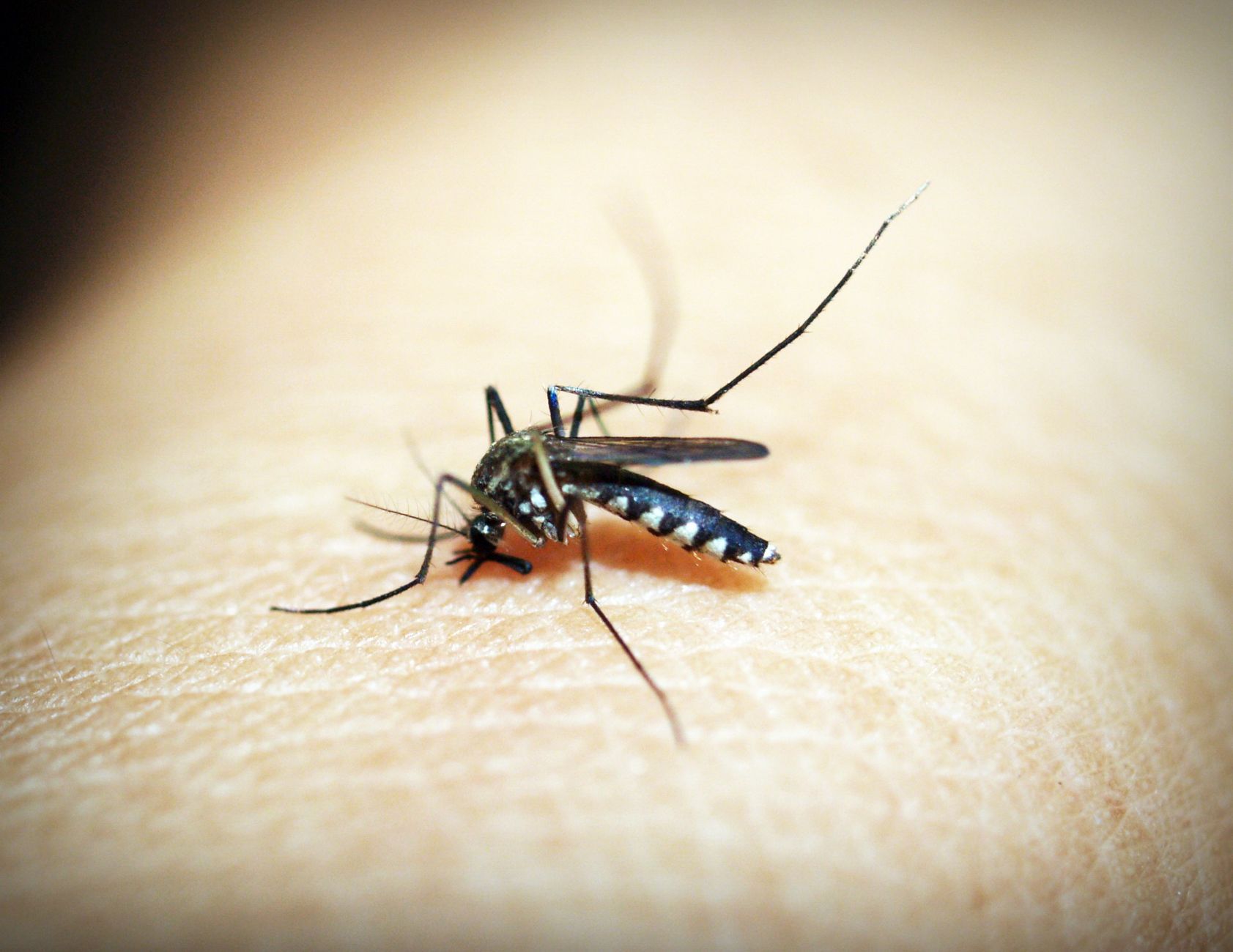
Frankfurt, Germany – Health officials confirmed that two employees of Frankfurt Airport have died after contracting malaria, and four additional workers have been hospitalized with the disease. The infections are linked to an Anopheles mosquito believed to have arrived on an aircraft, according to the city’s health authority and the Robert Koch Institute (RKI).
Investigation and Immediate Response
Airport officials initially reported a single fatality among six infected employees. Subsequent updates clarified that two workers have now died while the remaining four continue to receive medical treatment in hospital. The airport spokesperson told the BBC that comprehensive information has been shared with all staff and that employees experiencing symptoms are urged to consult a doctor.
In response to the incident, the airport has installed mosquito traps throughout the facility. Captured insects will be sent to a laboratory for species identification and origin analysis. The RKI indicated that laboratory results confirming the exact source of the infections may take several weeks.
Public Health Context
The RKI noted that malaria cases in Germany are overwhelmingly associated with long‑haul travelers who acquire the disease in endemic regions. Transmission within a German airport is described as rare; the last known airport‑related outbreak occurred in 2023. Because malaria is transmitted exclusively by mosquitoes and not from person to person, the risk to the broader Frankfurt population is considered “very, very low,” according to a letter obtained by the BBC from local public health officials.
To further investigate, the Institute of Tropical Medicine in Antwerp, Belgium, will analyse malaria parasites found in the patients’ blood samples. This collaboration aims to verify the parasite strain and provide additional insight into how the mosquito entered the airport environment.
Understanding Malaria and Its Impact
Malaria is caused by parasites spread through the bite of infected Anopheles mosquitoes. Typical symptoms include nausea, headache, intense fever spikes, and chills. While effective treatments exist and early detection usually leads to full recovery, delayed diagnosis can result in severe illness and, as demonstrated by the recent fatalities, can be fatal.
Globally, malaria remains a leading cause of death, accounting for hundreds of thousands of fatalities each year, predominantly in sub‑Saharan Africa. The German health system, however, rarely encounters locally transmitted cases, which contributes to potential delays in diagnosis when the disease does appear.
Authorities continue to monitor the situation closely. The airport’s decision to deploy traps and conduct detailed laboratory analysis reflects a precautionary approach aimed at preventing any further spread. Residents of Frankfurt have been reassured that the disease does not spread between people, and that ongoing surveillance efforts are designed to keep the risk minimal.
As the investigation proceeds, health officials emphasize the importance of vigilance among airport staff and the general public. Anyone experiencing malaria‑like symptoms after recent travel or exposure to airport environments is advised to seek medical attention promptly.

Steve Lopez is a Senior Editorial Columnist and Health & Public Policy reporter for News Raise. Steve focuses on healthcare advancements, medical technologies, and public health policies.