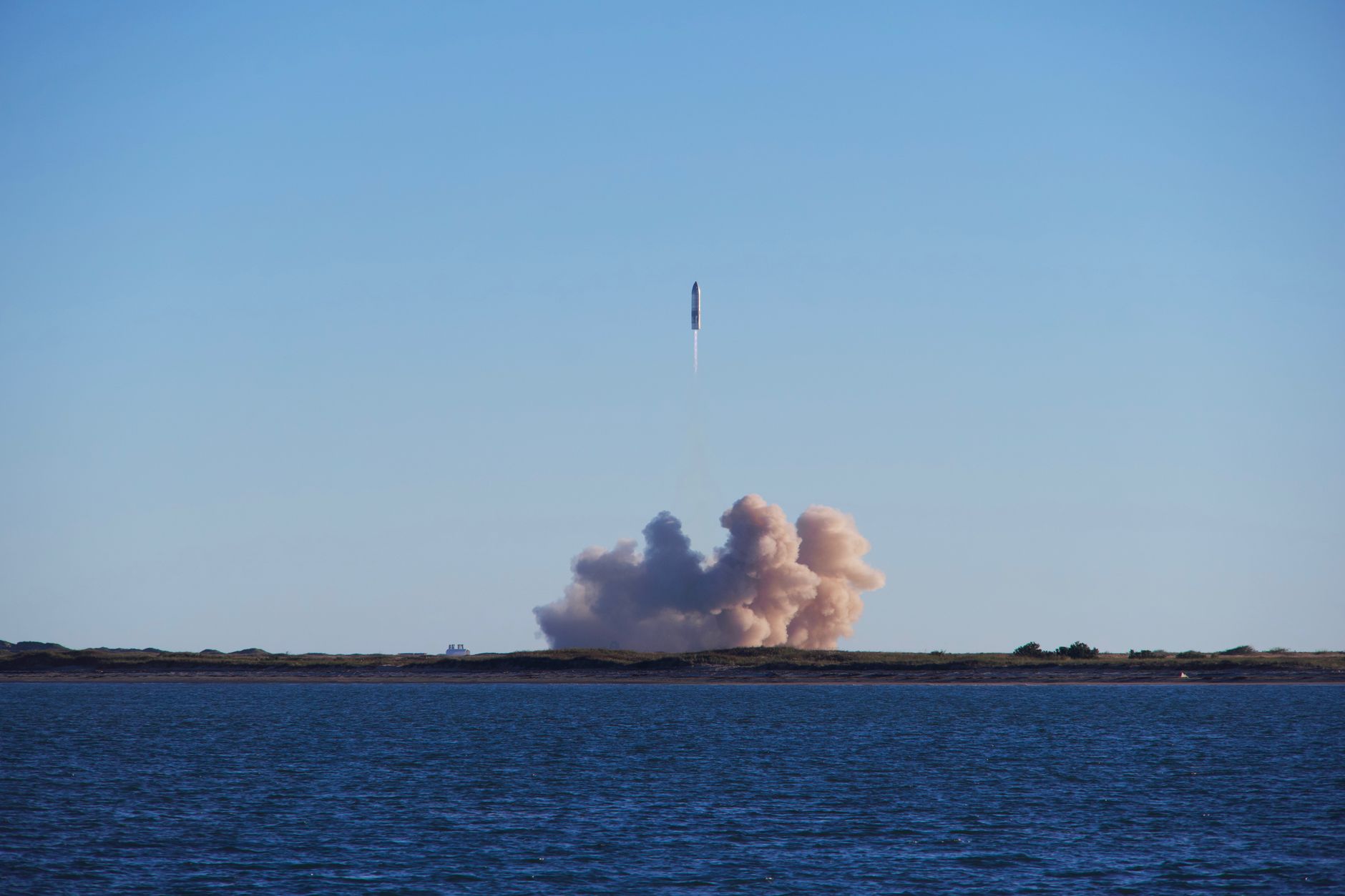
The Nancy Grace Roman Space Telescope, NASA’s next‑generation observatory designed to probe dark energy, hunt exoplanets and study the physics of distant stars, received final launch clearance on Aug. 28. The agency announced the telescope is “go” for launch after a Launch Readiness Review held at Kennedy Space Center (KSC) that included SpaceX representatives. The mission will ride a SpaceX Falcon Heavy rocket from Launch Complex‑39A, with liftoff scheduled for no earlier than 7:26 a.m. EDT (1126 GMT) on Sunday, Aug. 30.
Launch schedule and pre‑flight activities
In the 24‑hour window leading up to the launch, SpaceX raised the Falcon Heavy with the Roman payload already positioned on the pad. NASA will host two live briefings on launch day: a science‑team overview at 9 a.m. EDT (1300 GMT) and a pre‑launch press briefing at 10:30 a.m. EDT (1430 GMT) covering weather forecasts and the rocket’s status. Both events will stream on Space.com and NASA’s website. If conditions on Sunday deteriorate, a backup window opens on Monday, Aug. 31, at 7:22 a.m. EDT (1122 GMT).
Mission profile and destination
After liftoff, the Roman telescope will travel roughly 30 days to reach the Sun‑Earth Lagrange Point 2 (L2), a gravitationally stable location about 930,000 miles (1.5 million km) from Earth on the side opposite the Sun. Once at L2, the spacecraft will undergo a three‑month checkout before beginning its scientific survey, which includes searching for exoplanets and investigating the nature of dark matter and dark energy.
Final preparations and weather outlook
Roman’s journey to the launch pad began on Aug. 25, when the observatory was moved from KSC’s Payload Hazardous Servicing Facility to SpaceX’s hangar at LC‑39A in a convoy of service vehicles. The telescope, encapsulated inside the Falcon Heavy payload fairing, was sealed on Aug. 24 and underwent a full launch‑day dress rehearsal on Aug. 20. Earlier milestones included loading 290 gallons (1,100 liters) of hydrazine fuel on July 25 and attaching the payload adapter in early August. A Flight Readiness Review on Aug. 21 formally cleared the observatory for final integration, and a Launch Readiness Review on Aug. 28 confirmed overall mission readiness.
Forecasts for Sunday morning indicate a small chance of showers or thunderstorms during the 7 a.m. hour, with clouds and lightning identified as the primary concerns. Meteorologists expect conditions to worsen later in the day, making the early‑morning launch window the most favorable. Should weather prevent a Sunday launch, the mission team is prepared to proceed on the Monday slot.

Norman Pearlstine is the Executive Editor and Co-Founder at News Raise. With over two decades of experience across financial journalism, corporate governance, and market analysis, Norman leads the editorial direction and ensures strict adherence to journalistic accuracy and ethics.