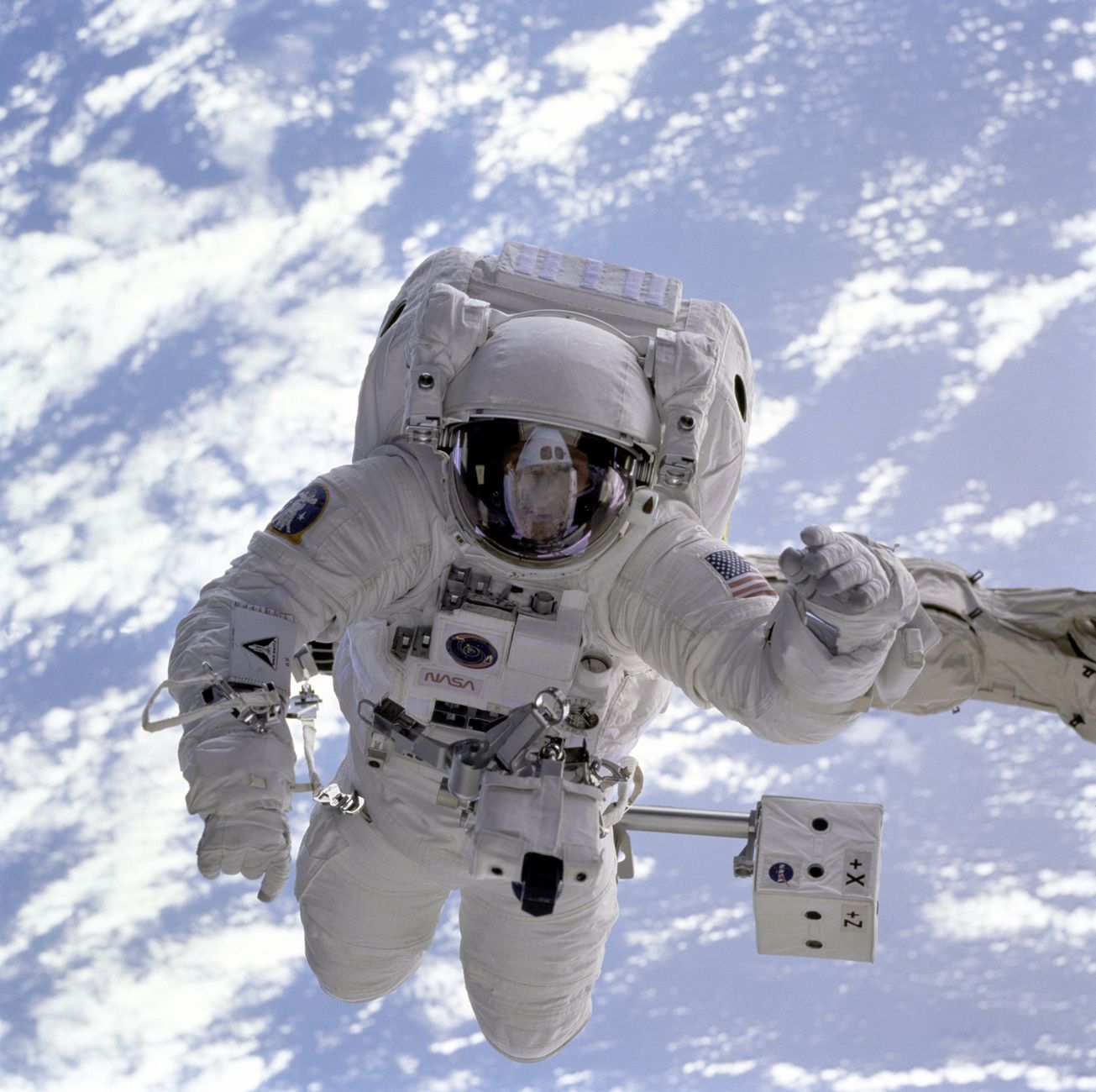
On September 1, two astronauts are slated to conduct the International Space Station’s sixth all‑female extravehicular activity (EVA). NASA’s Jessica Meir and European Space Agency (ESA) astronaut Sophie Adenot will exit the station at approximately 8:30 a.m. EDT (12:30 GMT) for a spacewalk expected to last about six and a half hours. Live coverage will be available from 7:00 a.m. EDT (11:00 GMT) on Space.com and via NASA’s own streaming channels.
Mission tasks and timeline
The EVA’s primary objective is to replace a retroreflector on the forward port of the ISS’s Harmony module. The device aids spacecraft navigation during rendezvous and docking operations, a critical function for ongoing ISS logistics. After the reflector swap, the crew will install jumper cables that support the station’s data‑relay systems, a step that helps maintain robust communication links between onboard equipment and ground control.
Additional tasks include preparing the radiator for the Alpha Magnetic Spectrometer (AMS) for future maintenance and swapping out a high‑definition camera mounted on the station’s truss structure. The AMS, a $2 billion particle‑physics experiment, studies cosmic rays and searches for evidence of dark matter, making its upkeep essential for a broad range of scientific investigations.
Astronaut profiles and EVA experience
Sophie Adenot will serve as “crew member 1” and will wear a suit distinguished by red stripes, according to NASA officials. This will be her third spacewalk, following a historic EVA two weeks earlier that made her the first French woman to conduct an EVA. Jessica Meir will be “crew member 2” and will wear an unmarked suit. The outing marks Meir’s seventh EVA, moving her into third place among female NASA astronauts, behind Peggy Whitson (ten EVAs) and Sunita Williams (nine).
Meir has previously been part of the first three all‑female spacewalks, all conducted with fellow NASA astronaut Christina Koch on Oct. 18 2019, Jan. 15 2020 and Jan. 20 2020. Those early EVAs demonstrated the capability of mixed‑gender crews to perform complex external operations, setting a precedent for today’s mission.
Historical significance
To date, the ISS has seen only five all‑female spacewalks. The upcoming activity will be the sixth, underscoring the increasing representation of women in high‑risk, high‑skill roles in human spaceflight. The mission also highlights international cooperation, with a NASA astronaut paired with an ESA crew member, reflecting the collaborative nature of the ISS program.
Throughout the roughly six‑and‑a‑half‑hour outing, Meir and Adenot will demonstrate the routine yet intricate maintenance required to keep the orbiting laboratory operational. Their work on navigation hardware, data systems, the AMS radiator, and visual monitoring equipment ensures that scientific experiments and daily station functions can continue without interruption.
Observers worldwide will be able to watch the EVA live, providing a glimpse into the technical precision and teamwork that characterize modern space operations. The event not only advances the ISS’s scientific agenda but also serves as a visible milestone for gender diversity in space exploration.

Norman Pearlstine is the Executive Editor and Co-Founder at News Raise. With over two decades of experience across financial journalism, corporate governance, and market analysis, Norman leads the editorial direction and ensures strict adherence to journalistic accuracy and ethics.