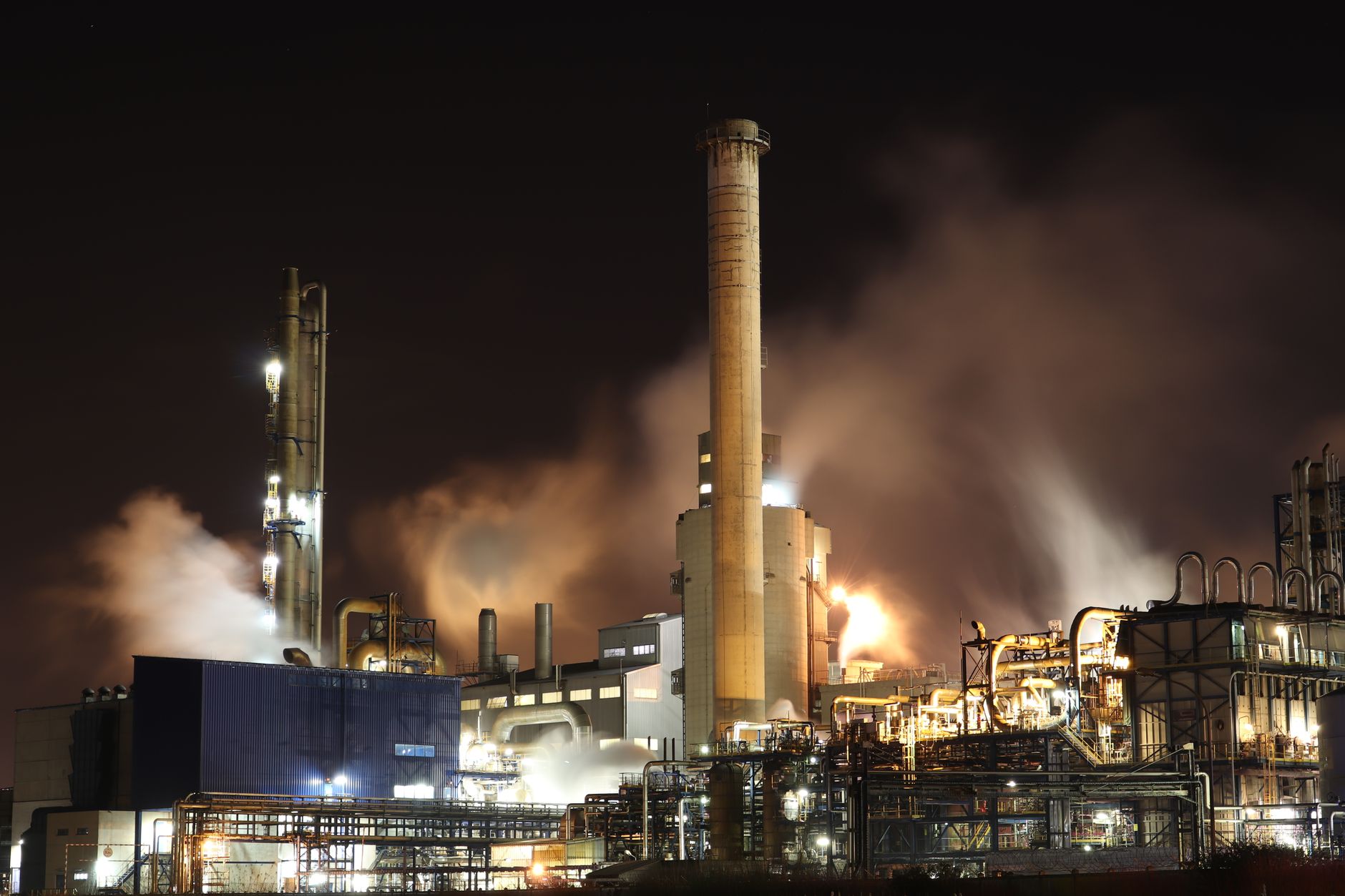
President Donald Trump held a closed‑door meeting with U.S. oil refiners on Tuesday, urging the industry to expand domestic gasoline and diesel production as pump prices remain at historically high seasonal levels ahead of the November midterm elections.
Meeting Focuses on Refining Capacity
The White House official who briefed reporters said Trump made clear his desire for lower consumer fuel costs and asked executives how refining capacity could be increased. The discussion covered potential regulatory adjustments, accelerated permitting processes and the prospect of additional capital investment in U.S. refineries.
According to the American Automobile Association, average gasoline prices have climbed above $4 a gallon and diesel is nearing $6 a gallon nationwide, marking the highest seasonal readings on record. Those figures have become a focal point for the administration, which campaigned on curbing energy expenses before confronting a surge in costs linked to the United States’ ongoing conflict with Iran.
Industry Pushback on Biofuel Mandates
Representatives from roughly a dozen refining and distribution firms used the hour‑long session to raise concerns about the federal Renewable Fuel Standard (RFS). Executives argued that the administration’s decision to set record‑high biofuel‑blending quotas—requiring corn‑based ethanol, soy‑based biodiesel and other alternatives to be mixed into gasoline and diesel—has become unattainable and is driving up pump prices.
Among the attendees were leaders of smaller independent fuel companies such as Delek US Holdings Inc., alongside senior figures from major refiners including PBF Energy Inc., Marathon Petroleum Corp. and Valero Energy Corp. Energy Secretary Chris Wright and Interior Secretary Doug Burgum, who chairs the National Energy Dominance Council, also participated in the meeting.
Industry participants described the current blending targets as “unrealistic” and suggested that the quotas add a cost burden that ultimately falls on consumers. The conversation, according to people familiar with the private briefing, centered heavily on how the RFS intersects with the administration’s broader goal of reducing gasoline prices.
Trump’s direct engagement with refinery executives underscores the political risk he faces. Having pledged to rein in energy costs during his campaign, the president now confronts a market environment where fuel prices have risen sharply, a trend his critics attribute in part to the U.S. war on Iran.
While the meeting concluded with a brief visit to the Oval Office, officials did not disclose any immediate policy shifts. The dialogue, however, highlighted a clear tension between the administration’s price‑reduction agenda and the industry’s concerns over mandated biofuel blending levels.
As the midterm elections approach, the outcome of this high‑level discussion could shape future regulatory approaches to fuel production, permitting timelines and the Renewable Fuel Standard itself. For now, both the White House and refinery leaders remain locked in a debate over how to balance lower consumer prices with the operational realities of U.S. refining capacity.

Helene Elliott is the Lead Science & Space Reporter at News Raise. She reports on aerospace missions, astrophysics discoveries, quantum research, and environmental technology.