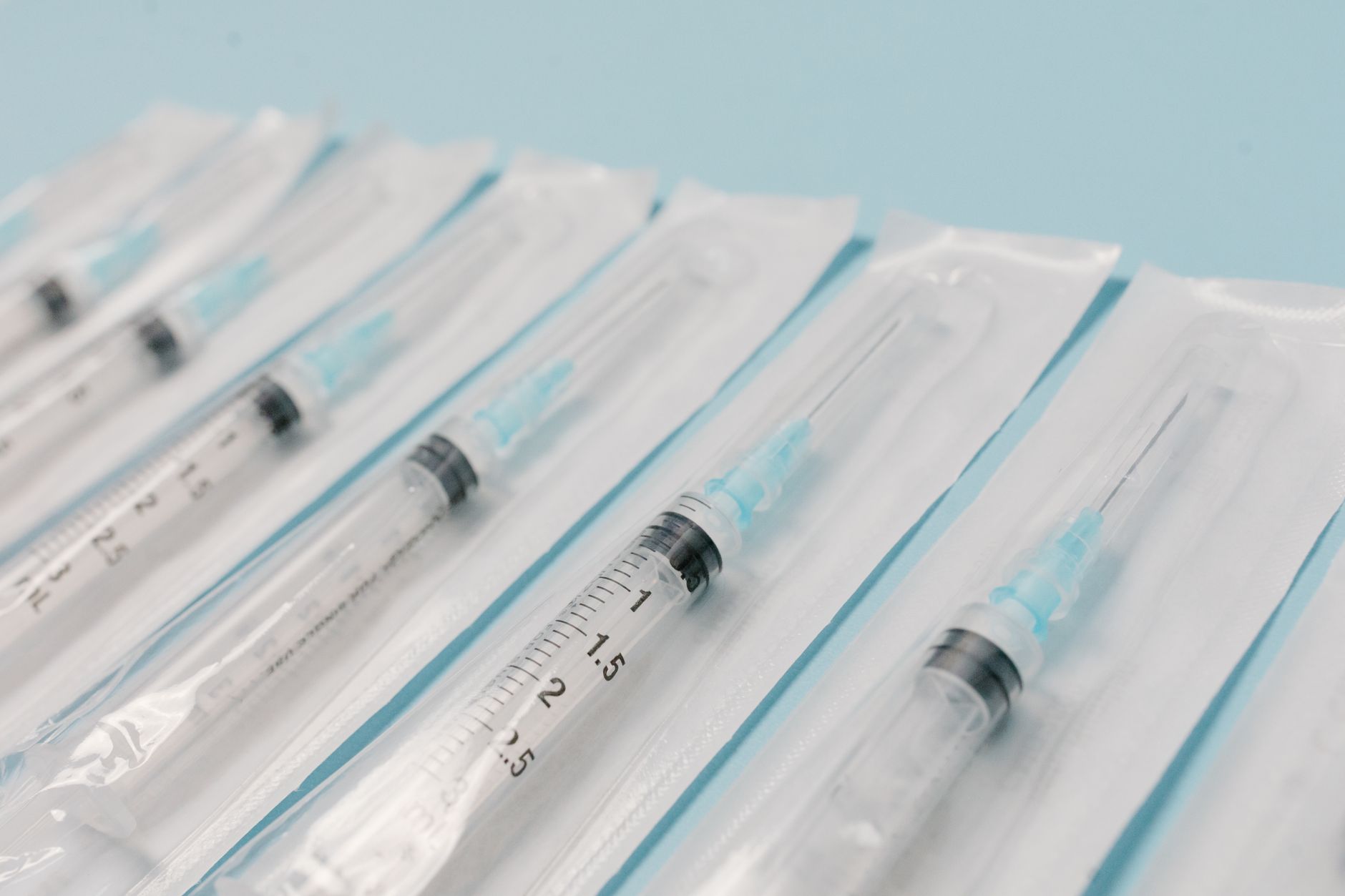
U.S. hospitals saw a 57% increase in parents refusing the standard vitamin K shot for newborns between January and June 2026, according to a data review by health‑analytics firm Truveta. The rise pushes the proportion of infants missing the injection to 8.1% by the end of June, up from 5.2% six months earlier, and more than doubles the average refusal rate recorded from 2019 to 2024.
Sharp Rise in Refusals
Truveta examined health records for over 1 million births nationwide, identifying 1,026,375 infants born to 825,599 mothers between January 2019 and June 2026. In the first half of 2026, the non‑receipt rate was 2.5 times higher than the 2019‑2024 average and 1.4 times higher than the rate recorded in 2025. The surge aligns with broader public‑health mistrust that pediatric experts have linked to recent anti‑vaccine rhetoric.
Health Secretary Robert F. Kennedy Jr. has been cited for fueling skepticism toward vaccines and other established medicines. In January, he announced a withdrawal of routine recommendations for the hepatitis B birth dose and five other childhood vaccines, a move that coincided with the observed spike in vitamin K refusals. Although a court ruling has paused those changes, former President Donald Trump reiterated the call in an August 10 executive order, further amplifying mixed messages to parents.
Health Risks and Gender Disparities
Newborns are born with minimal vitamin K, a clotting factor essential for preventing hemorrhage. The Centers for Disease Control and Prevention (CDC) still recommends the injection within the first day of life. CDC data indicate that infants who do not receive the shot are 81 times more likely to experience life‑threatening bleeding in the brain or gut during the first six months. One in five infants who develop serious bleeding dies, and without the injection, such bleeding occurs in roughly one out of every 59 births.
Gender differences have emerged in the refusal pattern. A study of three University of Pennsylvania hospitals found that girls were twice as likely as boys to miss the shot. Nationally, Truveta’s analysis showed that in June 2026, 8.9% of girls and 7.3% of boys had not received vitamin K within a day of birth, raising concerns that the rising refusal rate could disproportionately affect female infants.
Medical Community Response
Physicians are reporting the trend on the front lines. Dr. Karen Puopolo, chair of the American Academy of Pediatrics’ Committee on Fetus and Newborn, said the data reflect daily challenges pediatricians face as more parents reject evidence‑based guidance. Dr. Nia Heard‑Garris of Lurie Children’s Hospital in Chicago described the situation as “terrifying” and likened it to moving backward in child health.
Some practices have begun stocking vitamin K in outpatient settings to address hospital refusals. Dr. Amanda Furr, chief medical officer of Zarminali Pediatrics, noted that the shot is now kept in all 45 of the network’s pediatric offices across 13 states. Two other physicians confirmed they are also providing the injection outside the birth hospital.
Neonatologist Dr. Sarah Coggins recalled a 2013 cluster in Nashville where parents, believing the shot to be toxic, declined it, leading to severe bleeding and long‑term brain damage in an infant. She now requires parents who refuse vitamin K to sign a consent form acknowledging the risks.
Refusals intersect with other newborn interventions. Many hospitals prohibit male circumcision without prior vitamin K administration because of bleeding risk. Dr. Brad Scoggins of San Juan Health Partners in New Mexico stated, “No vitamin K, no circumcision,” noting that parents often prioritize circumcision even when they decline the shot. He linked rising vitamin K refusals to broader rejection of the hepatitis B vaccine and prophylactic eye ointment.
Federal officials have been asked to track refusals and related bleeding events. In July, Representative Kim Schrier and Senator Angela Alsobrooks sent a letter to then‑acting CDC Director Jay Bhattacharya requesting public reporting of such data. Senator Alsobrooks later said the CDC and HHS had not responded. HHS spokesperson Grace Davis Jamison said the agency is reviewing available data and that concerns about vitamin K predate the current administration.
The growing refusal rate underscores a widening gap between public‑health recommendations and parental acceptance, prompting pediatric leaders to intensify education efforts and consider new monitoring mechanisms to safeguard newborns from preventable bleeding complications.

Helene Elliott is the Lead Science & Space Reporter at News Raise. She reports on aerospace missions, astrophysics discoveries, quantum research, and environmental technology.