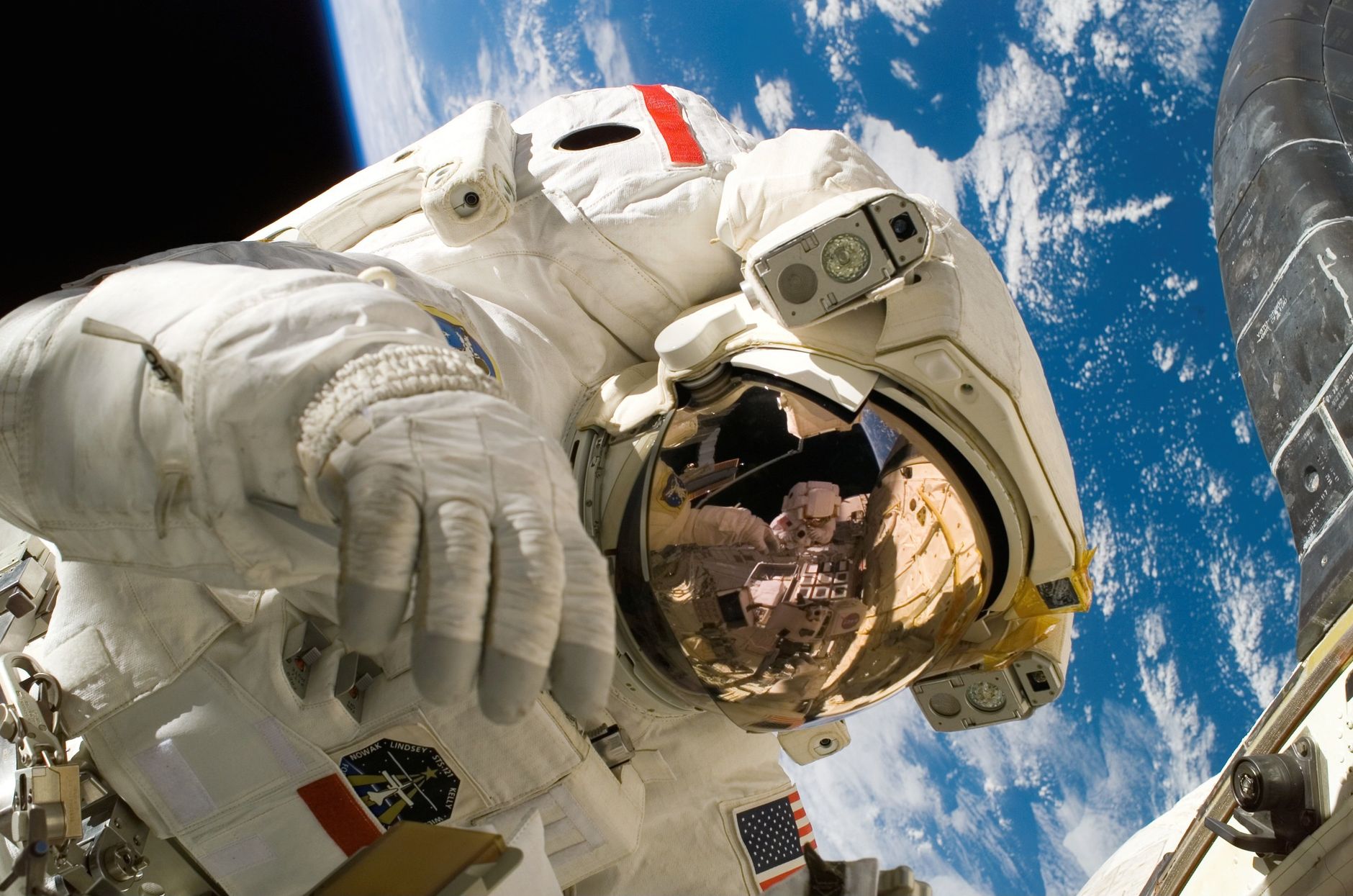
NASA astronaut Jessica Meir and European Space Agency (ESA) astronaut Sophie Adenot conducted a six‑hour‑49‑minute extravehicular activity (EVA) on Tuesday, September 1, to replace critical hardware on the International Space Station (ISS). The spacewalk, which began at 8:40 a.m. EDT (1240 GMT) from the U.S. Quest airlock, focused on swapping a planar deflector—also known as a retroreflector—on the forward port of Harmony Node 2 and installing a new high‑definition Camera Port 3 (CP3) on the station’s truss.
Key tasks performed
The first objective was the removal of an aging retroreflector that had become coated with thruster residue from previous visiting spacecraft. The reflector assists visiting vehicles in navigation during rendezvous and docking. Meir and Adenot successfully detached the old unit and installed a fresh spare, restoring the optical surface needed for precise approach maneuvers.
Following the reflector replacement, the crew turned to the CP3 camera. Meir announced the camera’s removal with “And it’s off!” and the moment was met with applause from Mission Control at NASA’s Johnson Space Center. The spent camera assembly was exchanged for a new high‑definition unit, enhancing visual monitoring of the station’s exterior.
After the primary hardware swaps, Adenot moved to a scientific sampling task, swabbing surfaces on the airlock exterior and her gloves to test for microbial presence. Meanwhile, Meir used the Canadarm2 robotic arm to position herself near the Alpha Magnetic Spectrometer (AMS) and torqued 46 bolts in preparation for future maintenance of the particle‑physics detector. She also relocated power and thermal jumper cables and an articulating portable foot restraint for later EVA use.
Suit issue and resolution
Late in the EVA, Adenot reported a loss of mobility in her left shoulder joint. Mission Control, prioritizing astronaut safety, instructed her to remain stationary while Meir returned to the airlock. Once inside, Meir examined Adenot’s extravehicular mobility unit (EMU) and discovered a kink in the upper arm assembly where a cable had become caught between the shoulder’s multi‑layer insulation (MLI) and the rotation joint. By unzipping the affected section, Meir freed the cable, restoring movement and allowing the duo to re‑enter the airlock together at 4:29 p.m. (2029 GMT) to conclude the EVA.
Historical context
This outing marked Meir’s seventh and Adenot’s third spacewalks. With a cumulative 49 hours 22 minutes of EVA time, Meir now ranks third among NASA women astronauts for total spacewalk duration, trailing only Peggy Whitson (10) and Sunita Williams (9). Adenot’s total EVA time rose to 19 hours 42 minutes.
The EVA was the 284th supporting the ISS’s assembly, maintenance and upgrades, the seventh spacewalk of the year, the fifth EVA for Expedition 75, and the sixth all‑female spacewalk in history. The successful replacement of the docking aid and camera ensures continued safe operations for visiting spacecraft and improves visual coverage of the station’s exterior.

Helene Elliott is the Lead Science & Space Reporter at News Raise. She reports on aerospace missions, astrophysics discoveries, quantum research, and environmental technology.