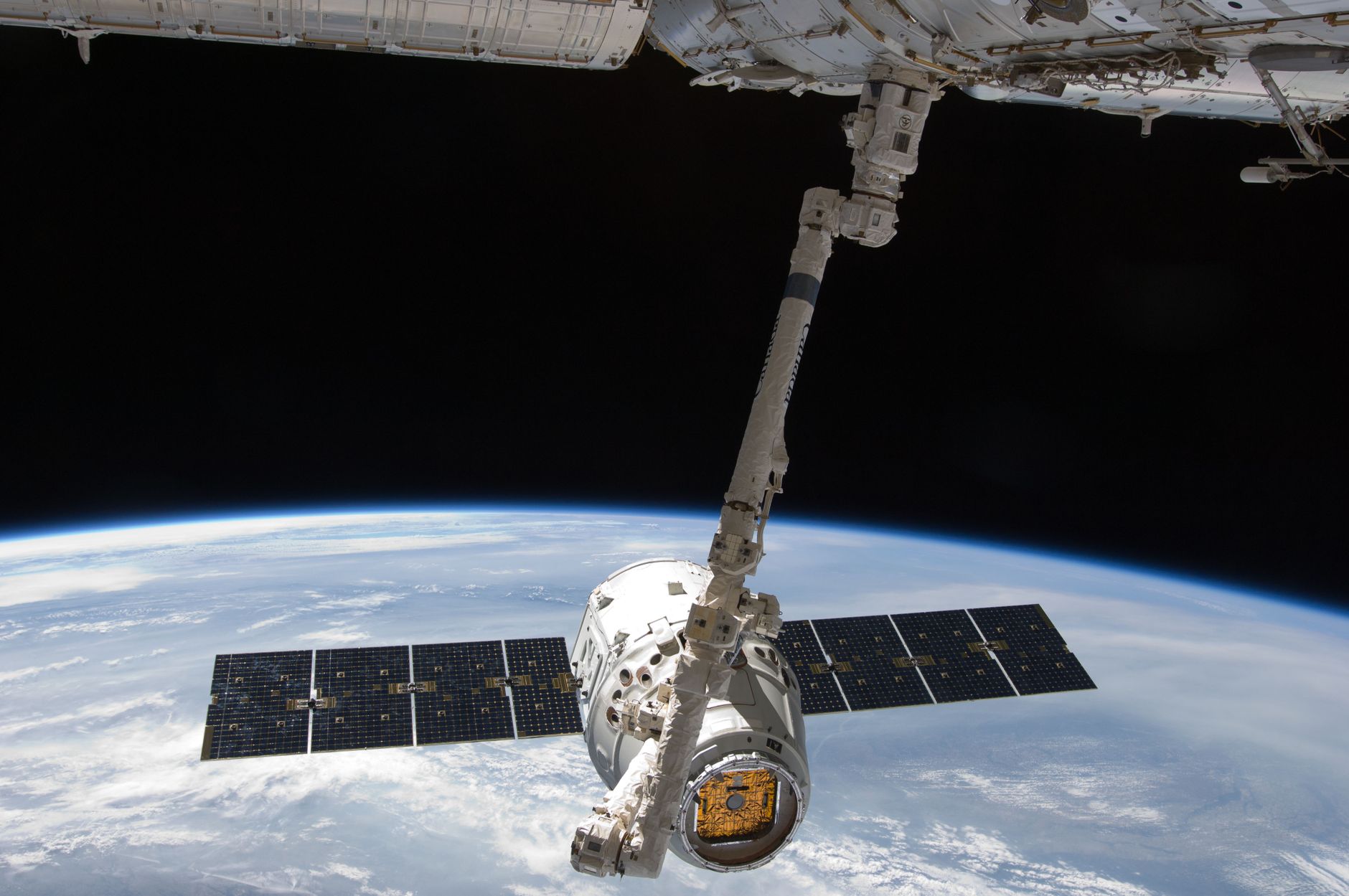
A private spacecraft built by Katalyst Space Technologies managed to fly within 15 kilometers (9 miles) of NASA’s Swift Observatory, snapping images and gathering sensor data, but it could not raise the telescope’s orbit because of a fuel shortfall.
Swift’s dwindling orbit
Launched in 2004, Swift has spent more than two decades scanning the universe for gamma‑ray bursts. Recent intense solar storms have accelerated its orbital decay, dropping its altitude to roughly 208 miles (335 kilometers), about half its original height. NASA expects the telescope to re‑enter Earth’s atmosphere sometime between October and the end of the year. The agency briefly halted observations earlier this year to conserve power, then resumed them last week.
Link’s near miss
Katalyst’s three‑armed robotic vehicle, named Link, was dispatched in July to boost Swift into a higher, longer‑lasting orbit. Shortly after launch, the spacecraft entered an uncontrolled spin. Flight controllers slowed the tumble and stabilized Link, but the maneuver consumed much of the limited propellant. By the time Link approached Swift on Tuesday—two weeks after the rescue effort was officially abandoned—it had insufficient fuel to perform the intended orbital raise.
“We got so close, but so far,” said Katalyst CEO Ghonhee Lee in an interview with the Associated Press. Lee attributed the spacecraft’s problems to the accelerated schedule: the mission was assembled in just nine months, forcing engineers to use whatever components were on hand rather than waiting for ideal parts.
NASA paid Katalyst $30 million for the attempt, describing the operation as an experimental exercise with limited risk. Both parties emphasized that the primary goal was to gather experience for future satellite‑servicing missions, not to risk creating additional space debris.
Implications for satellite servicing
Although Link likely lacks enough propellant for another close approach to Swift, the spacecraft will continue to exercise its three one‑meter arms and transmit data until it re‑enters the atmosphere in the coming weeks.
NASA Administrator Jared Isaacman praised the effort despite its outcome, noting that “that’s exactly the type of missions that we should be flying at NASA. We will learn from that.” He added that extending the life of valuable assets can be more cost‑effective than building replacements, a principle reflected in the design of the upcoming Roman Space Telescope, which is being built to be refueled.
Katalyst is also developing a next‑generation vehicle that could boost the 36‑year‑old Hubble Space Telescope to a more sustainable orbit. Lee said Hubble still has several years of operational life, and the company believes satellite servicing will shift from a niche activity to a routine capability.

Steve Lopez is a Senior Editorial Columnist and Health & Public Policy reporter for News Raise. Steve focuses on healthcare advancements, medical technologies, and public health policies.