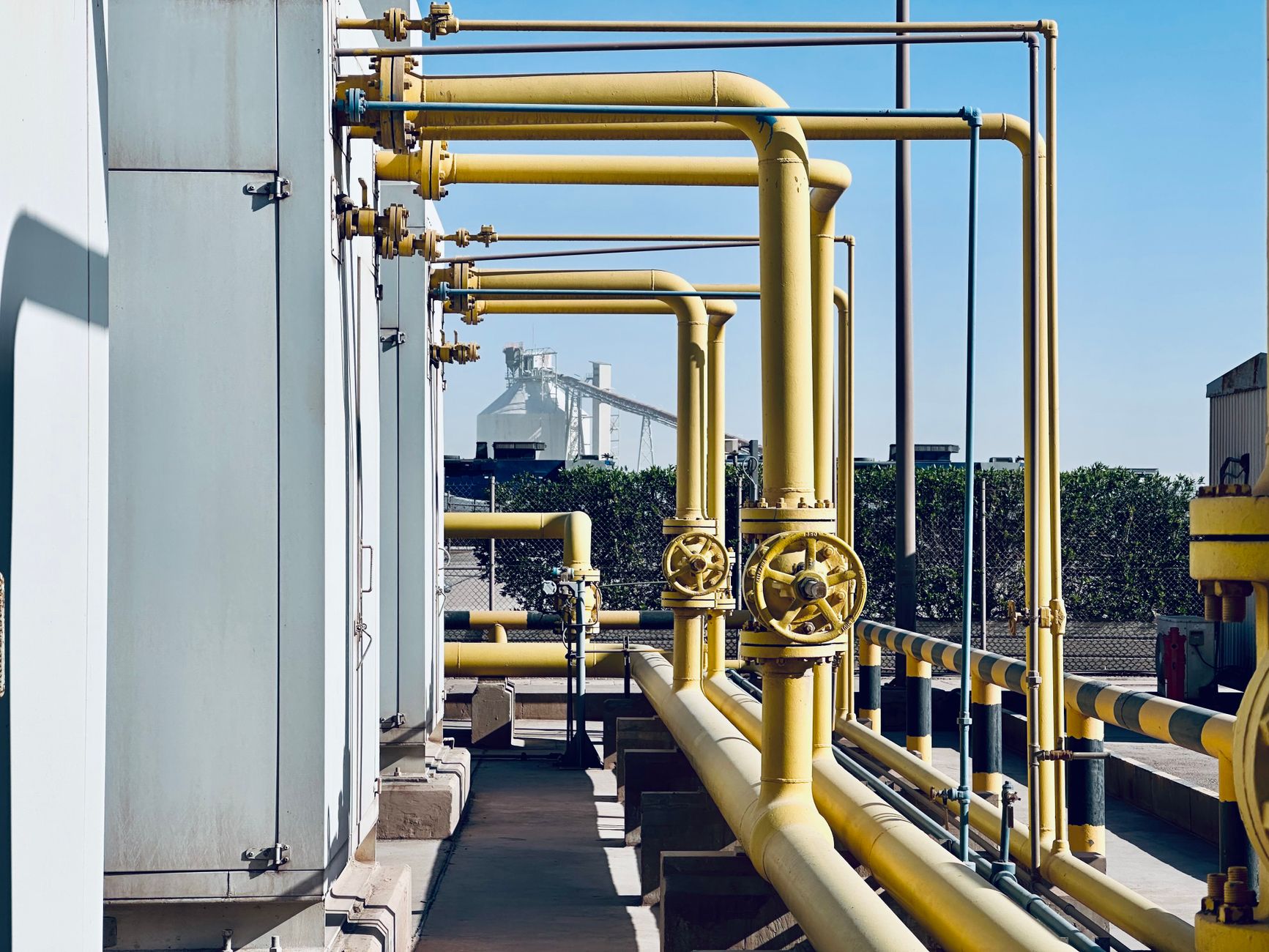
President Donald Trump announced on Friday that a series of new pipelines and overland transport corridors across the Middle East are being built to lessen the world’s dependence on the Strait of Hormuz. Speaking to reporters after signing executive orders at the White House, Trump said the strategic waterway is “not what it used to be” and that Iran’s leverage over global oil flows could fade as alternatives come online.
Overland routes and Syrian corridor
Trump highlighted an overland route that runs through Syria, noting that trucks are already moving crude along that path. He suggested that Iran would need to become “really smart” if it hopes to maintain influence over a Hormuz that is becoming less essential. The president’s remarks came as governments and energy firms continue to explore ways to bypass the strait amid heightened tensions with Tehran.
Political commentary on the conflict
Vice President JD Vance, during a White House briefing on Thursday, said he would not label the U.S. engagement with Iran a “war,” adding that there was “no active shooting” at the time. Trump echoed that phrasing on Friday, describing the situation as a “military conflict” rather than a war. Senator Bernie Sanders of Vermont publicly rebuked Vance, writing on X that the description does not reflect the human toll, referencing the 19 U.S. service members who have died and the thousands killed across the region.
Economic ripple effects
At the same time, the Associated Press reported that diesel prices hit a national average of $5.85 per gallon, a record high linked to the six‑month conflict with Iran that has disrupted global fuel supplies and pushed crude prices upward. Higher diesel costs are already raising expenses for freight carriers, farmers and delivery networks, with some businesses passing the increase on to consumers through shipping surcharges and higher grocery prices, especially for perishable items that rely on diesel‑powered transport.
In Yemen, Iran‑backed Houthi forces launched an offensive toward the Bab al‑Mandab Strait, killing more than 120 people, according to AFP. The fighting underscores the strategic importance of alternative routes, as the Bab al‑Mandab has gained prominence after disruptions in the Hormuz corridor.
Pipeline projects and investment interest
An analysis by The Jerusalem Post noted that Syria is positioning itself as a potential energy corridor to the Mediterranean. Iraq has proposed a new pipeline that would run through Syria to the Mediterranean, a project estimated to cost at least $15 billion and take about four years to complete. A consortium that includes Chevron has shown initial support for feasibility studies. Syria has also signed recent agreements with ConocoPhillips and Novaterra to rehabilitate gas fields, while ConocoPhillips plans to acquire a stake in oil operations in Iraq’s Kirkuk region.
The existing Kirkuk‑to‑Baniyas pipeline, dating back to the 1950s, would need extensive repairs before it could resume service, meaning oil would continue to travel by truck in the interim.
Related arms and diplomatic moves
On the same day, the United States approved a potential $5 billion sale of Joint Direct Attack Munition‑Extended Range (JDAM‑ER) bombs and related equipment to Saudi Arabia, along with a separate $750 million sale of AGT‑1500 tank engines. Both sales await congressional approval and are framed as strengthening Saudi airborne defense and interoperability with U.S. forces.
Turkey’s President Recep Tayyip Erdogan said his country would keep pursuing diplomatic initiatives to ease U.S.–Iran tensions, even as the U.S. sanctioned a Turkey‑based bank for allegedly facilitating Iranian transactions.
Analysts also note that Iran is increasingly turning to sea mines to disrupt maritime traffic, a tactic described by a senior fellow at the Washington Institute as part of a broader strategy to make the conflict “painful” for U.S. and regional partners.
Collectively, these developments illustrate how the Iran‑related conflict is reshaping energy logistics, driving up fuel costs, and prompting both private and governmental actors to seek new routes and technologies to safeguard supply chains.

Mitchell Landsberg is a Senior Technology Correspondent at News Raise. He covers consumer electronics, artificial intelligence, software developments, and digital privacy trends.