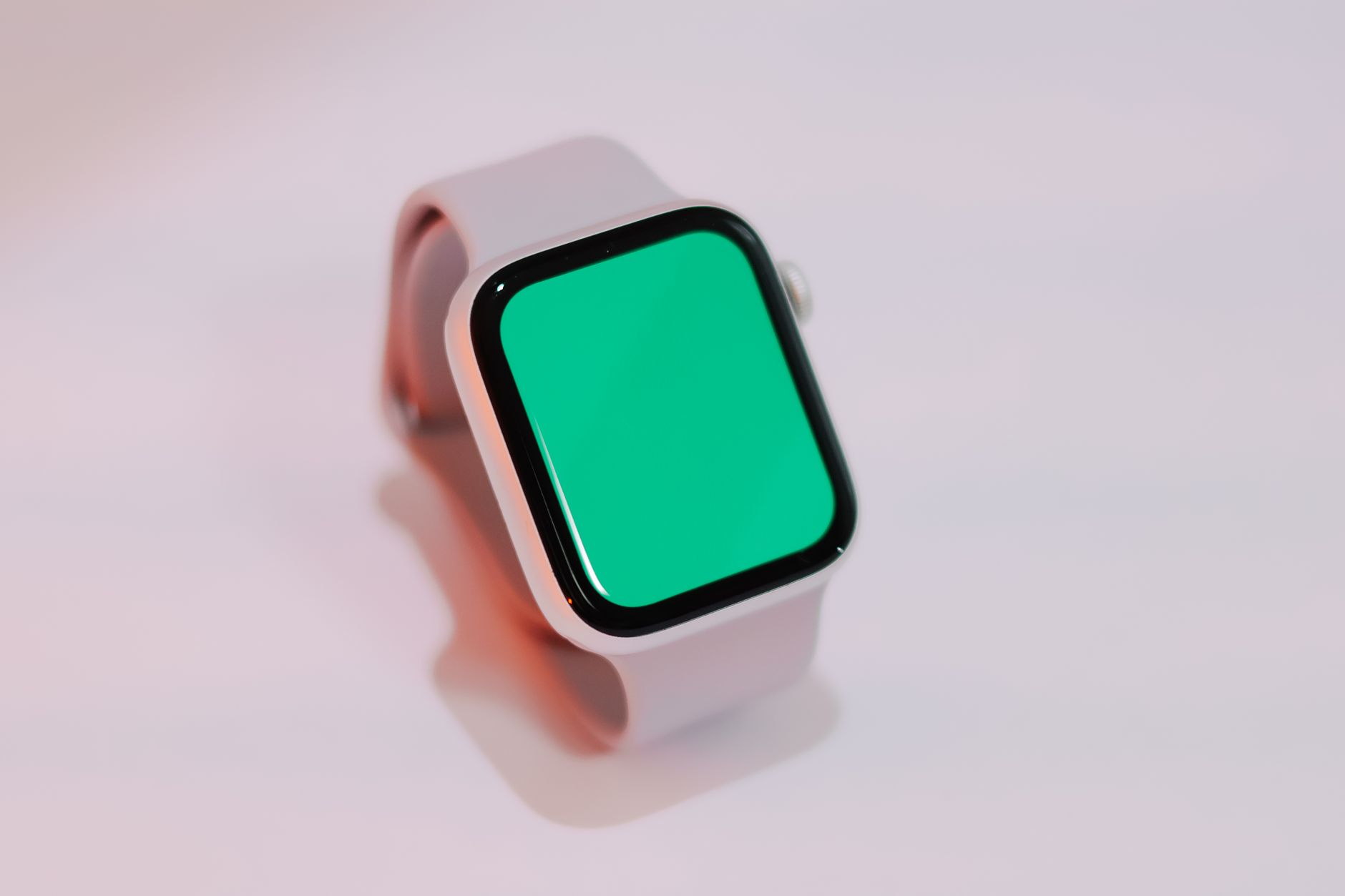
Apple’s newest smartwatch, the Watch Series 12, arrives with a set of internal upgrades that aim to reshape how users monitor health and interact with AI on their wrist. While its outward design, button layout and size options remain unchanged, the device now houses a new S11 chip and a reengineered sensor array that together enable continuous heart‑rate sampling, faster Siri responses and a forthcoming suite of AI‑powered health insights.
Hardware Overhaul
The centerpiece of the update is the S11 system‑on‑chip, which adds a secure enclave dedicated to processing microphone data and delivers a faster CPU, GPU and Neural Engine. Coupled with the chip is a completely redesigned health sensor array. The electrodes that support the electrocardiogram (EKG) function are larger for better skin contact, the photodiodes have been rearranged to capture reflected light more efficiently, and new optical LEDs are bigger yet consume less power.
These changes allow the Series 12 to record heart‑rate data every five seconds, both at rest and during activity. Earlier models only sampled heart rate roughly once every five minutes when the wearer was not exercising, a limitation introduced to conserve battery life. Apple’s own white‑paper comparing the new continuous monitoring to a Polar H10 chest strap and to competitors such as the Pixel Watch 4, Samsung Galaxy Watch 8, Oura Ring 5 and Whoop shows the Series 12 staying within five beats per minute of the gold‑standard strap across various workouts and at rest. The slight lag—about four seconds—was deemed unnoticeable in everyday use.
Battery capacity remains similar to the previous generation, offering an estimated 24‑hour life. However, Apple has improved charging speed: a 20‑minute charge can raise the battery from 20 % to 64 %, making short daily top‑ups practical.
New Health and AI Features
Beyond hardware, the Series 12 introduces a “readiness score” that aggregates overnight, daytime and weekly metrics such as activity levels, sleep score, resting heart rate, respiratory rate, wrist temperature and a newly defined recovery heart‑rate variability (HRV). Recovery HRV, enabled by the more frequent sensor readings, differs from traditional HRV by focusing on short‑term strain rather than long‑term cardiovascular health. After seven nights of sufficient sleep, the watch calculates a score from 0 to 10, where 0‑1 suggests recovery, 2‑4 advises pacing, 5‑7 indicates readiness, and 8‑10 encourages full effort. The feature is only available on Series 12 and Ultra 4 devices.
Apple also promises a redesigned Health app slated for release later this year in iOS 27. Early demos show AI‑driven insights, a longevity tab with a “Health Age” score, VO₂ max assessments using the phone’s camera, and the ability to order a $119 blood panel from Quest Diagnostics. While these capabilities are not yet live on launch, the hardware foundation is already in place.
Siri on the wrist benefits from the S11’s performance boost, delivering faster query responses compared to the prior Ultra 3 model. Apple describes a forthcoming “Audio Intelligence” suite that will leverage ambient listening, though detailed functionality remains under wraps.
What Remains Unavailable
Several of the most ambitious AI health tools referenced in Apple’s roadmap will roll out later in the year, meaning early reviewers could not evaluate them. Privacy‑focused structures for the new audio features have been built, yet it is unclear whether they will shift public perception of on‑device listening. Critics note that while the hardware upgrades are substantial, many of the headline features will not be accessible at launch.
Overall, the Series 12 marks a clear shift for Apple toward more continuous, AI‑enhanced health tracking. The combination of a powerful S11 processor, a refined sensor suite and a faster charging experience positions the watch as a competitive player in a market where other manufacturers have already offered continuous heart‑rate monitoring for years. Whether the upcoming software innovations will deliver on Apple’s promise of a new wearable era remains to be seen, but the hardware groundwork is undeniably stronger than in any prior model.

Mitchell Landsberg is a Senior Technology Correspondent at News Raise. He covers consumer electronics, artificial intelligence, software developments, and digital privacy trends.