Asian equity markets moved higher on Monday as investors digested comments from U.S. Treasury Secretary Scott Bessent, who said the United States had a “very successful engagement” with Chinese officials following talks in New York. The remarks came ahead of the anticipated meeting in Washington between President Donald Trump and Chinese President Xi Jinping, an event expected to address trade, artificial intelligence and broader geopolitical issues.
Market Gains Across the Region
Broad‑based advances were recorded in several key Asian indices. South Korea’s Kospi climbed 1.8% to 7,018.98, driven by a 5% surge in Samsung Electronics and a 1% rise in memory‑chip maker SK Hynix. In Taiwan, the Taiex rose 1.1%, with leading AI chip producer Taiwan Semiconductor Manufacturing Co. (TSMC) adding 0.6%. Hong Kong’s Hang Seng edged up 0.6% to 24,891.58, while China’s Shanghai Composite also gained 0.6% to 3,933.37.
Other markets showed modest movement. Japan’s Nikkei 225 remained closed through Wednesday for a holiday, Australia’s S&P/ASX 200 was essentially flat at 8,730.40, and India’s Sensex rose 0.6%.
Policy Context and Trade Talks
Bessent’s comments followed a meeting on Sunday with Chinese Vice Premier He Lifeng. He said the dialogue touched on trade and artificial intelligence, noting that both sides are discussing reciprocal tariff reductions covering $30 billion of goods. The upcoming Trump‑Xi summit is expected to expand on these topics, with additional focus on AI safety, the war in Iran, broader Middle‑East developments, and the relationship between China and Iran.
U.S. futures rose after the Treasury Secretary’s briefing, reflecting investor optimism that progress in the bilateral talks could ease trade tensions. The conversation comes as American technology leaders have recently called for a slowdown in AI development over safety concerns, yet Asian tech stocks continued to benefit from the sector’s overall momentum.
Energy, Currency and Bond Market Movements
Energy prices slipped early Monday. Brent crude fell 2.1% to $101.67 per barrel, while U.S. benchmark crude dropped 2.2% to $93.99. The decline follows increased vessel traffic and energy flows through the Strait of Hormuz, though the waterway remains largely closed and uncertainties persist over U.S.–Iran tensions and Saudi‑Houthi conflicts.
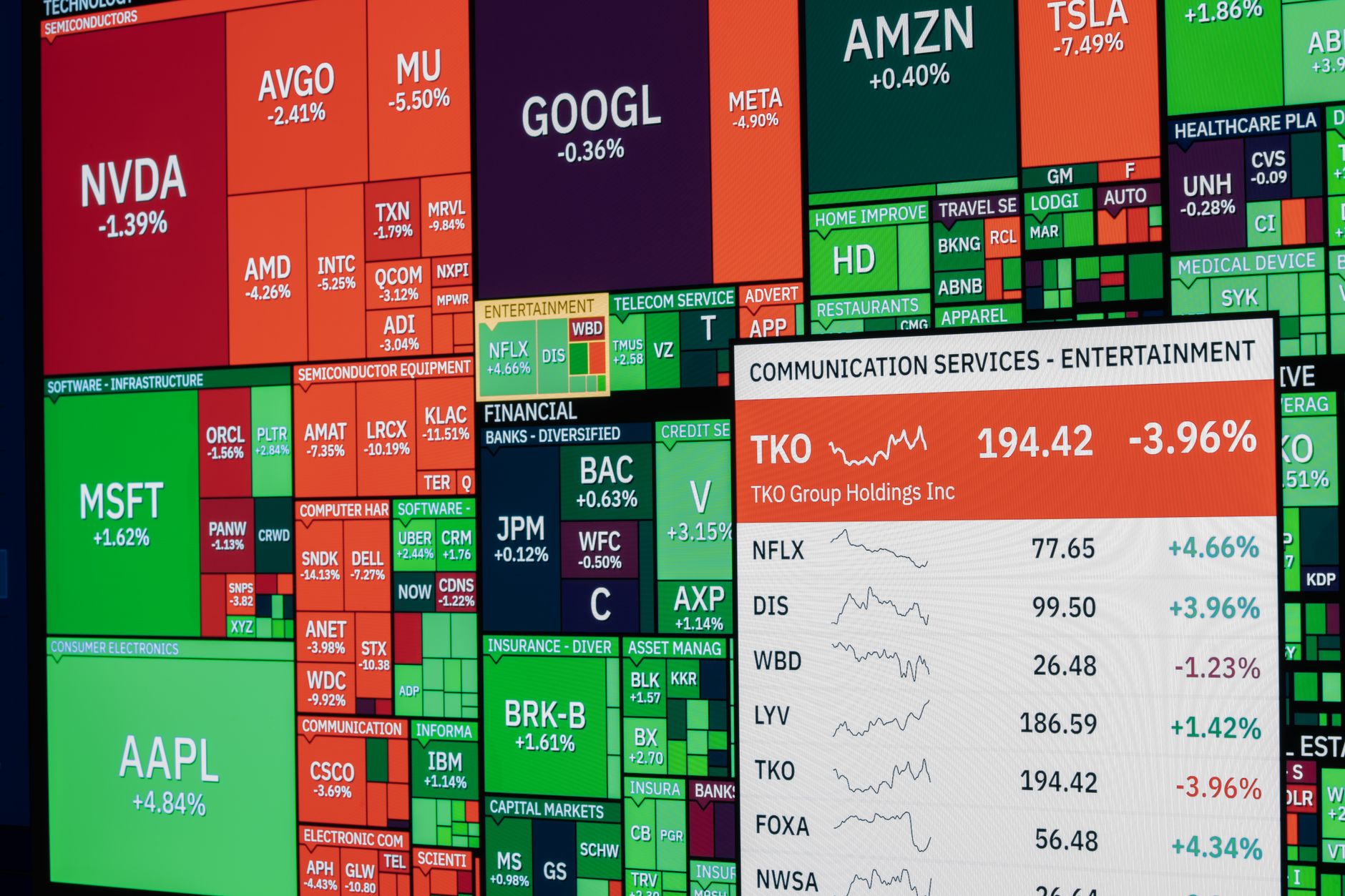
On the currency front, the U.S. dollar strengthened to 157.02 Japanese yen, up from 156.81, while the euro slipped slightly to $1.1476. In equities, Wall Street’s major indexes posted mixed results on Friday, with the S&P 500 up 0.2%, the Dow Jones Industrial Average down 0.2% and the Nasdaq Composite gaining 0.4%.
Bond markets drew attention as the yield on the U.S. 10‑year Treasury reached 5%, coinciding with the Federal Reserve’s decision last week to raise rates for the first time in three years. The Bank of Japan also moved to raise rates to a 31‑year high. Elevated government‑bond yields have been attributed to the war‑driven energy shock, rising inflationary pressure and concerns over the expanding U.S. national debt.
Investors will continue to monitor how the Trump‑Xi meeting unfolds, as any concrete outcomes on tariffs, AI regulation or geopolitical stability could shape market direction in the weeks ahead.

Helene Elliott is the Lead Science & Space Reporter at News Raise. She reports on aerospace missions, astrophysics discoveries, quantum research, and environmental technology.