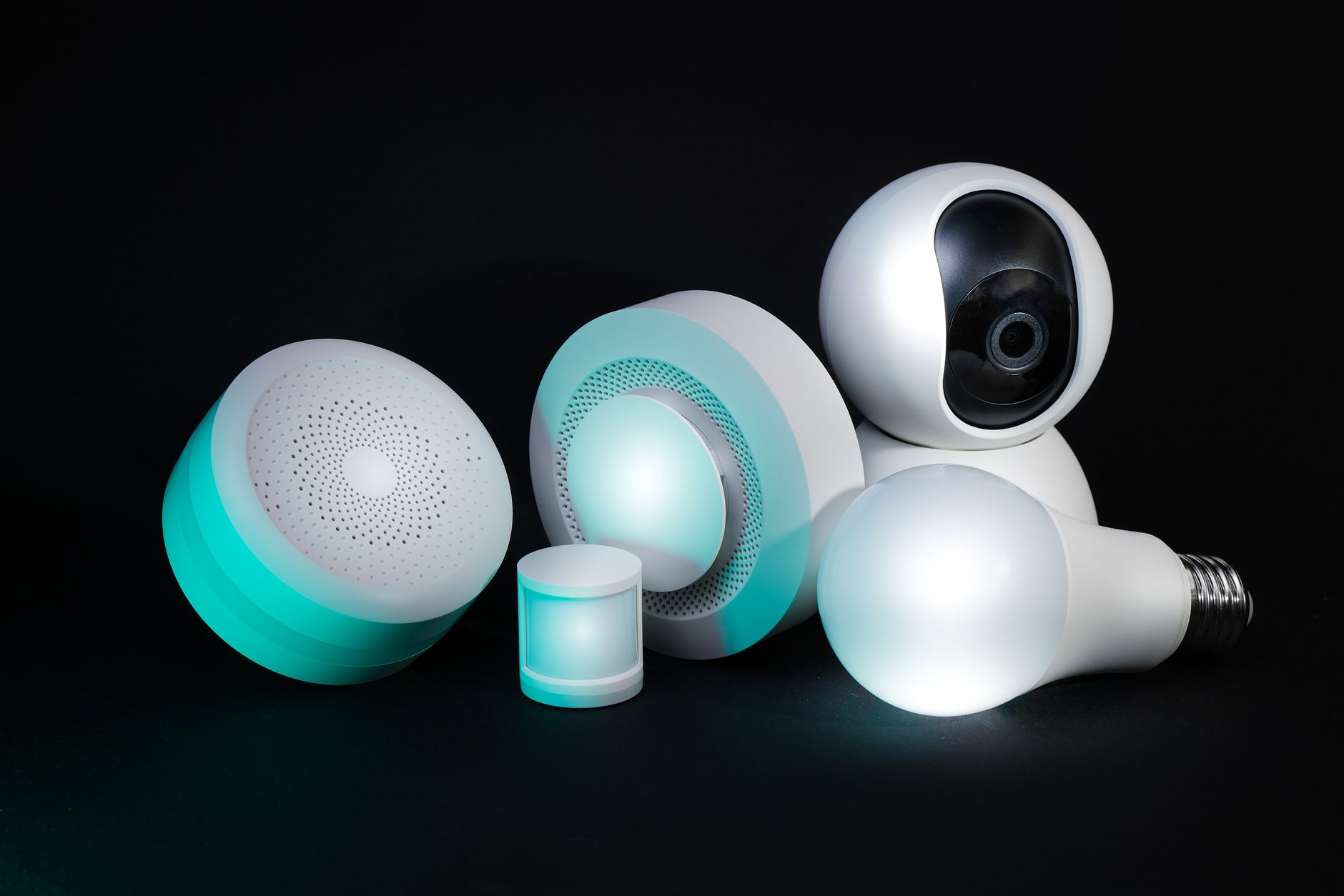
Couples in their 70s, Jyoti and Bharat Patel, have become the latest participants in a national NHS trial that places a network of sensors throughout a home to monitor dementia‑related health changes. The project, run by the UK Dementia Research Institute (UK DRI) in partnership with Imperial College London, currently involves more than 250 families across the country.
How the technology works
Every room in the Patels’ west‑London house is fitted with internet‑connected devices that relay data to a dedicated clinical team. Door sensors alert staff if a resident leaves the house during the night, while motion detectors watch for falls. Kitchen appliances carry sensors that confirm whether meals are prepared and eaten, helping clinicians gauge daily routine adherence.
The bedroom features a “smart mattress” that records sleep patterns, heart rate and breathing rate, providing early warning of infections or other health issues. In addition, Jyoti is testing wearable smart socks and a specialised watch that measure body temperature and track gait changes that may signal growing frailty.
Cost and potential benefits
Running the system costs roughly £2,000 per year per household, covering the technology and the staff required to analyse the incoming data. Sarah Daniels, health and social care lead at UK DRI, notes that this expense is comparable to only a few weeks in a residential care home, yet it could prevent costly hospital admissions by flagging problems early.
Early signals allow health‑care professionals to intervene before a situation escalates into a crisis, such as an infection or a sudden decline in mobility. Dr Jeremy Isaacs, national clinical director for dementia and older people’s mental health at NHS England, said the service will monitor the trial closely and that it builds on existing NHS programmes that support independent living.
Privacy, acceptance and future outlook
None of the devices record audio or video, a design choice intended to protect residents’ privacy. Nevertheless, some individuals may feel uneasy about the volume of data shared with clinicians. Daniels argues that richer data enables general practitioners to make more informed care decisions.
Britain faces a projected 40 % rise in dementia cases by 2040, prompting officials to explore scalable solutions. If the trial demonstrates that sensor‑driven monitoring can safely extend independence, the technology could be rolled out more widely across the NHS.
For the Patels, the system already offers peace of mind. Bharat Patel says even a modest reduction in his worries—”even if it can cut down my worries by 5 or 10 %”—is valuable, and he hopes the approach will benefit other families confronting dementia.

Steve Lopez is a Senior Editorial Columnist and Health & Public Policy reporter for News Raise. Steve focuses on healthcare advancements, medical technologies, and public health policies.