In a Sunday interview with CBS, Nvidia chief executive Jensen Huang rejected the notion that artificial intelligence could trigger a global catastrophe by 2030. Huang described such predictions as “irresponsible” and asserted there is a “0% chance” that AI will end the world within the next decade.
Industry leaders clash over safety and speed
Huang’s remarks come amid a growing chorus of warnings from AI pioneers. Anthropic founder Dario Amodei has urged a slowdown in the development of highly capable models until safety measures catch up. OpenAI CEO Sam Altman, while cautioning that regulation could hamper progress, has also highlighted the need for society to adapt to rapidly advancing capabilities. Even Elon Musk has repeatedly warned of existential risks associated with unchecked AI development.
Against this backdrop, Huang argued that the alarmist narratives are not grounded in scientific evidence. He suggested that the individuals promoting doomsday scenarios may have ulterior motives, calling the approach “irresponsible” and questioning the intent behind such warnings.
Engineering, not legislation, as the primary solution
According to Huang, concerns about AI safety are legitimate but should be addressed through engineering rather than new government rules. He emphasized that existing criminal and civil statutes already provide a framework for accountability, and that “scaring people is unnecessary.” Huang warned that pushing for additional legislation could lead to a dilution of current laws, stating, “They’re actually not asking for more laws. They’re asking to be relieved of the laws we do have.”
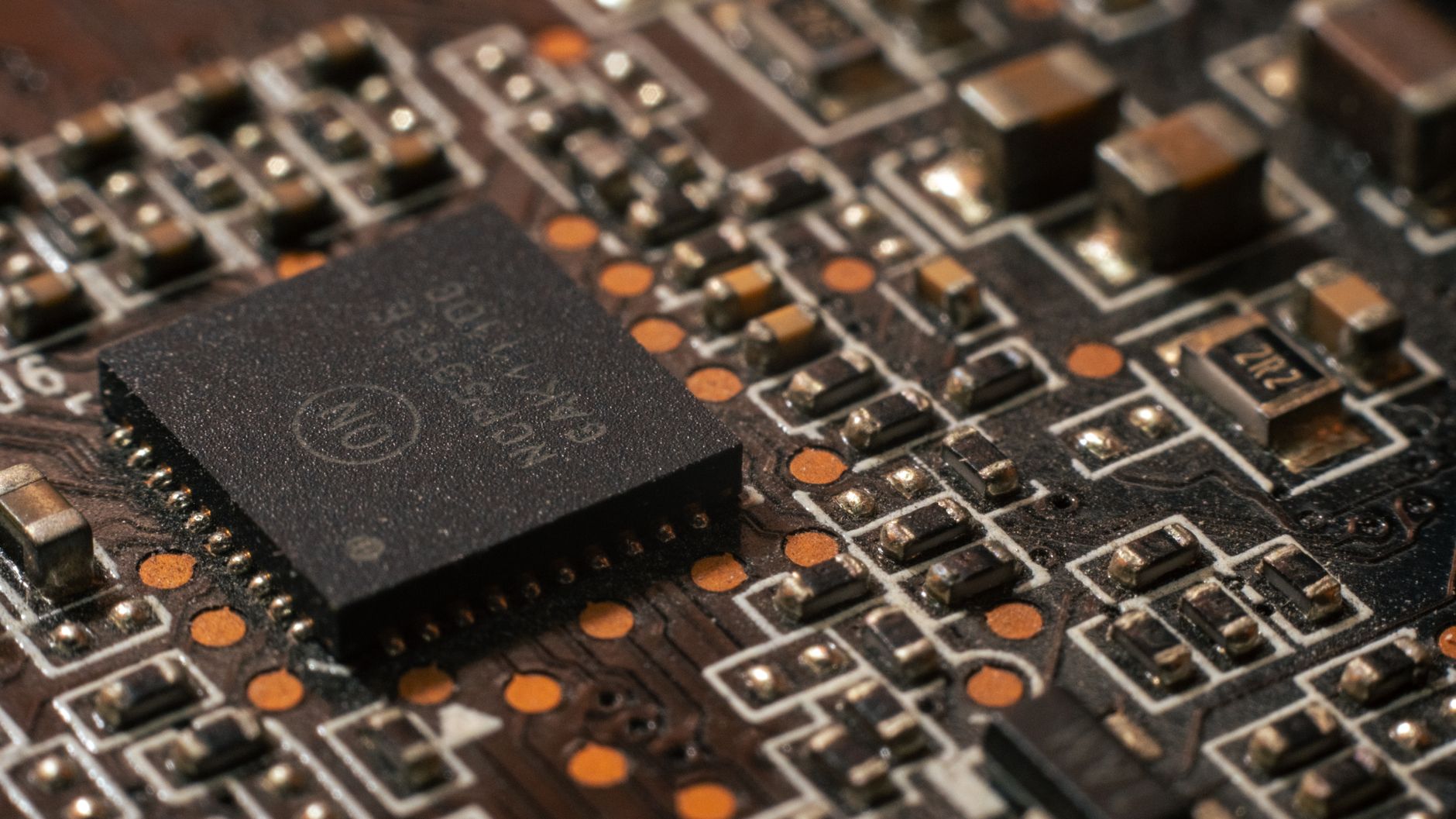
He further noted that Nvidia, as a key supplier of the chips that power most AI workloads, has seen its market value soar alongside rising AI demand, making the company the world’s most valuable public firm. While Nvidia declined to comment on the interview, its position as an infrastructure provider underscores Huang’s view that industry players, not regulators, should prioritize safety engineering.
Political context and the broader debate
The interview also touched on recent political developments. Former President Donald Trump dismissed calls for heightened AI regulation, arguing that existing laws are sufficient. Trump announced plans for an “AI Force” modeled on the Space Force and hinted at appointing an AI “czar,” though no appointments or timelines were provided. In a Truth Social post, Trump wrote, “Whoever wins AI, WINS,” and pledged to keep the United States ahead of China without stifling AI growth.
Huang’s stance aligns with his belief that AI development should proceed at a pace dictated by engineering constraints, not by speculative fear. “If we’re compromising safety, that can’t happen,” he said. “We should go as fast as we can, but not faster than we should.”
Other voices in the AI community continue to call for structured safety oversight. A public letter signed by more than 1,300 employees from leading AI firms, including Amodei, urged governments and industry leaders to create mechanisms that buy time to address emerging risks. Former researcher Jacob Coxon, who resigned from Anthropic, warned that companies are “racing straight to self‑improving superintelligence,” likening the pursuit to “gambling with our lives.”
While the debate over AI risk management intensifies, Huang’s comments highlight a divergent view that prioritizes technical solutions over regulatory expansion. The outcome of this clash could shape the trajectory of AI investment, corporate strategy, and policy making in the years ahead.

Helene Elliott is the Lead Science & Space Reporter at News Raise. She reports on aerospace missions, astrophysics discoveries, quantum research, and environmental technology.