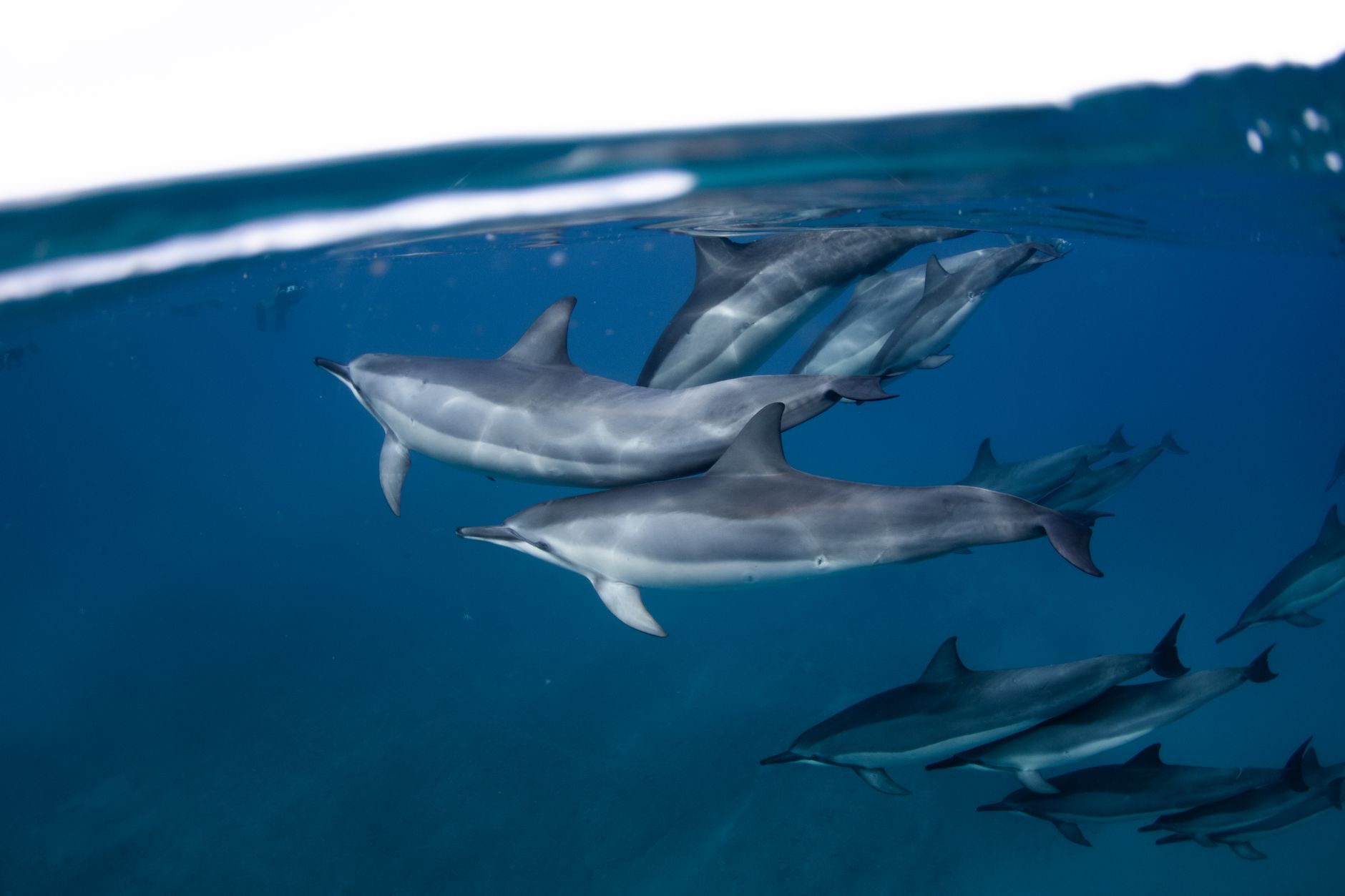
Scientists have recorded a striking example of kleptoparasitism—a behavior where one animal steals food from another—in a dolphin inhabiting Australia’s Great Barrier Reef. The animal, known locally as Bubbles, was observed using a method previously only documented in birds, forcing target fish to regurgitate their recent meals and then consuming the expelled prey.
Study details and observations
The findings appear in the peer‑reviewed journal Ecology and Evolution. Researchers documented eleven separate encounters between 2021 and 2025 in which Bubbles singled out a specific species of fish, the Bigeye Trevally (Caranx sexfasciatus). In each case, the dolphin pursued the trevally until the fish expelled its recent catch or the remnants of a meal. While the trevally continued swimming away, Bubbles retrieved and ate the material that had been disgorged.
According to the study, the dolphin emitted a series of clicks and low‑frequency sounds during the chase. The authors suggest that these acoustic signals may serve a dual purpose: they could help Bubbles locate fish that have recently fed and also function as part of the dolphin’s echolocation system. The precise role of the sounds remains a subject for further investigation.
Context within kleptoparasitic behavior
Kleptoparasitism is a well‑known strategy across the animal kingdom. Seagulls, for example, are notorious for snatching French fries from beachgoers, while bald eagles have been observed harassing ospreys to cause them to drop fish. In the marine realm, pea crabs live inside the shells of clams and oysters, stealing the host’s filtered food. The frigatebird also employs a comparable technique, stealing meals from other birds in flight.
What distinguishes Bubbles’ behavior is its occurrence in a marine mammal. The study notes that this is the first documented instance of a dolphin using forced regurgitation as a means of acquiring food. The authors acknowledge that underwater observations are inherently challenging, leaving open the possibility that other dolphins or even whales may employ similar tactics. For now, Bubbles stands as a unique case in scientific literature.
Implications and future research
The discovery expands understanding of the ecological versatility of dolphins. It demonstrates that these cetaceans can adopt opportunistic feeding strategies that go beyond the more commonly observed hunting and cooperative foraging behaviors. By targeting fish that have already captured prey, Bubbles effectively shortcuts the energy‑expensive process of hunting.
Further research will be needed to determine how widespread this behavior might be among other dolphin populations and whether it influences the dynamics of reef fish communities. The study’s authors propose that acoustic monitoring could help identify similar interactions in less accessible environments.
Overall, the documentation of Bubbles’ kleptoparasitic technique adds a new dimension to the repertoire of feeding strategies known in marine mammals, highlighting the complex and often surprising ways animals adapt to their ecosystems.

Helene Elliott is the Lead Science & Space Reporter at News Raise. She reports on aerospace missions, astrophysics discoveries, quantum research, and environmental technology.