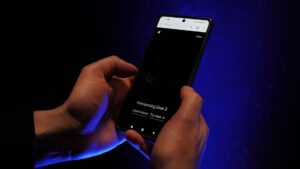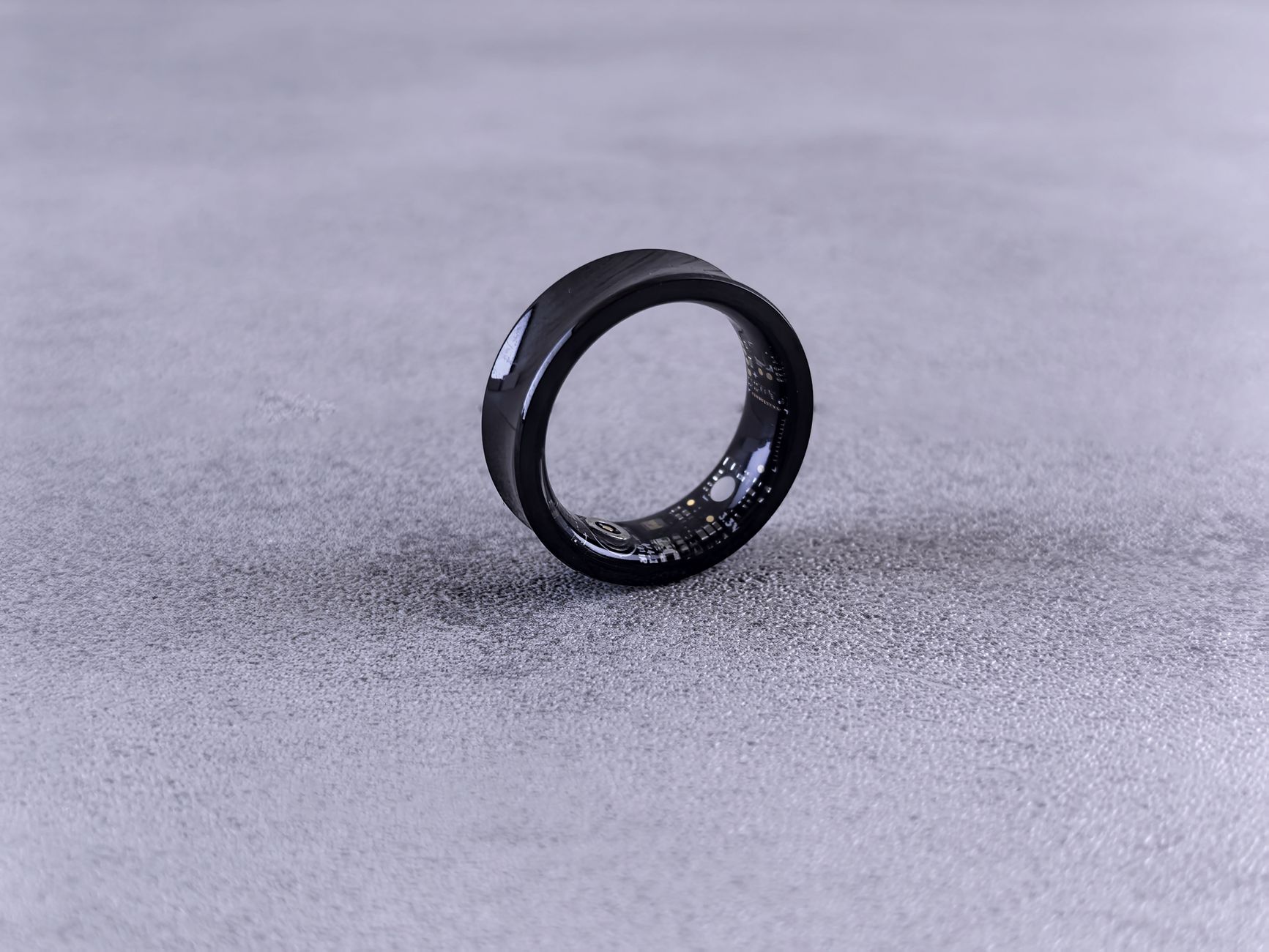
Meta unveiled its latest wearable, the Muse “charm” device, at a San Francisco event this week. The compact gadget, which fits on a keychain or bag, features a 2‑inch screen that displays a small animated avatar reminiscent of a Tamagotchi. Founder Mark Zuckerberg highlighted the product, saying, “We’ve packed a lot of technology into this little guy,” as he demonstrated its ability to hold live conversations, answer emails, arrange travel and even handle weekly grocery shopping.
Design, functionality and the shift from camera‑laden glasses
Following recent criticism of Meta’s earlier smart glasses, which were labeled “pervert” glasses for their built‑in camera, the company positioned Muse as a less intrusive alternative. Unlike the previous glasses, the new device does not place a camera on the wearer’s face. Instead, a camera could be housed in the charm that hangs around the neck, a point noted by Joshua Paul Dale, a professor at Chuo University in Tokyo and author of Irresistible: How Cuteness Wired Our Brains and Conquered the World. Dale said the relocation of the camera “shifts the agency” and reduces the perception of covert recording.
Meta describes Muse as an “individualised, customisable, and adorable AI companion” that aligns with Zuckerberg’s broader vision of personal, wearable super‑intelligence. Forecasting firm WGSN has already identified cute technology as a top trend for 2026, suggesting the device taps into a growing market appetite.
Academic perspectives on the power of cuteness
Katie Seaborn, an associate professor at the University of Cambridge who recently moved from Japan, studies the science of cute voices in computing. She explains that Muse is perceived as cute because it “basically looks like a baby” and that this cuteness is “strategic” – a way to appear weak and trustworthy amid controversy. Seaborn adds that Japan’s cultural norm of mascots across government, media and business likely informs Meta’s approach, noting that “every single thing has a mascot” in Japan.
Seaborn’s research indicates that cuteness can smooth social interactions and even create a “natural link between cuteness and deception,” which she describes as “charming and disarming”. The effect, she says, lowers people’s guard, making them less likely to scrutinize the technology. In her view, employing cuteness may be a response to growing public wariness about data collection and attention‑hijacking tactics.
Dale, while not rushing to purchase a Muse, speculated that he might want one in old age to help locate his glasses, saying, “when I’m 80 years old I’ll definitely want one of these things. I want to wear it around my neck always, and I want the camera on all the time, so it can tell me where I left my glasses.” He also highlighted the device’s role as a companion, noting that the tiny screen encourages users to anthropomorphise the avatar, treating it as human‑like despite knowing it is not.
The reception of Muse is expected to vary across generations and cultures. Younger users, particularly Gen Alpha, reportedly dismiss inauthentic AI with the phrase “That’s so AI!” while Gen Z, familiar with novelty items like the Labubu, may find the charm less jarring. Older generations might feel nostalgic, recalling earlier digital pets such as Tamagotchis and Pocky Pikachu.
Cross‑cultural studies cited by Seaborn show Americans are less prone to be deceived by cute designs compared with Japanese respondents, who often view robots as heroic babies. In the United Kingdom, focus‑group participants described a vague “gut feeling” that something was off when cuteness was used in a potentially deceptive design.
Meta plans to release Muse in December, though whether the device will achieve widespread adoption remains uncertain. The company’s gamble on cuteness as a trust‑building strategy reflects a broader shift in tech design, as firms experiment with emotional appeal to navigate privacy concerns and attention economics.

Mitchell Landsberg is a Senior Technology Correspondent at News Raise. He covers consumer electronics, artificial intelligence, software developments, and digital privacy trends.