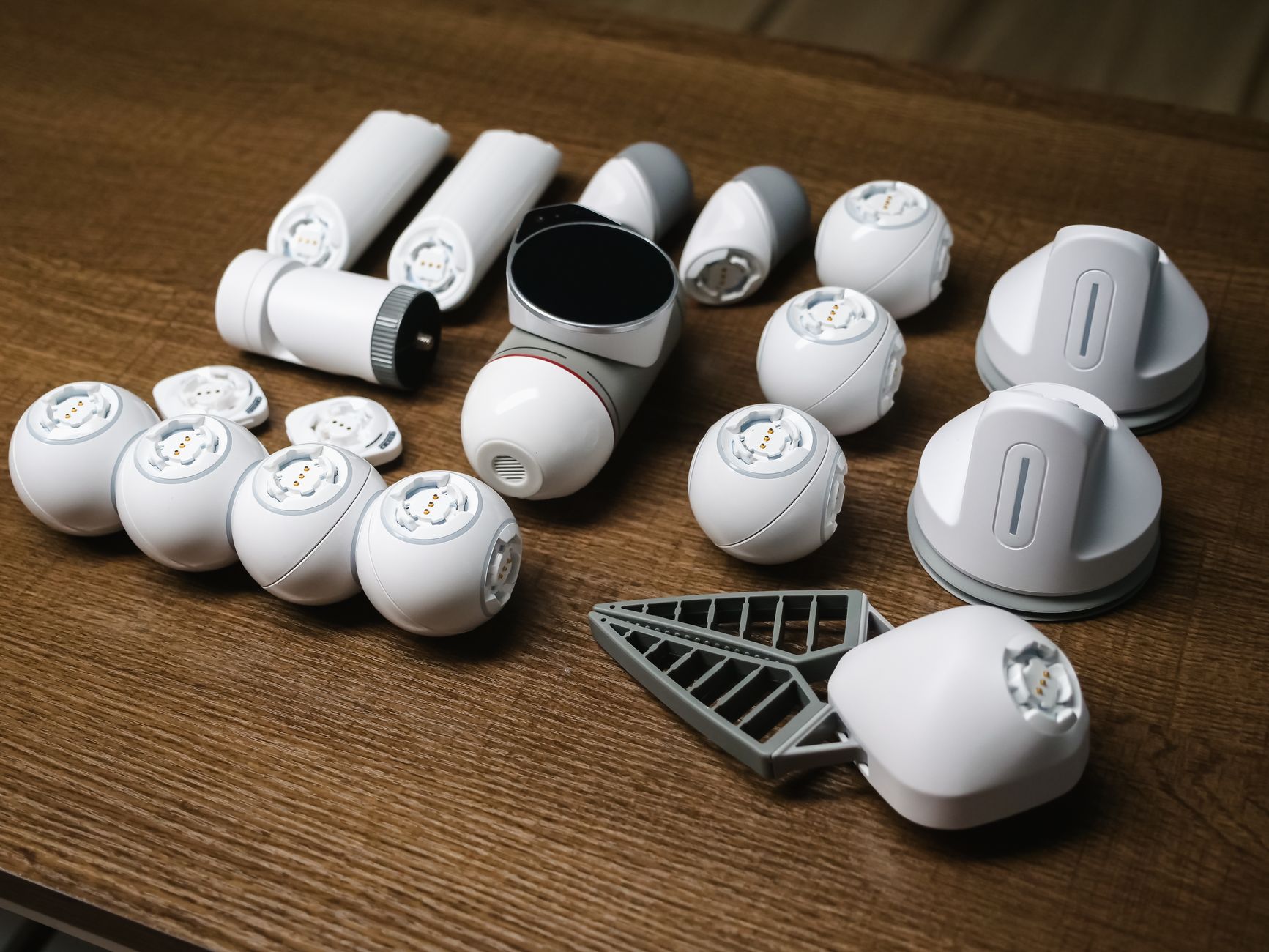
Meta announced a new open-source initiative called Muse Gadgets, aimed at developers who want to create custom hardware that interacts with the company’s personal AI agent, Muse. The move expands Muse beyond a purely software‑based chatbot, giving hobbyists, makers and small‑business technologists the ability to embed the assistant in a variety of physical devices.
Open‑source tools and project ideas
The company is providing the low‑level firmware that runs on hardware, along with a Linux software development kit (SDK) that developers can use to program their creations. To help users get started, Meta shared several example projects, such as adding a colour e‑ink display to Muse or mounting the agent on a stick that plugs into a TV’s HDMI port.
According to Meta’s documentation, there are few technical constraints on the hardware that can be paired with Muse. Users may employ inexpensive hobbyist computers like the Raspberry Pi or off‑the‑shelf ESP32 boards, then connect the AI to “your displays, buttons, sensors, actuators, and whatever else you’ve got lying on your workbench.” A dedicated Discord channel has also been set up to provide community support and troubleshooting.
First hardware prototype and business context
Meta’s own product team has already built a prototype device called Muse Home Link. Nat Friedman, head of product at Meta’s Superintelligence Labs, revealed on X that the USB‑C‑powered gadget links Muse to a home network, enabling the assistant to control smart devices such as speakers and smart TVs. The company produced 5,000 Home Link units and is giving them away for free to Muse subscribers while supplies last. Friedman’s post about the giveaway attracted nearly 30,000 views within a few hours, suggesting the freebies were quickly claimed. He indicated that the Home Link would be ready to ship in a few weeks.
While Muse Gadgets may appeal primarily to hobbyists, Meta views the program as part of a broader strategy to position Muse as more than a standalone chatbot. Earlier in the week the firm introduced Muse for Small Business, a free‑tier service with usage limits that integrates Muse with platforms such as Shopify, Dropbox and Slack. At the same time, Meta launched a new business unit, Meta Enterprise Platform, to market its AI offerings to corporate customers.
By opening the hardware layer, Meta hopes to attract developers who can experiment with novel use cases and, in turn, create additional demand for its AI services across consumer, small‑business and enterprise segments. The open-source nature of the project also signals a willingness to collaborate with the broader maker community, potentially accelerating the creation of niche applications that Meta’s internal teams might not prioritize.

Norman Pearlstine is the Executive Editor and Co-Founder at News Raise. With over two decades of experience across financial journalism, corporate governance, and market analysis, Norman leads the editorial direction and ensures strict adherence to journalistic accuracy and ethics.