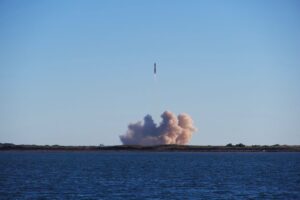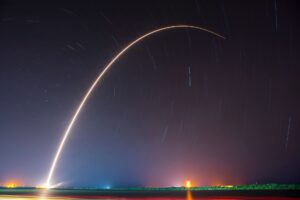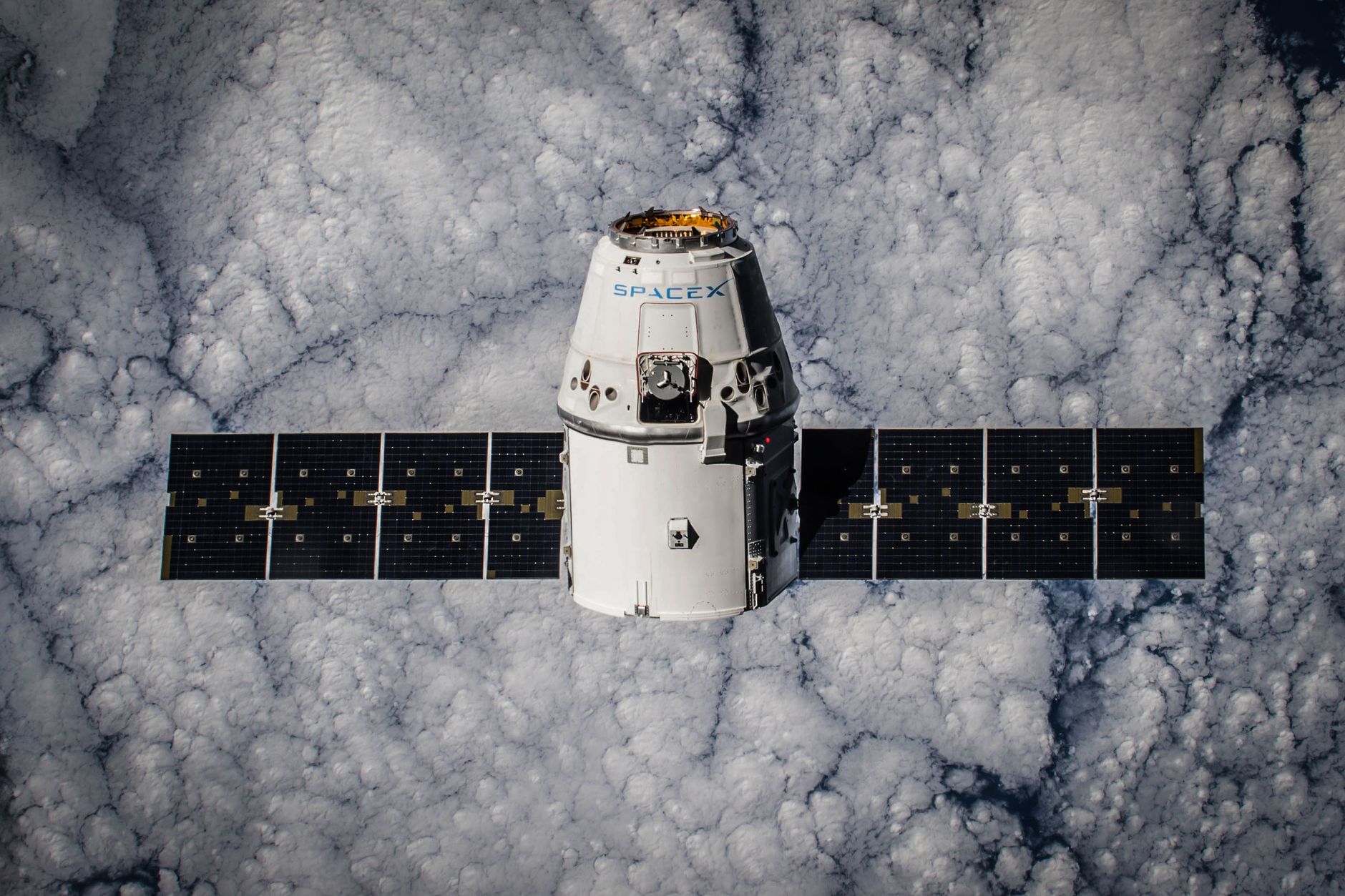
SpaceX launched its thirteenth crewed mission for NASA on Thursday, delivering four astronauts to the International Space Station (ISS) in an eight‑hour transit that set a new United States speed record for reaching the orbiting laboratory. The rapid flight followed a delayed liftoff from Cape Canaveral Space Force Station after a three‑week pause to repair a leaking fuel system on the Dragon capsule.
Crew composition and historic firsts
The mission, designated Crew‑13, was commanded by NASA astronaut Jessica Watkins, who became the first Black woman to lead a crew to orbit. Watkins, a geologist who previously contributed to the Mars rover Curiosity program, is on her second ISS flight, having completed a long‑duration stay in 2022. Joining her were NASA’s Luke Delaney, a retired Marine; Canada’s Joshua Kutryk, a colonel in the Royal Canadian Air Force; and Russia’s Sergey Teteryatnikov, a former submariner.
All four will remain aboard the ISS for approximately six months, replacing a quartet that has been living on the station since February. Kutryk will be the fourth man to become a father while orbiting Earth; his wife Heather is expected to give birth to their third child in late November. NASA manager Dana Weigel said the agency will keep Kutryk closely informed of family developments during the mission.
Launch details and symbolic touches
The launch, originally scheduled for earlier in the week, faced potential cancellation due to thick morning clouds, but the weather cleared sufficiently for a safe ascent. After liftoff, Watkins radioed, “Thanks for an amazing ride,” and later reflected that the crew felt “four of the luckiest humans on or off planet Earth.” The crew’s mission patch pays homage to Apollo 13, and the number 13 featured prominently throughout the flight. The astronauts rode to the launch pad in black Teslas bearing “Lucky 13” plates, and they carried a crocheted golden dragon named Lucky, adorned with a four‑leaf clover, as a personal good‑luck charm.
SpaceX’s Crew‑13 marks the thirteenth crew launch for NASA, not counting the 2020 uncrewed test flight. The eight‑hour transit time is the quickest ever for any American entity, including NASA’s own launches, a speed advantage attributed to the ISS’s favorable orbital position at launch.
Other launches and broader context
Three hours after Crew‑13’s liftoff, SpaceX launched a Falcon 9 rocket from California carrying more than 100 miniature satellites. Later Thursday night, another Falcon lifted off from Florida carrying a classified payload for the National Reconnaissance Office. These missions occurred in the same week that SpaceX’s massive Starship vehicle achieved its first orbital flight, underscoring the company’s heightened launch cadence.
The mission also recalls earlier moments when astronauts stayed connected to family events from orbit. In 2004, NASA facilitated a radio link between ISS astronaut Mike Fincke and his wife’s delivery room; five years later, astronaut Randy Bresnik dialed into his wife’s hospital from orbit during the Artemis III commander’s preparation. An earlier anecdote from 1991 notes that Austrian astronaut Franz Viehböck learned of his daughter’s birth only after returning from the Mir space station.
With Crew‑13 now docked at the ISS, SpaceX and its partners have demonstrated both rapid transit capabilities and a continued commitment to international crew composition, while personal stories aboard the station remind the public of the human dimension of spaceflight.

Norman Pearlstine is the Executive Editor and Co-Founder at News Raise. With over two decades of experience across financial journalism, corporate governance, and market analysis, Norman leads the editorial direction and ensures strict adherence to journalistic accuracy and ethics.