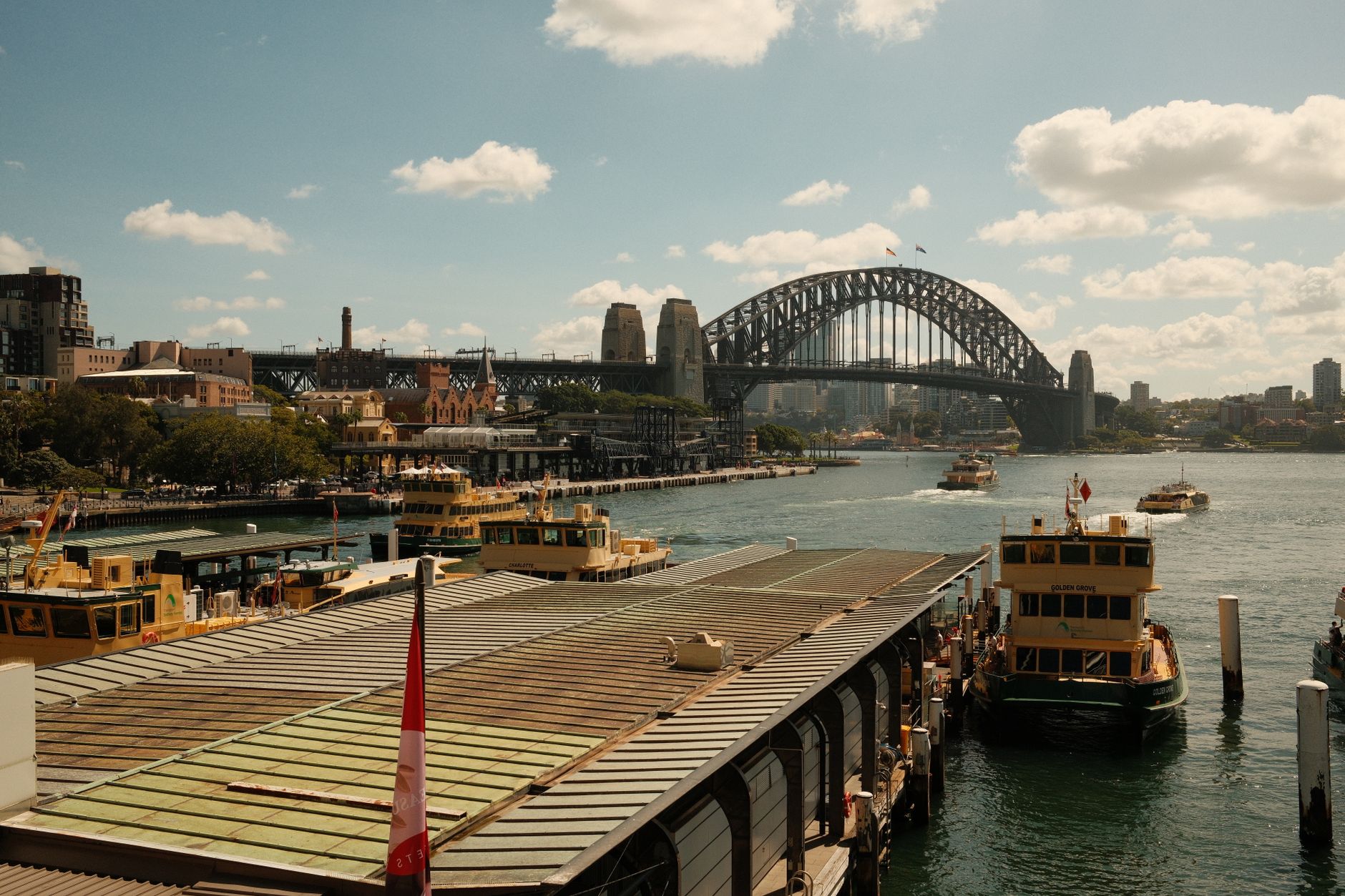
Washington Governor Bob Ferguson called on the state ferry system to have all vessels back in operation by Tuesday morning after a sudden “sickout” by marine engineers left the majority of the fleet idle on Monday.
On Monday, the Washington State Ferries (WSF) reported that 23 engine‑room employees called in sick, prompting the agency to label the event a “massive sickout.” The shortage forced the agency to pull 13 of its 18 operating vessels from service. By the afternoon, limited service had resumed on some routes, but the travel bulletin still listed Seattle‑Bainbridge, Edmonds‑Kingston and Fauntleroy‑Vashon‑Southworth as out of service because of crew gaps. The Mukilteo‑Clinton and Seattle‑Bremerton routes each ran with a single vessel, and WSF warned drivers departing Mukilteo to expect roughly a two‑hour wait.
Union Response and Overtime Concerns
MEBA Secretary‑Treasurer Roland “Rex” Rexha, who met with Governor Ferguson on Monday, told KOMO News that the union had not organized any job action. “The union didn’t take any action today,” Rexha said, emphasizing that the disruption was not a coordinated effort.
Rexha highlighted a longstanding reliance on overtime to cover chronic staffing shortfalls, noting that one member logged more than 1,800 overtime hours in the past year and that union members collectively recorded over 100,000 overtime hours to keep the ferries running. He argued that a single employee’s absence should not cripple a system that serves thousands daily.
Governor’s Expectations and Ongoing Negotiations
During the meeting, Governor Ferguson expressed frustration with the impact on riders, stating, “Causing significant harm and inconvenience to the people of Washington state is not the way to address those issues.” He said he was direct with MEBA leadership, setting the expectation that “every vessel on every route is fully operational no later than the first vessel sailing tomorrow morning.”
Rexha echoed the desire for full service but stopped short of guaranteeing it. “We want the vessels to run,” he said. “We want them to run on time. We want them to run safely.” When asked whether all routes would be running Tuesday, he replied, “I hope so, and I plan on it.”
Compensation Dispute and Qualification Issues
WSF’s social‑media posts on Monday highlighted the compensation of chief engineers, noting a base salary of $157,000 and the potential to earn more than $350,000 annually with overtime, plus sick leave, vacation and retirement benefits. Rexha described the messaging as “passive aggressive,” arguing that it omitted the extensive qualifications required for chief engineers, who typically spend 15 years advancing to the role and must hold U.S. Coast Guard licenses.
Rexha also accused ferry management of failing to complete a prevailing‑wage survey required by state law, contending that comparable mariners earn higher wages elsewhere in the industry. He stressed a collaborative approach, saying, “We want to be partners on this. We want to find a solution… our goal is to make sure the ferries run on time and safely.”
The agency reminded riders that ferries cannot operate without the required engine‑room positions filled and encouraged passengers to check online travel alerts and real‑time maps before heading to a terminal.

Norman Pearlstine is the Executive Editor and Co-Founder at News Raise. With over two decades of experience across financial journalism, corporate governance, and market analysis, Norman leads the editorial direction and ensures strict adherence to journalistic accuracy and ethics.