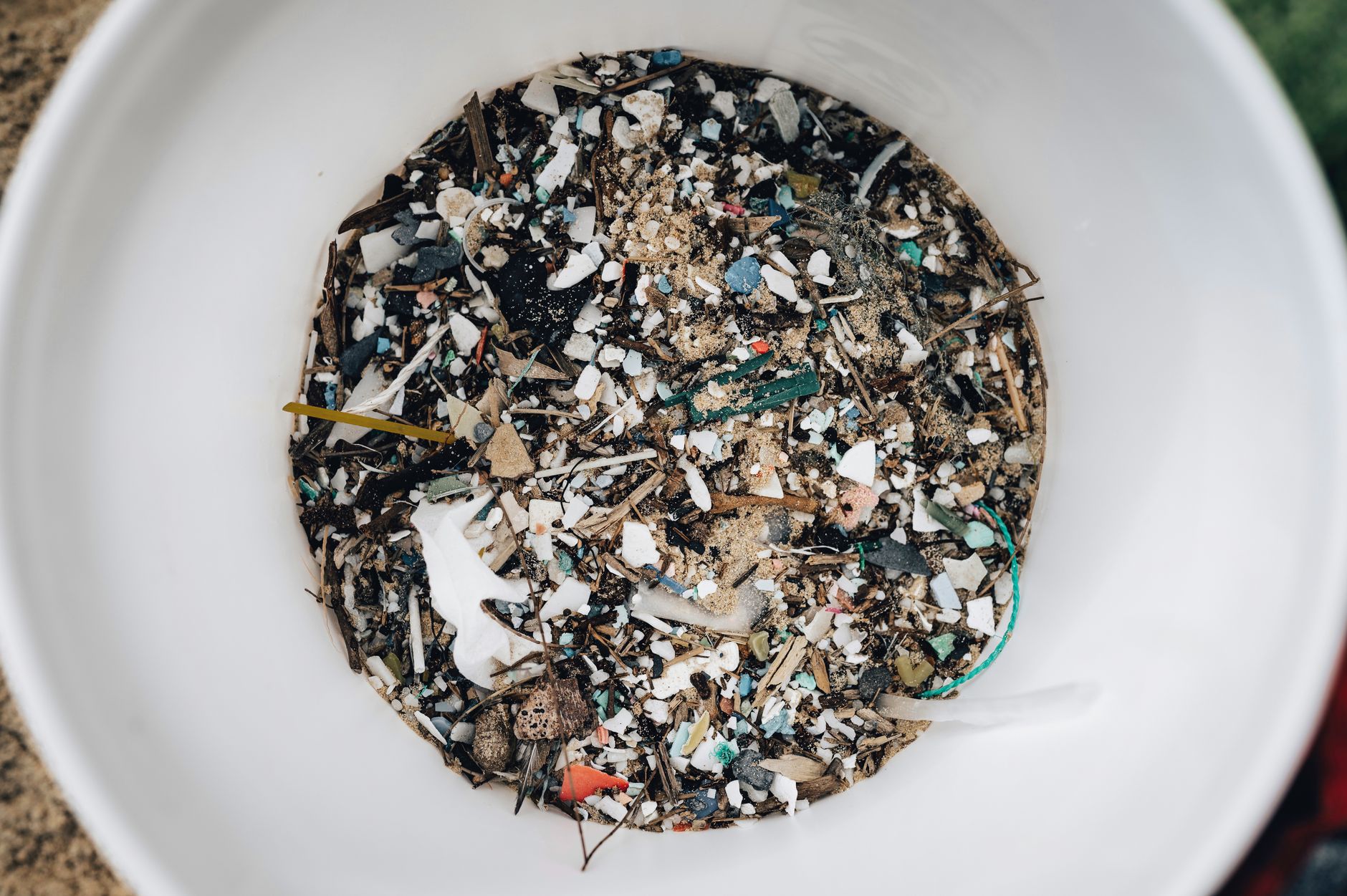
Researchers at Texas A&M University’s College of Veterinary Medicine and Biomedical Sciences have identified a previously unrecognized link between polyethylene microplastics and fatty liver disease. The findings, published in Science Advances, suggest that exposure to this widely used plastic can promote liver fat accumulation, and that the effect intensifies when paired with a diet high in fat, fructose and cholesterol.
Polyethylene microplastics and liver health
Polyethylene, which makes up roughly one‑third of global plastic production, is found in everyday items such as food wrappers, storage containers, packaging and the liners of beverage cups. Historically, scientists regarded the polymer as relatively biologically inert, focusing research on other, more reactive microplastics. Dr. Adi Joshi, an associate professor in the Department of Veterinary Physiology and Pharmacology, noted that “no studies have really looked into polyethylene’s effect on liver health, and it’s the most widely produced plastic.”
In laboratory experiments, the Texas A&M team exposed animals to polyethylene particles and observed increased markers of fatty liver disease even without dietary manipulation. When the same exposure was combined with a Western‑style diet rich in burgers, sodas, fat, fructose and cholesterol, the signs of liver damage were markedly more severe. The American Liver Foundation estimates that fatty liver disease affects about 25 % of people worldwide, making the potential contribution of an omnipresent plastic a significant public‑health concern.
Joshi warned that individuals consuming a typical Western diet may have a higher likelihood of progressing to fatty liver disease if they are also exposed to polyethylene microplastics. The study therefore highlights a possible synergistic effect between environmental pollutants and dietary risk factors.
Molecular pathways revealed by spatial transcriptomics
To pinpoint how polyethylene influences liver cells, the researchers collaborated with scientists at the University of Oklahoma and employed spatial transcriptomics, a technique that maps gene activity while preserving the spatial context of tissue. This approach allowed the team to locate specific regions of hepatic injury linked to microplastic exposure.
The analysis identified activation of the protein PPAR‑alpha, a regulator of fat metabolism in the liver. Activation of this pathway suggests that polyethylene may disrupt normal lipid processing. Additionally, the gene ANXA2, associated with tissue repair, showed altered activity, indicating that the plastic may interfere with the liver’s ability to heal itself.
“This is the pioneering study showing that polyethylene can contribute to fatty liver disease and the use of spatial transcriptomics has determined exactly where the damage has happened within the liver,” Joshi said. He added that the findings open avenues for future research, including whether targeting the PPAR‑alpha pathway could mitigate microplastic‑related injury and whether polyethylene exposure might also drive more advanced conditions such as fibrosis.
While the experimental results are compelling, the authors acknowledge that additional work is needed to translate these observations to everyday human exposure levels. The study adds to a growing body of literature raising concerns about the health impacts of microplastics, urging scientists to examine environmental contaminants alongside traditional risk factors like diet.
As research progresses, understanding the interaction between common pollutants and metabolic processes could uncover previously hidden contributors to chronic diseases, potentially informing new preventive strategies and therapeutic targets.

Norman Pearlstine is the Executive Editor and Co-Founder at News Raise. With over two decades of experience across financial journalism, corporate governance, and market analysis, Norman leads the editorial direction and ensures strict adherence to journalistic accuracy and ethics.