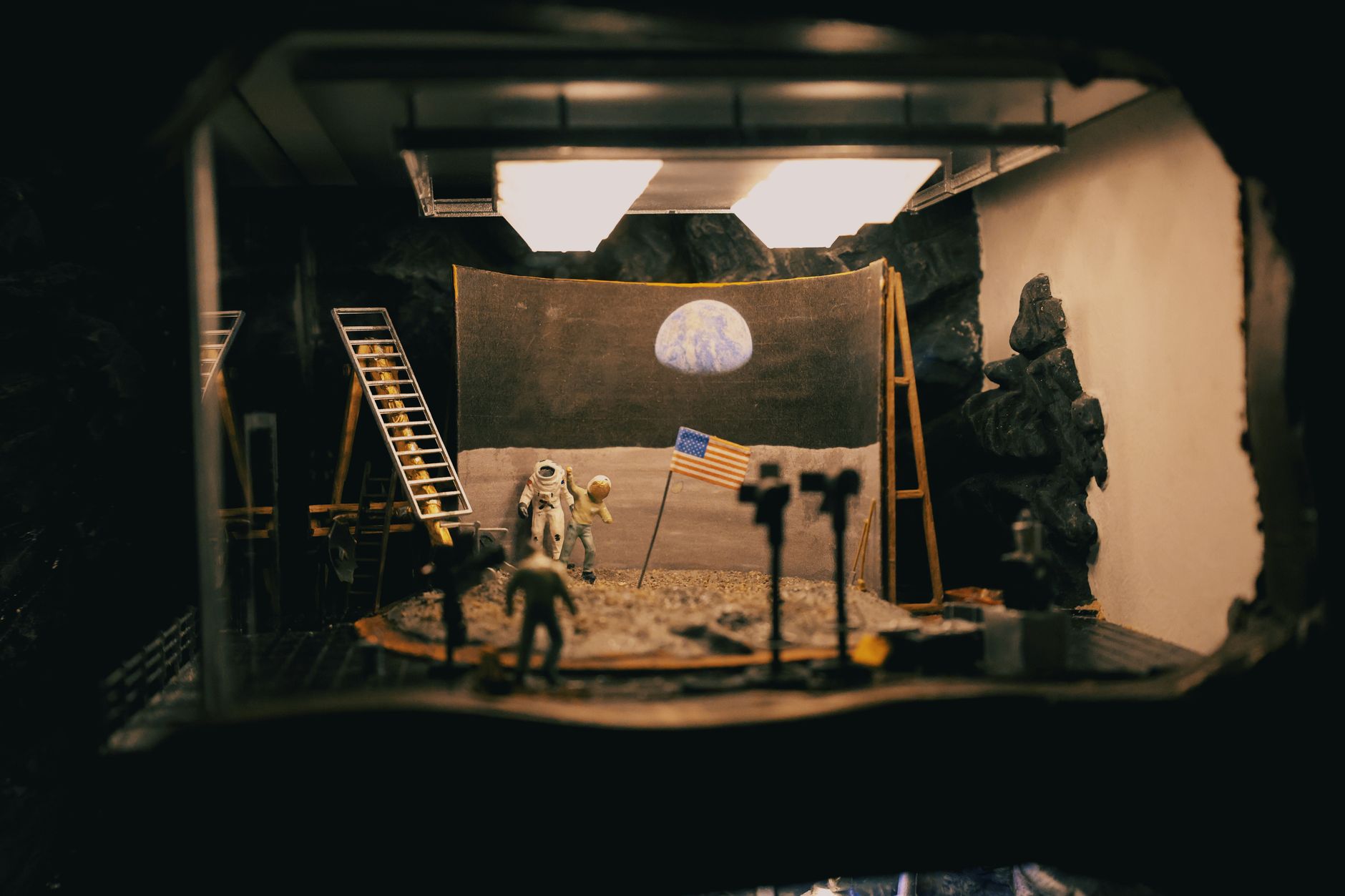
NASA has placed a massive collection of Artemis II mission data on a public website titled “Artemis II: Sights & Sounds of Science.” The archive exceeds 800 gigabytes and contains more than 11,000 photographs and video clips, as well as over 8.5 hours of recorded audio. The material is presented alongside crew‑annotated images that highlight specific observations made during the flight, such as the location where the astronauts reported seeing impact flashes on the Moon’s far side.
Content of the Archive
The newly released repository offers a comprehensive visual and auditory record of the mission. Among the assets are raw video segments captured by the crew, high‑resolution stills of Earth, the Moon and spacecraft operations, and audio logs that document conversations between the astronauts and mission control in Houston. One notable video shows the Artemis II crew describing to ground personnel the detection of impact flashes—brief bursts of light caused by meteoroid collisions on the lunar surface.
Impact flashes have been observed in previous missions, but the Artemis II crew’s report suggests these may have been among the faintest flashes ever seen directly by the human eye. The excitement of the astronauts is evident in the clip, underscoring the scientific interest in such phenomena.
Supplementary Documentation
Alongside the multimedia dump, NASA released three supporting documents to aid researchers and the public in interpreting the data. The first, the Artemis II Preliminary Lunar Science Report, outlines the mission’s scientific objectives and initial findings. The second, the Artemis II Lunar Science Operations Report, details the operational procedures and observations made during the lunar flyby. The third, the Artemis II Lunar Science Data User Guide, provides instructions for accessing and using the archived datasets.
These documents collectively aim to facilitate broader scientific analysis of the mission’s observations, ranging from lunar surface interactions to spacecraft performance in deep‑space environments.
Significance for the Scientific Community
The release marks an unprecedented level of transparency for a crewed lunar mission. By making raw data and unfiltered media publicly accessible, NASA enables independent researchers, educators and enthusiasts to explore the mission in detail. The extensive image library, combined with annotated highlights from the crew, offers a rare inside look at the operational realities of a lunar flyby.
Furthermore, the inclusion of audio recordings provides context for the decision‑making processes and real‑time problem solving that occurred during the flight. The documentation of impact flashes, in particular, may inform future studies on meteoroid environments around the Moon, a factor that is critical for the safety of upcoming Artemis landings.
Overall, the 800 GB data release expands the scientific return of Artemis II beyond its primary mission goals, creating a lasting resource for the next generation of lunar exploration research.

Norman Pearlstine is the Executive Editor and Co-Founder at News Raise. With over two decades of experience across financial journalism, corporate governance, and market analysis, Norman leads the editorial direction and ensures strict adherence to journalistic accuracy and ethics.