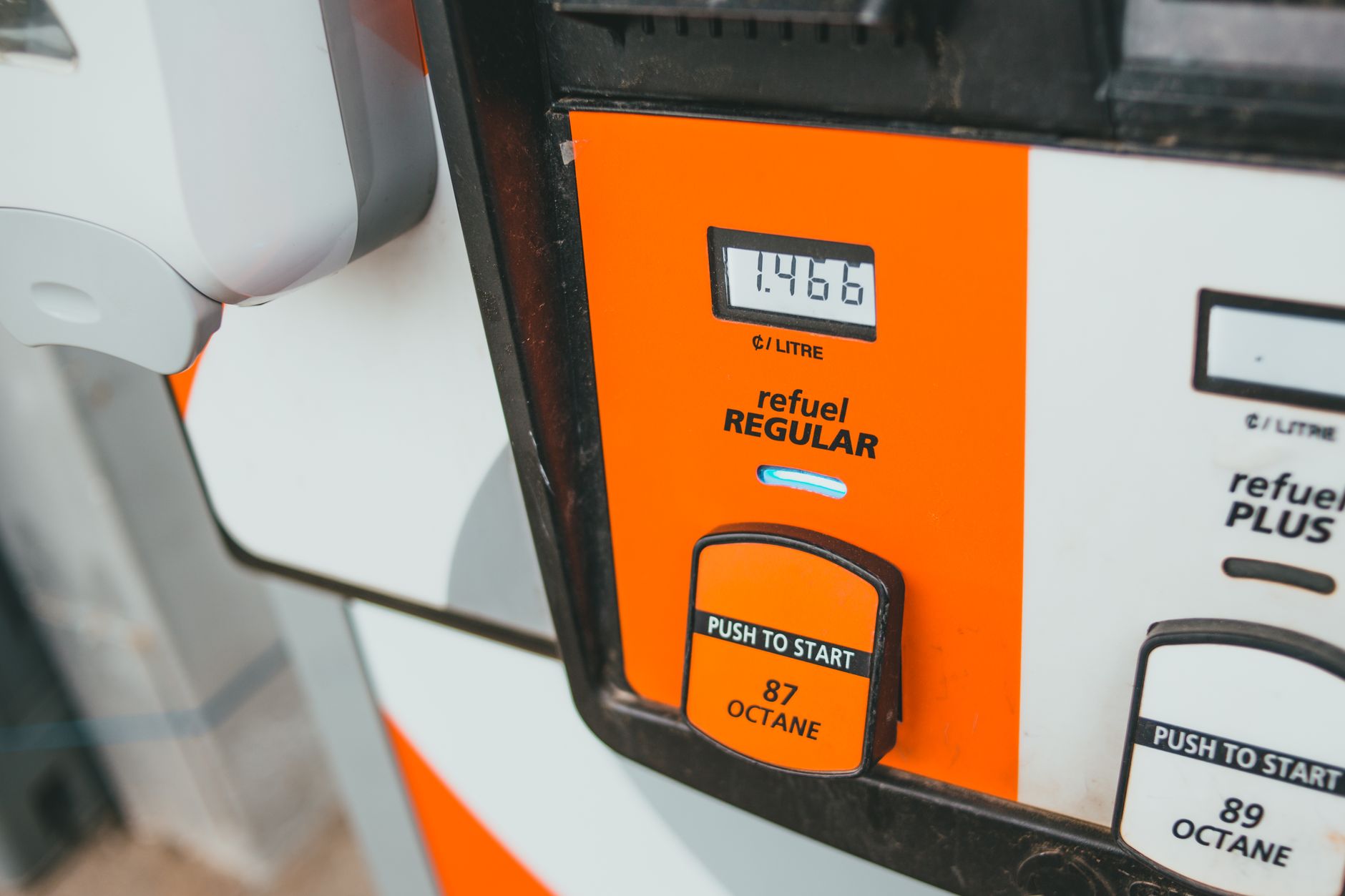
President Donald Trump has repeatedly told voters that gasoline prices will soon fall, framing the issue as a top priority in the run‑up to the November midterm elections. In speeches and social‑media posts, he promised a return to the sub‑$2‑a‑gallon levels he recalled seeing in Iowa before the United States and Israel launched surprise strikes on Iran in February. “We’ll be down to those levels soon,” he said during a recent White House appearance.
Rising Pump Prices and Diesel Pressures
Despite the optimism, data released by the American Automobile Association (AAA) on Sunday shows the average price of regular gasoline at $4.36 per gallon, up from $3.09 at the same time last year. Diesel, a critical fuel for trucks, trains, ships and farm equipment, has also surged, reaching $6.28 per gallon earlier this month. The persistence of high diesel costs is especially concerning because it lifts transportation expenses across the economy, keeping inflationary pressures alive even if crude oil prices ease.
Oil Market Dynamics Amid Global Tensions
Early Monday, Brent crude, the international benchmark, slipped about 2% to roughly $103 a barrel. While this price is more than 40% higher than it was at the start of the Iran conflict, it sits slightly below the level recorded a month earlier, after crude briefly topped $100 a barrel in early September. The modest decline in crude has not translated into lower diesel prices, which remain elevated due to refinery bottlenecks and ongoing attacks on energy infrastructure in the Middle East and Russia.
In the Strait of Hormuz, oil shipments have slowed as Iran asserts control over the crucial waterway; a recent incident saw an oil tanker strike a mine and catch fire. Parallel conflicts involve Iranian‑backed Houthi rebels in Yemen, which have expanded control along the Red Sea coast and the Bab el‑Mandeb Strait, another key route for Saudi oil exports. The rebels have also targeted Saudi oil infrastructure, including a major pipeline in southeastern Iraq that was temporarily shut down last month.
Political Maneuvers and Their Limits
In an attempt to influence fuel markets, Trump suspended fuel export sanctions on Russia this week, hoping to increase diesel supplies and lower prices. The move drew eyebrows from both allies and adversaries, and within hours Ukraine struck a Russian oil depot. On Sunday, Trump announced an “ENERGY CEASEFIRE” between Russia and Ukraine via his Truth Social platform. Ukrainian President Volodymyr Zelenskyy responded on X, saying he supports a ceasefire but that the announcement was new to him, and he noted a Russian drone attack on a Kyiv power plant the same day.
The combination of high diesel costs, supply constraints and expanding regional conflicts creates a challenging backdrop for any effort to bring down gasoline prices before the November elections. Analysts note that even if crude prices stabilize, the ongoing strain on diesel and the broader logistics network could keep pump prices elevated, limiting the political impact of promises to lower fuel costs.
Given the current trajectory of oil markets and the intensifying geopolitical disputes—from the U.S.–Israel strikes on Iran to Houthi attacks on Saudi facilities and the recent incident at King Khalid International Airport that killed 12 people and injured more than 300—the prospect of a significant price drop before voters head to the polls appears increasingly remote.

Helene Elliott is the Lead Science & Space Reporter at News Raise. She reports on aerospace missions, astrophysics discoveries, quantum research, and environmental technology.