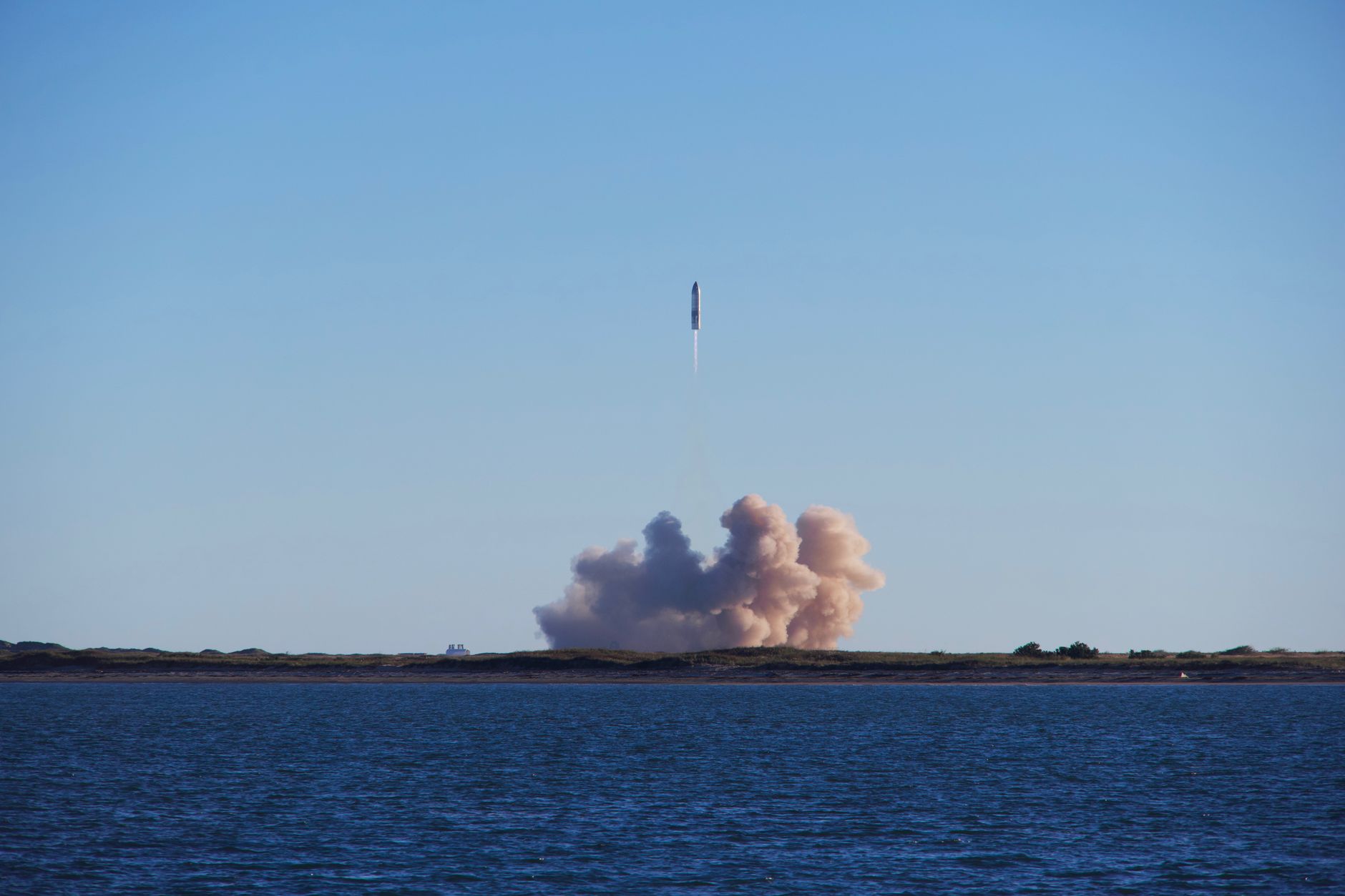
SpaceX is set to send its next cargo shipment to the International Space Station on Tuesday morning, Oct. 13. A Falcon 9 launch vehicle will propel a Dragon spacecraft from Cape Canaveral Space Force Station in Florida at 6:33 a.m. EDT (10:33 GMT). The flight marks the 35th Commercial Resupply Services (CRS) mission that the company has flown for NASA, designated CRS‑35, and will transport roughly 6,300 pounds (2,860 kg) of hardware, provisions and research equipment.
Mission timeline
A live video feed of the launch will be streamed by NASA on Space.com beginning at 6:15 a.m. EDT (10:15 GMT). Assuming the launch proceeds without incident, the Dragon capsule is expected to rendezvous with the orbiting laboratory two days later, on Thursday, Oct. 15. The spacecraft will perform an autonomous docking to the space‑facing port of the Harmony module at about 11:00 a.m. EDT (15:00 GMT). Space.com will also host a live coverage of the docking, with the broadcast starting at 9:15 a.m. EDT (13:15 GMT).
Scientific payload
The CRS‑35 cargo manifest includes the final set of International Space Station Roll‑Out Solar Arrays (iROSAs), which are slated to increase the station’s power generation capacity. In addition to the solar hardware, the mission carries a suite of scientific experiments. NASA’s launch preview notes that Dragon will transport hardware for producing artificial retinas in microgravity, a technology aimed at restoring vision for patients on Earth. The flight also contains three‑dimensional heart‑tissue models intended to support large‑scale drug testing on future deep‑space missions.
Further research payloads involve materials science and neurobiology. The capsule will deliver substances to investigate how a new type of glass forms in the weightless environment, and it will carry brain organoids that could help identify therapeutic targets for neurodegenerative conditions such as Alzheimer’s disease, Parkinson’s disease and multiple sclerosis.
Return and cargo capabilities
After approximately a month attached to the ISS, Dragon will detach and begin its return journey to Earth. The spacecraft is designed to survive re‑entry and will splash down under parachutes in the Pacific Ocean off the California coast, where recovery teams will retrieve it. Dragon remains the only currently operational ISS freighter capable of returning cargo to the ground. Competing vehicles—including Russia’s Progress, Japan’s HTV‑X and Northrop Grumman’s Cygnus XL—are all expendable and burn up in the atmosphere after completing their missions.
The successful delivery of supplies, power‑generation equipment and a broad array of experiments on CRS‑35 underscores the ongoing partnership between SpaceX and NASA, and it demonstrates the versatility of the Dragon capsule as both a delivery and a retrieval platform for low‑Earth‑orbit research.

Norman Pearlstine is the Executive Editor and Co-Founder at News Raise. With over two decades of experience across financial journalism, corporate governance, and market analysis, Norman leads the editorial direction and ensures strict adherence to journalistic accuracy and ethics.