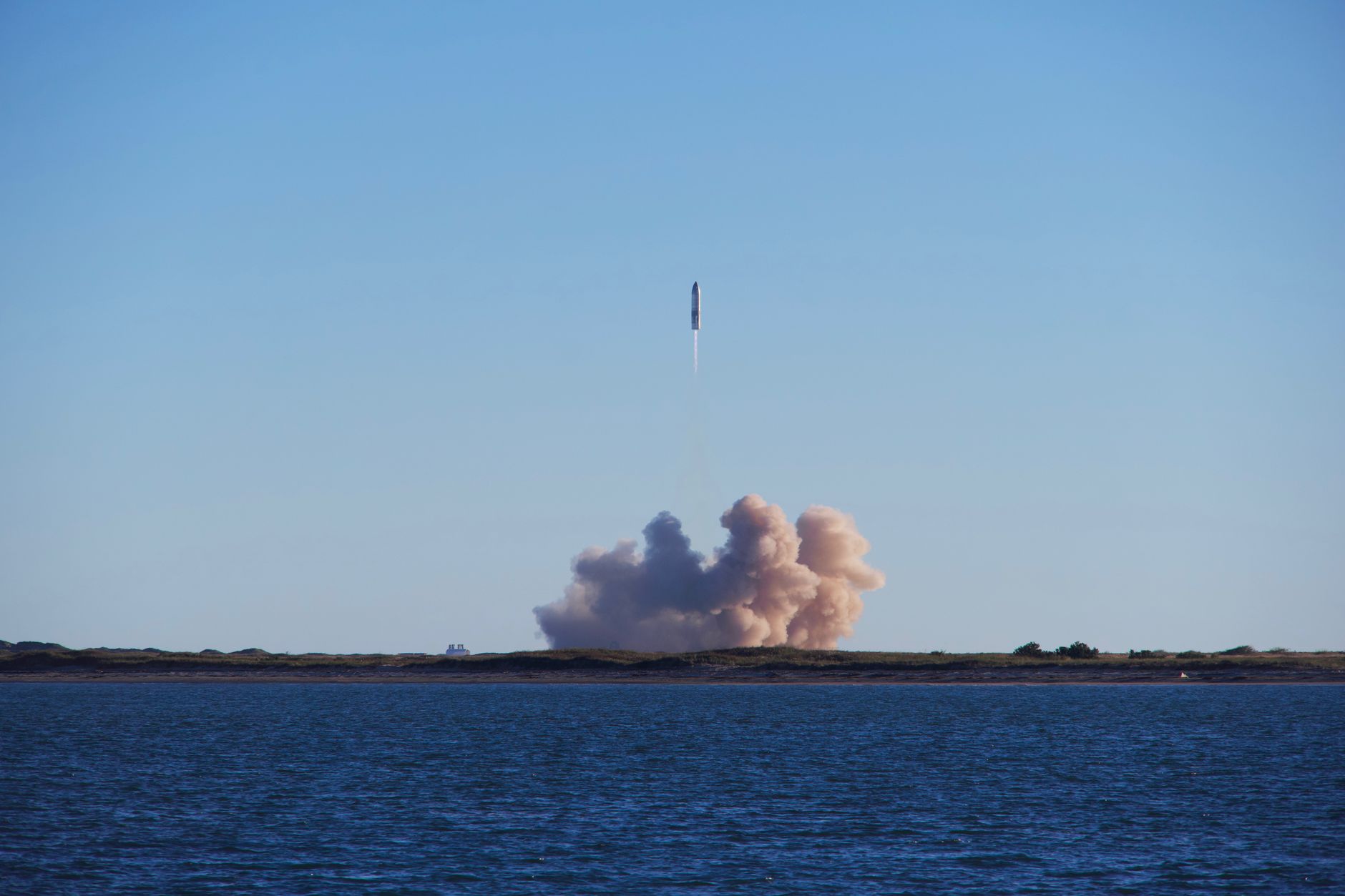
On the morning of October 13, SpaceX lifted off its Falcon 9 rocket from Space Launch Complex 40 at Cape Canaveral Space Force Station, initiating the CRS-35 resupply mission for NASA. The launch, timed for 6:35 a.m. EDT (10:35 GMT), sent a cargo‑variant Dragon spacecraft on a trajectory that followed the International Space Station’s orbital path along the United States’ eastern seaboard.
Launch profile and visible plume
As the vehicle ascended, its engine exhaust expanded dramatically, eventually outpacing the rocket’s own diameter. The early‑morning sunlight caught the plume, causing it to glow and stretch across the sky. Observers described the effect as resembling a jellyfish, a phenomenon NASA’s Kennedy Space Center notes can appear during dawn or dusk launches when the exhaust becomes brightly illuminated.
NASA’s official X post highlighted the “jellyfish” effect, explaining that the luminous shape forms when the rocket’s exhaust is lit by low‑angle sunlight, creating a soft, radiating outline that can be seen from great distances.
Eyewitness accounts from the East Coast
In Colbert, Georgia, resident Ellen Alence opened her back door to let her dogs out and was startled by the sight of the illuminated plume. She captured a photograph of the launch from her farm, noting her surprise at the unexpected display.
Further north, Richard Mack Wilson‑Leigh observed the launch from Durham, North Carolina. His view coincided with the moment the first stage separated from the second stage, roughly two and a half minutes after liftoff. The sudden appearance of the separating stages and the booster’s subsequent engine burn to steer back toward the Cape prompted him to joke that he initially thought the vehicle had exploded. He also likened the sight to a comet and described the experience as both breathtaking and surreal.
Mission payload and ISS rendezvous
The Dragon capsule carried approximately 6,300 pounds (2,860 kilograms) of supplies destined for the ISS. After the first‑stage separation, the booster performed a controlled burn to guide it back for a landing attempt at the Cape, while the second stage continued on a path to orbit with the Dragon and its cargo.
SpaceX expects the spacecraft to reach the station in about two days. The Dragon will autonomously dock with the space‑facing port of the Harmony module on Thursday, October 15, at roughly 11 a.m. EDT (15:00 GMT). This arrival follows a recent crew rotation in which astronauts from SpaceX’s Crew‑12 mission returned to Earth on October 8, making way for the Crew‑13 crew that arrived on October 1.
Space.com will provide live coverage of the docking beginning at 9:15 a.m. EDT (13:15 GMT). The launch’s striking visual, combined with its routine yet critical role in sustaining the ISS, underscores how everyday spaceflight can produce extraordinary sights for those positioned along the launch corridor.

Norman Pearlstine is the Executive Editor and Co-Founder at News Raise. With over two decades of experience across financial journalism, corporate governance, and market analysis, Norman leads the editorial direction and ensures strict adherence to journalistic accuracy and ethics.