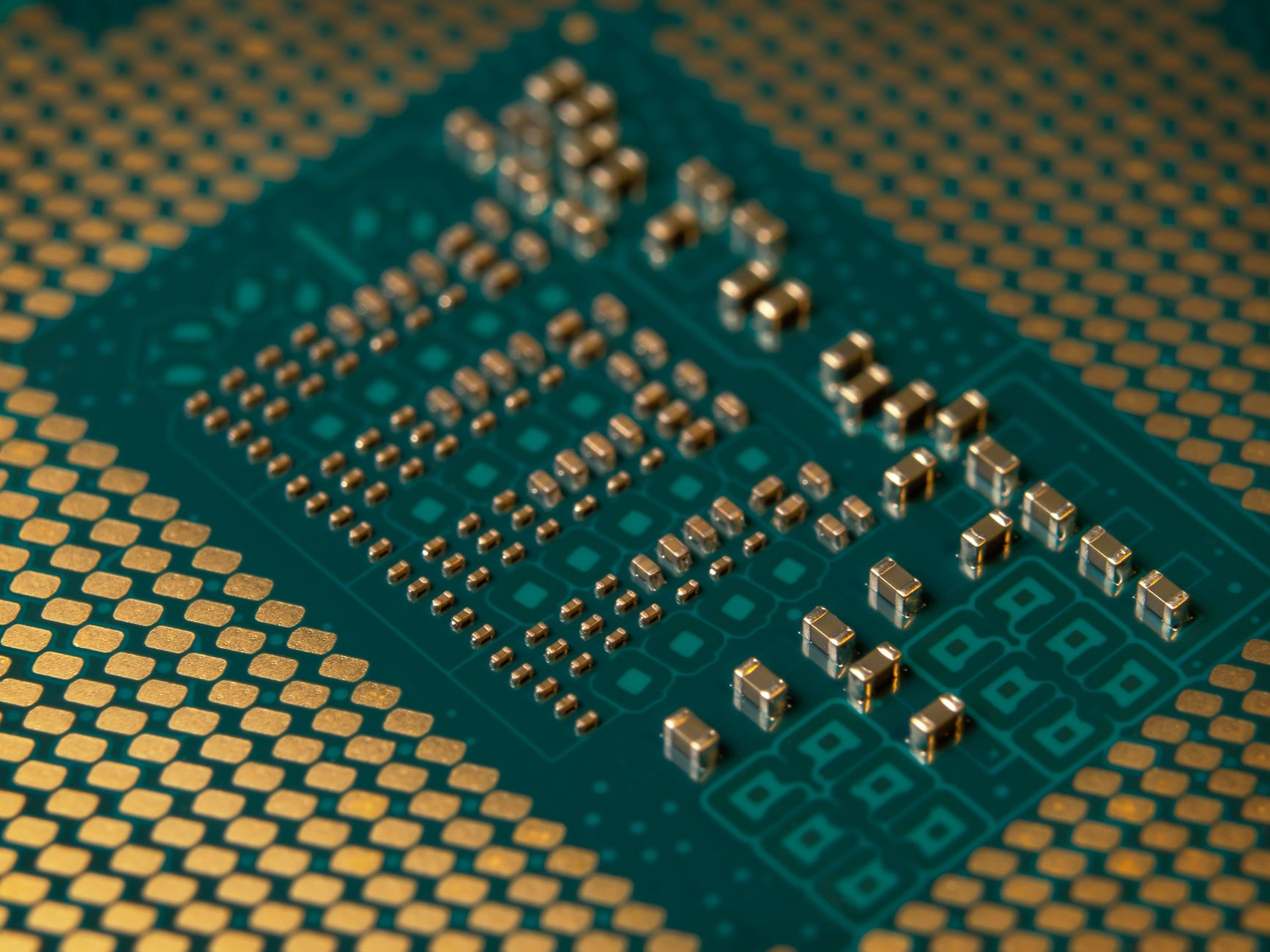
Taiwan Semiconductor Manufacturing Co. (TSMC) announced a record third‑quarter profit that exceeded analyst expectations, a result the company attributes to sustained global demand for artificial‑intelligence chips.
Financial performance
The chipmaker generated revenue of NT$1.49 trillion (about $46.36 billion), marginally above the LSEG SmartEstimates forecast of NT$1.47 trillion. Net income reached NT$763.1 billion, surpassing the projected NT$746.34 billion. Compared with the same period a year earlier, profit rose 68.7 percent, marking the sixth consecutive quarter of record earnings. Operating margin stood at 58.7 percent, outpacing the upper bound of the company’s guidance range of 58 percent, highlighting pricing strength amid the AI‑driven surge.
Looking ahead, TSMC projected fourth‑quarter revenue between $52.3 billion and $54.3 billion, implying a sequential increase of roughly 14 percent and a 58 percent jump from the prior year at the midpoint of the range. The firm also signaled that capital spending for the 2026‑2028 period will be markedly higher than in the preceding three years, reflecting plans to scale capacity for its advanced‑node customers.
Technology mix and future outlook
Advanced process technologies—defined as 7‑nanometer (nm) and smaller—accounted for 79 percent of total wafer revenue. Within that segment, 3‑nm chips delivered the largest share of revenue at 33 percent, followed by 5‑nm and 7‑nm products. By application, high‑performance computing generated the biggest portion of sales at 68 percent, while smartphones contributed 21 percent. The automotive segment posted the strongest quarter‑on‑quarter growth, expanding 23 percent.
TSMC emphasized that demand for AI‑focused silicon remains robust, driven by the expanding use of agentic AI and open‑source AI models that are expected to broaden AI accessibility and fuel further semiconductor consumption. The company also highlighted rising orders for AI accelerators and networking processors, underscoring the sector’s growing importance in the global AI supply chain.
Free cash flow surged to NT$476.56 billion in the quarter, a sharp increase from NT$139.38 billion a year earlier. The board approved a cash dividend of NT$7.00 per share for the second quarter. On the manufacturing front, TSMC completed construction of its second fab in Arizona and has begun installing equipment, with mass production targeted for the third quarter of 2027—slightly ahead of earlier timelines. The firm is also evaluating a possible investment in Texas to extend its U.S. production footprint.
Overall, TSMC’s results illustrate the company’s ability to capitalize on the AI boom while positioning itself for continued growth through advanced‑node development, higher capital investment, and geographic diversification of its manufacturing base.

Norman Pearlstine is the Executive Editor and Co-Founder at News Raise. With over two decades of experience across financial journalism, corporate governance, and market analysis, Norman leads the editorial direction and ensures strict adherence to journalistic accuracy and ethics.