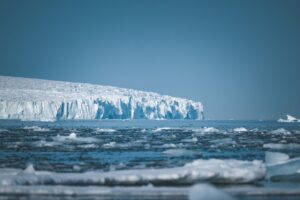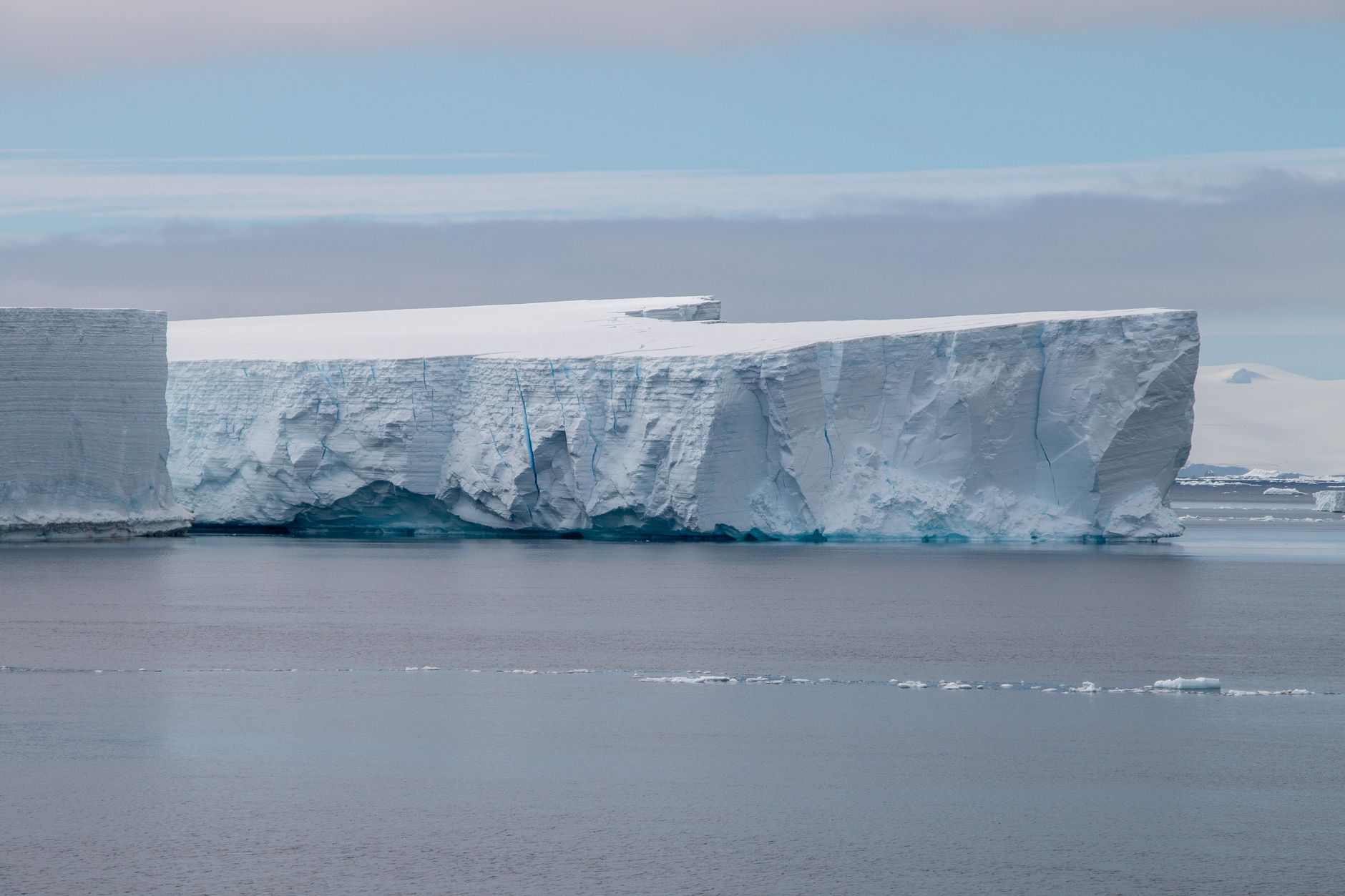
The world’s widest glacier, Thwaites Glacier in West Antarctica, is melting more aggressively than earlier projections indicated, a new study reports. Researchers from the University of California, Irvine and NASA’s Jet Propulsion Laboratory say the glacier could contribute up to 1.2 inches (3 centimeters) to global sea level by 2100, roughly double prior estimates, even without additional global warming.
Grounding zone dynamics reshape melt estimates
Thwaites, often dubbed the “Doomsday Glacier,” has been retreating for decades and currently accounts for about 4% of observed sea‑level rise. The new research focuses on the glacier’s grounding line—the point where the ice sheet lifts off the seabed and begins to float. Traditional ice‑sheet models treat this line as a fixed, stable boundary. However, lead author Mattia Poinelli, a project scientist at UCLA and former Earth system science researcher at UC Irvine, explains that satellite observations reveal a much broader “grounding zone” that can span several miles.
Within this zone, tidal forces cause seawater to flush in and out, a process known as “tidal pumping.” The inflow of relatively warm ocean water can reach deep beneath the ice, accelerating melt rates. By incorporating the grounding‑zone concept into their model, the team found that Thwaites could add up to 1.2 inches of sea level by the end of the century—twice the amount projected by earlier models that omitted this mechanism.
Topography, ridges and the risk of rapid retreat
The glacier rests on a sloping bedrock that deepens inland, exposing more ice to warm ocean water as it thins. Two underwater ridges, including the prominent Mouginot Ridge, act as pins that temporarily hold back the ice flow. The study indicates that melting at the grounding zone is hastening the “unpinning” of the glacier from Mouginot Ridge, with a 60% probability of unpinning before 2100. Once released, the ice could retreat quickly down the slope toward the next major ridge, potentially triggering a cascade of further ice loss.
Thwaites holds enough ice to raise global sea level by more than two feet if it were to collapse entirely. Because it also buttresses a larger portion of the West Antarctic Ice Sheet, its destabilization could ultimately contribute up to ten feet of sea‑level rise, threatening coastal cities from Miami to Manila.
Implications and next steps
Co‑author Eric Rignot, a professor of Earth system science at UC Irvine, says the findings “predict greater risk of and exposure for coastal flooding than anticipated in the coming decades.” Ted Scambos, a senior research scientist at the University of Colorado Boulder who was not involved in the work, called the results “a real game‑changer for sea‑level forecasting from Thwaites.”
Nevertheless, scientists caution that more direct observations are needed. Marine geophysicist Robert Larter of the British Antarctic Survey, also not involved, noted that the environment beneath Thwaites is “very difficult to access” and more complex than the model captures. The research team plans a field campaign in 2028 to install instruments at the grounding zone and measure seawater flushing directly.
Rignot emphasized that while the world has long recognized the climate threat to polar ice, recent insights into sub‑glacial processes heighten the urgency. “Even if we cut planet‑heating pollution now, we can expect higher sea levels in the future resulting from the damage that has already been done,” he warned.

Norman Pearlstine is the Executive Editor and Co-Founder at News Raise. With over two decades of experience across financial journalism, corporate governance, and market analysis, Norman leads the editorial direction and ensures strict adherence to journalistic accuracy and ethics.