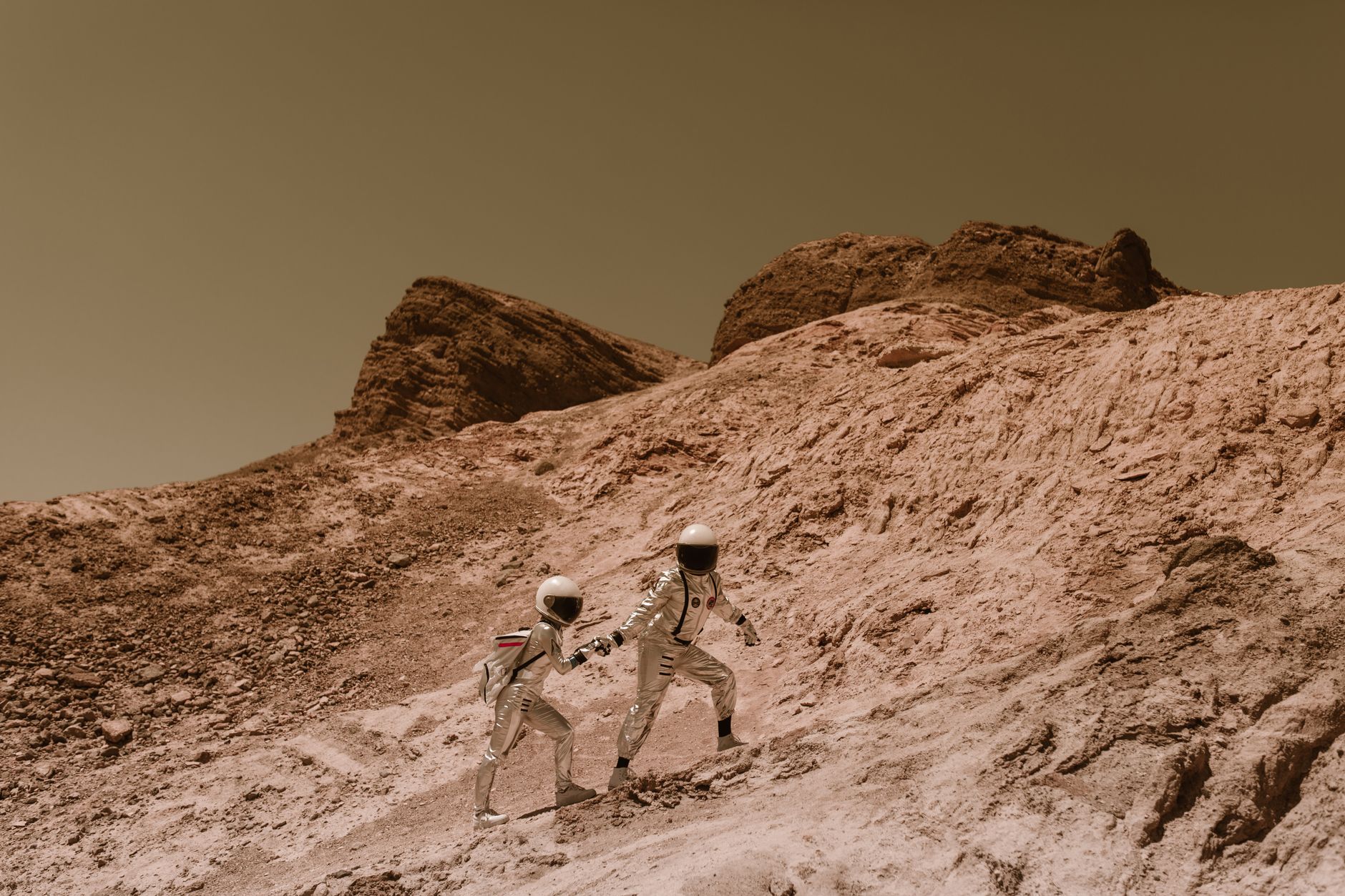
A Japanese spacecraft set to retrieve material from a Martian moon will launch early Tuesday from the Tanegashima Space Center in Kagoshima prefecture. The Martian Moons eXploration (MMX) mission, developed by the Japan Aerospace Exploration Agency (JAXA), will lift off aboard an H3 launch vehicle at approximately 4:41 a.m. Japan Standard Time, corresponding to 7:41 p.m. UTC on Monday.
Mission objectives and design
MMX is designed to become the first mission worldwide to land on Phobos, one of Mars’s two small moons, and return collected samples to Earth. The spacecraft consists of three modules: an exploration module, a return module and a carrier module that will provide propulsion and communications during the cruise phase. The exploration module carries four landing legs engineered to touch down on Phobos, whose surface gravity is roughly one‑two‑thousandth that of Earth.
Equipped with sampling tools, a suite of observation instruments and two super‑high‑vision cameras co‑developed by NHK and JAXA, the module will aim to acquire at least 10 grams of material from the moon’s surface layer, drilling to a depth of two centimeters or more. The mission’s total development cost is reported at 55.3 billion yen, about 350 million U.S. dollars.
Timeline from launch to sample return
After launch, MMX is expected to travel roughly one year before entering the vicinity of Mars. Once in Martian orbit, the spacecraft will spend about three years conducting scientific observations of both Mars and its moons. The exploration module is slated to separate for a landing attempt on Phobos, where it will perform the sample‑collection operation before re‑docking with the return module.
The return module will then carry the sealed samples back toward Earth. JAXA projects that the samples could be delivered to Earth during Japan’s fiscal year ending March 2032, providing scientists with the first direct material from Phobos for laboratory analysis.
Scientific significance
Beyond the historic first of a Phobos landing, JAXA hopes the mission will advance techniques required for future exploration of the Martian system, including potential crewed missions. Analyzing the retrieved material may also shed light on the long‑standing debate over Phobos’s origin—whether it is a captured asteroid or formed from debris resulting from a massive impact on Mars.
Successful completion of MMX would place Japan among a select group of nations that have returned extraterrestrial samples, joining the United States, the former Soviet Union, and the European Space Agency in this elite club. The mission underscores Japan’s growing capabilities in deep‑space exploration and its commitment to international scientific collaboration.
As the countdown continues, the global space community watches closely, anticipating both the technical achievements of the H3 launch system and the scientific insights that Phobos’s material may unlock.

Norman Pearlstine is the Executive Editor and Co-Founder at News Raise. With over two decades of experience across financial journalism, corporate governance, and market analysis, Norman leads the editorial direction and ensures strict adherence to journalistic accuracy and ethics.