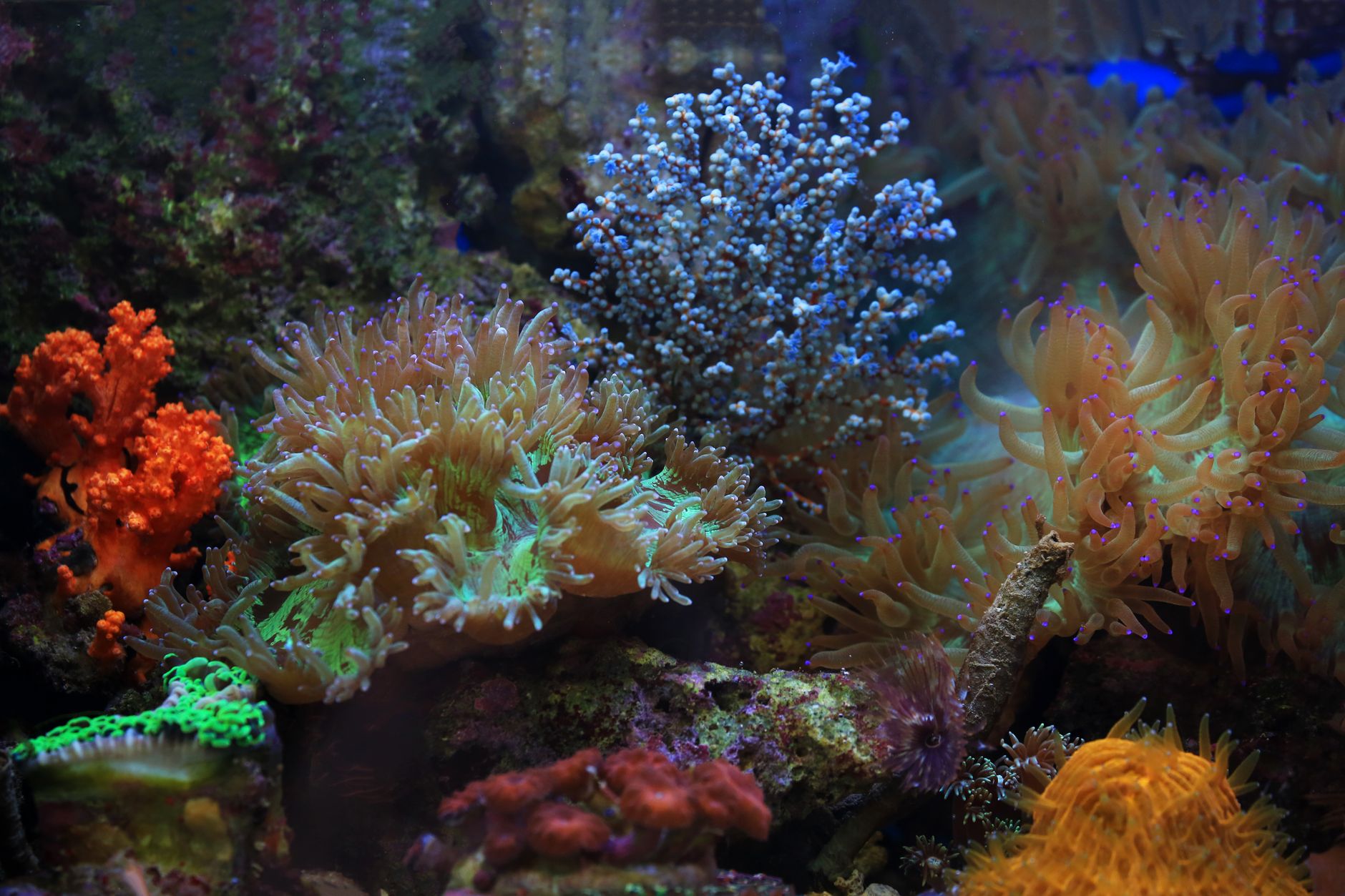
Coral fragments that had turned ghostly white from bleaching regained full coloration in a laboratory setting in only seven weeks, according to a study published in Science Advances. The rapid reversal, achieved by brief physical contact with healthy clones, represents the fastest documented recovery of bleached corals and the first observation of a complete comeback after the organisms were on the brink of death.
Rapid Recovery Demonstrated in Lab
Lead author Danny Collins, a PhD candidate at Stanford University’s Doerr School of Sustainability, described the experiment that led to the breakthrough. In 2025, co‑author Professor Steve Palumbi noticed that two coral fragments from the same colony—one bleached, one healthy—had fallen and touched each other in a tank. Within hours, the bleached piece began to regain color, indicating that beneficial algae were returning.
Motivated by the observation, Collins arranged five pairs of bleached and healthy fragments to touch, leaving a few additional pairs separated by only a few millimeters. All touching bleached fragments fully recovered within seven weeks, while those that never made contact died. Further tests showed that as little as five days of contact was sufficient for the bleached pieces to acquire enough algae to complete recovery on their own after separation.
Mechanism of Tissue Fusion and Algae Transfer
Corals are animals that can clone themselves, forming extensive colonies of genetically identical tissue. When two fragments of the same genotype touch, their tissues fuse, forming microscopic channels that allow direct transport of algae and nutrients. Palumbi likened the process to human organ transplants between identical twins, noting that “genetically identical corals recognize one another when they come into contact, and their tissues fuse.”
Microscopic analysis revealed that, during the second week of contact, algae within the bleached fragments doubled every four days—roughly ten times faster than algae growth rates observed in wild corals. Once the algae entered the bleached tissue, they proliferated rapidly, flooding the host and sustaining continued recovery even after the fragments were separated.
Implications for Reef Restoration
The findings suggest a natural pathway for rescuing bleached reefs that have long been deemed a “lost cause.” By leveraging the innate ability of cloned corals to share symbiotic algae, scientists may develop scalable techniques for reef rehabilitation. Stanford professor Fiorenza Micheli emphasized the broader significance, stating that the insights “give us hope for the future” and could accelerate restoration efforts.
Current coral‑conservation strategies include selective breeding of heat‑tolerant strains, cultivating coral nurseries, and transplanting beneficial microbiomes. The Stanford team plans to explore alternative delivery methods for the algae that do not require continuous physical contact, aiming to translate the laboratory success to field applications where direct touching of corals is impractical.
Coral reefs, which buffer coastlines against storms and support diverse marine life, suffer when warming ocean waters force them to expel the photosynthetic algae that provide nutrition. The rapid recovery demonstrated by Stanford researchers offers a promising new tool in the fight against climate‑induced bleaching, potentially reshaping how scientists approach the preservation of these critical ecosystems.

Steve Lopez is a Senior Editorial Columnist and Health & Public Policy reporter for News Raise. Steve focuses on healthcare advancements, medical technologies, and public health policies.