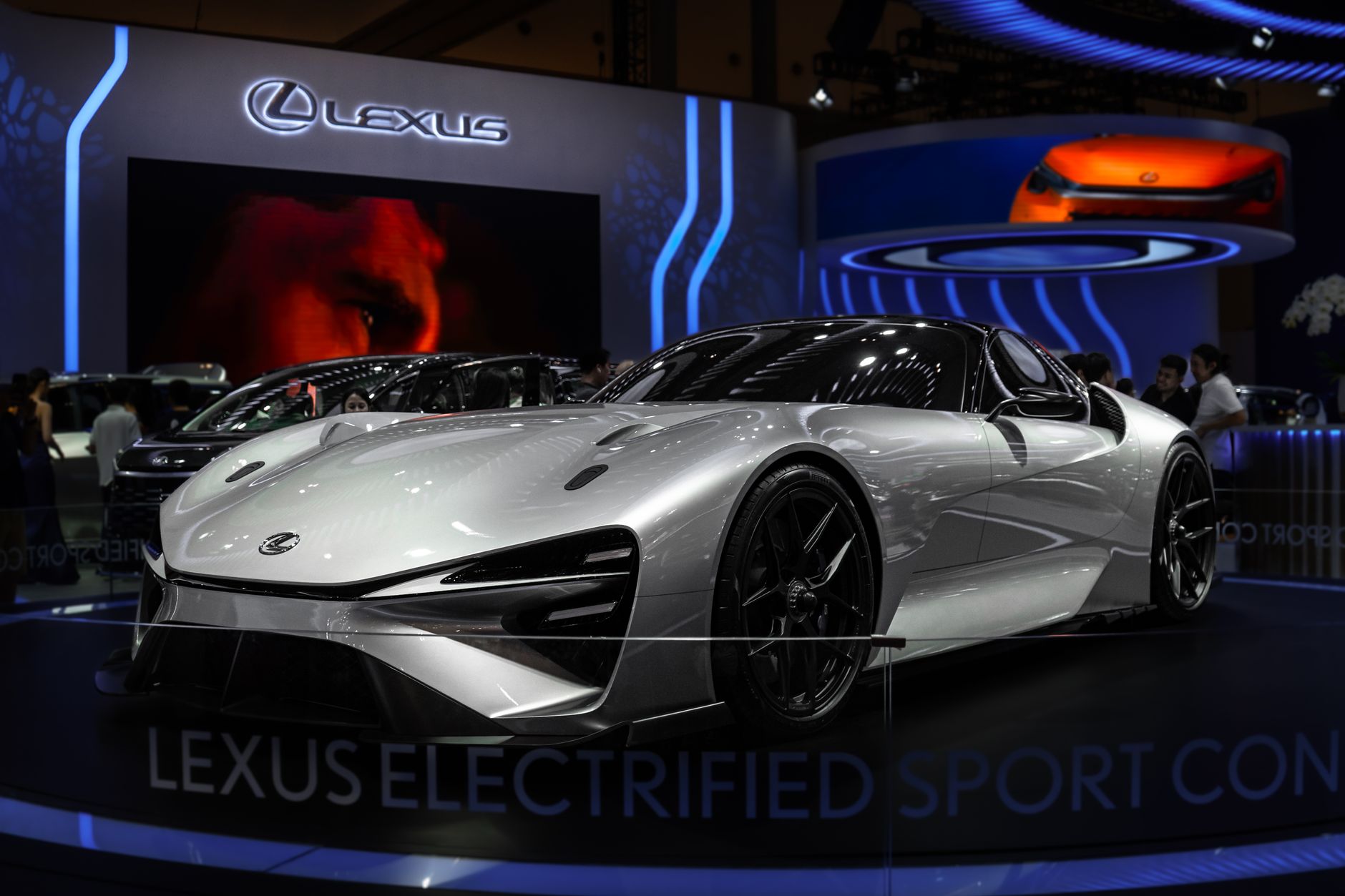
On Thursday night Tesla unveiled a second‑generation version of its much‑anticipated Roadster, marking the first public reveal of the model in nearly a decade. While the event highlighted ambitious performance targets, the company’s reservation agreement makes clear that the vehicle remains in development and that delivery cannot be promised.
Reservation terms and pricing
Prospective buyers are asked to place a deposit of up to $250,000, which matches the full price of the top‑tier Founders Series version that was offered when the original Roadster was first announced. The agreement, posted on Tesla’s website, emphasizes that the deposit secures only an “approximate” place in line should the car eventually enter production. It does not guarantee a specific build slot.
Because the Roadster is still being engineered, any price figures cited at this stage are treated as estimates. Tesla notes that the company is still deciding on final options, features, and hardware, and therefore cannot confirm an exact price until customers are invited to configure their vehicles. Full pricing will be disclosed later in the sales process.
Uncertain delivery timeline
The reservation document also states that the automaker cannot guarantee when, or even if, a vehicle will be delivered. Tesla currently estimates production could begin in 2028, but the company’s history of schedule shifts casts doubt on that timeline. The source material points out that “nearly every new product from the company has been delayed,” and the previous Roadster model never reached production despite a similar reservation program.
Potential buyers therefore face a scenario in which they may wait several years with no assurance that the car will ever be built. The agreement’s language reflects this uncertainty, making clear that the Roadster is “still under development” and that delivery dates remain speculative.
Refundability and resale options
Unlike earlier special‑edition reservation programs such as the Cybertruck Foundation Series and Model S Signature Edition, Tesla’s new Roadster agreement does not contain a no‑resale clause. While reservations are non‑transferable, the absence of a resale restriction means that, should the company be unable to fulfill its promises—such as the advertised 0‑to‑60 mph time of 0.81 seconds or built‑in rocket thrusters—customers could potentially sell their reservation rights.
Additionally, the agreement states that reservations are fully refundable. Given Tesla’s track record with the prior Roadster, the refund option provides a safety net for consumers who may decide to withdraw their deposits if the project stalls or fails to meet expectations.
Overall, the new Roadster reservation program blends high‑profile performance claims with a legal framework that offers little certainty about delivery, pricing, or final specifications. Prospective buyers are advised to weigh the substantial upfront cost against the lack of guaranteed production and the fully refundable nature of the reservation.

Mitchell Landsberg is a Senior Technology Correspondent at News Raise. He covers consumer electronics, artificial intelligence, software developments, and digital privacy trends.