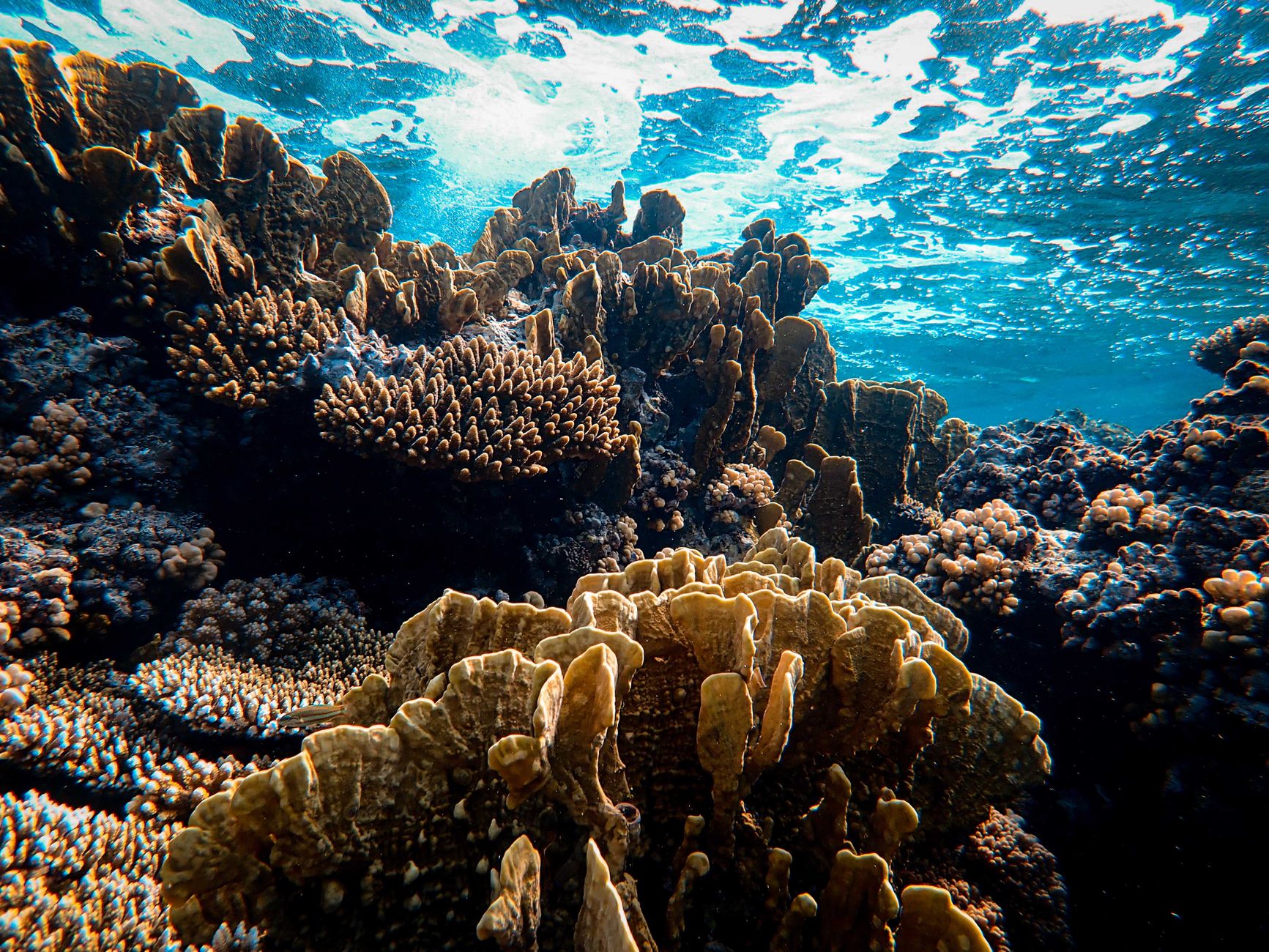
Scientists have demonstrated that a short period of physical contact with healthy corals can dramatically accelerate the recovery of bleached coral tissue, according to a study published in Science Advances. Lead author Danny Collins, a marine scientist at Stanford’s Doerr School of Sustainability, reported that five days of contact were sufficient to trigger full recovery in laboratory‑tested bleached fragments.
Background on coral bleaching
Coral reefs depend on a symbiotic relationship with microscopic algae called zooxanthellae, which live inside the coral’s tissues and provide the animal with energy through photosynthesis. When ocean temperatures rise above normal levels, corals expel these algae, causing the tissue to lose its colour and turn white—a phenomenon known as bleaching. While bleaching itself does not immediately kill the coral, prolonged loss of zooxanthellae can lead to starvation and death if the algae do not return quickly.
The authors of the study highlighted the urgency of finding mitigation strategies, noting four major global bleaching events in 1998, 2010, 2015‑16 and 2023‑25, and warning that annual mass bleaching could become common by 2080, pushing many reefs toward collapse.
Experiment shows rapid recovery
Collins and his team investigated whether direct contact between bleached and healthy corals could facilitate the transfer of beneficial algae. In the laboratory, they placed bleached fragments alongside healthy colonies of the same clone. Within minutes, the tissues of the two corals fused, forming a bridge that allowed the healthy coral to deliver large numbers of zooxanthellae into the bleached partner.
The transferred algae replicated within the bleached tissue, and the researchers observed a swift return to normal colouration. All five bleached fragments that were in direct contact with healthy corals achieved complete recovery within eight weeks, with one fragment regaining health in just four weeks. The study reports that even brief contact—sometimes as little as three days—provided enough symbionts to initiate sustained self‑recovery.
By the end of the first week, the symbiont population doubled roughly every four days, a rate described as up to an order of magnitude faster than typical recovery times observed in the field.
Potential and challenges
This is the first documented case of bleached corals recovering solely through physical contact with healthy counterparts. The authors caution that the approach currently requires the two corals to be genetically identical, a limitation that could restrict large‑scale application on diverse reef systems.
Collins emphasized that while the laboratory results are promising, additional research is needed to determine how the method might be adapted for real‑world reefs. He expressed optimism that the findings could inspire new interventions aimed at accelerating coral recovery after bleaching events.
In summary, the study provides evidence that brief, targeted contact with healthy corals can supply the essential algae needed for bleached corals to rebound, offering a potential new tool in the fight against climate‑driven reef degradation.

Helene Elliott is the Lead Science & Space Reporter at News Raise. She reports on aerospace missions, astrophysics discoveries, quantum research, and environmental technology.