A recent study published in Science has provided genetic evidence that the first settlers of Hawaii originated from Easter Island (Rapa Nui). Using whole‑genome sequencing, researchers identified DNA segments that match perfectly between individuals on the two islands, allowing them to reconstruct family trees that point to a common ancestry.
Study methodology and key findings
The analysis examined DNA from more than 1,000 Polynesian participants, including 317 Native Hawaiians, 12 individuals from Rapa Nui, and eight from Mangareva, as well as samples from the Society, Tuamotu, Marquesas, Austral, Samoan and Tongan islands. By comparing shared DNA segments, genetic variation, and thousands of reconstructed genealogies, the team found that in 61% of the trees, Hawaii and Easter Island were paired together.
Lead computational geneticist Alexander Ioannidis of Stanford University explained that the algorithms can locate exact DNA matches that reflect common ancestors, and from those matches, generate island‑to‑island family trees. Co‑senior author Keolu Fox of the University of California, San Diego, added that the result was initially “dumbfounded” and required verification through four independent analytical approaches.
The data also revealed that the ancestors who first settled Easter Island arrived there in the 1200s after a voyage from Mangareva, an island over 1,500 miles (2,400 km) to the east. A subset of that population is believed to have set out for Hawaii in the same century, making the journey of more than 4,400 miles across the Pacific the longest known pre‑European Polynesian migration.
Historical and cultural context
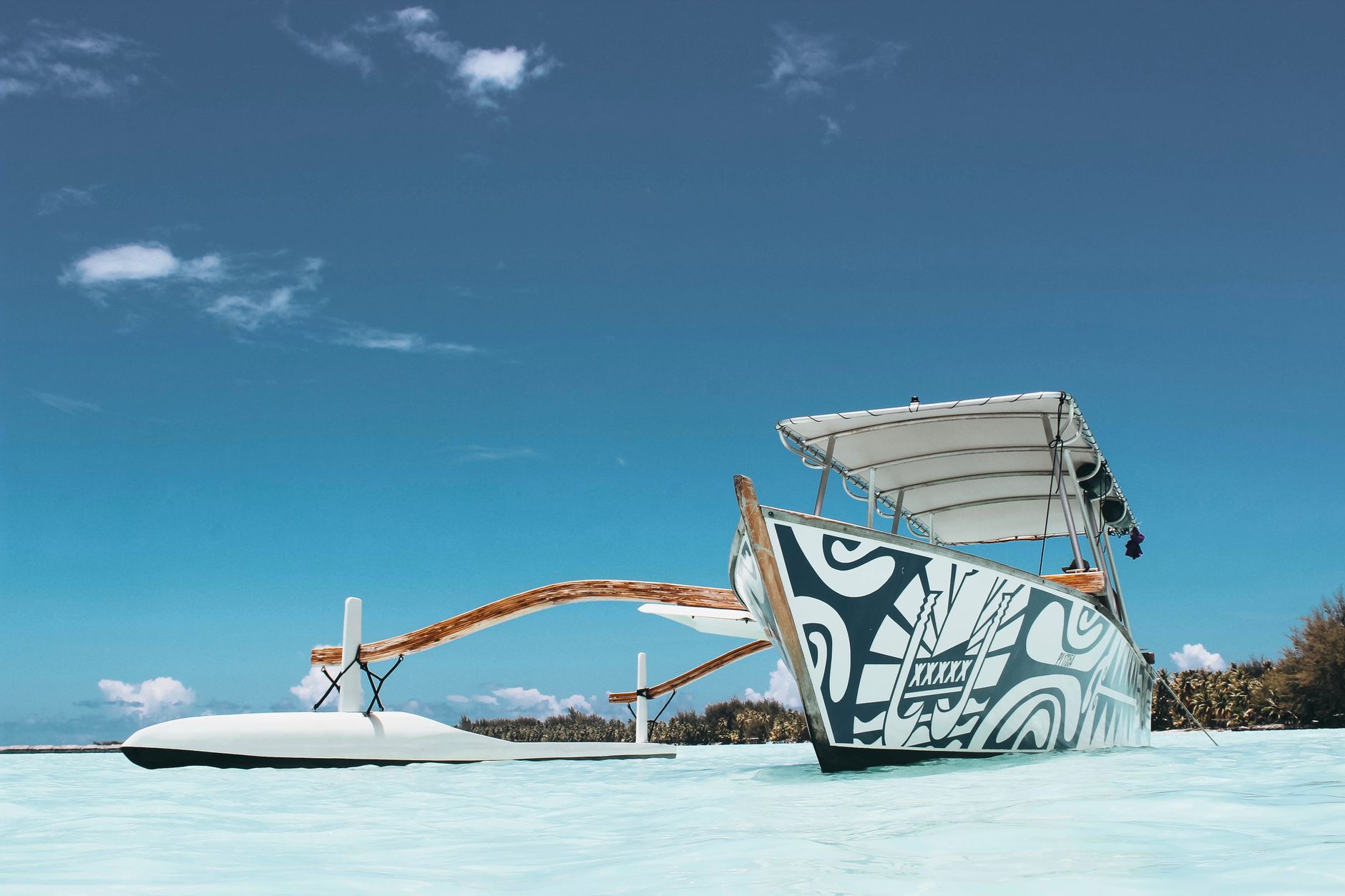
According to the researchers, the voyagers would have traveled in double‑hulled canoes, bringing essential plants such as bananas, taro and sweet potato, as well as chickens, to establish a self‑sustaining settlement on the volcanic islands of Hawaii. The study refers to these mariners as the “Holomoana Nui,” a Hawaiian term meaning “great ocean voyaging,” and describes them as the greatest voyaging community in human history.
Beyond the genetic link, Native Hawaiians and Easter Islanders share cultural traits typical of eastern Polynesia, including similar Austronesian languages and comparable staple foods. The researchers suggest that these commonalities reflect the same migration wave identified in the DNA.
Health implications and future directions
The authors note that the migration pattern created repeated founder effects—genetic bottlenecks that occur when a small group establishes a new population. Such bottlenecks can concentrate rare disease‑associated variants, as observed in the study’s identification of variants linked to kidney disease and blindness that are unusually frequent in French Polynesia.
Founder effects have been extensively documented in other isolated populations, such as the Amish, Ashkenazi Jews and Finns, leading to targeted genetic screening programs. The study’s authors argue that similar screening could be valuable for Native Hawaiians, whose genetic profile shows amplified frequencies of certain rare variants.
Additional findings include a detailed genomic analysis of Tahiti, where the team estimated a founding generation of roughly 800 individuals arriving around the year 1070. Because the voyage to Hawaii was longer, the researchers expect the founding population for Hawai‘i to have been smaller than that for Tahiti.
The study reshapes understanding of Polynesian exploration, emphasizing that Polynesians were navigating and settling vast oceanic distances centuries before European voyages of discovery. As Fox remarked, “Perhaps it’s time to rethink who we call explorers.”

Helene Elliott is the Lead Science & Space Reporter at News Raise. She reports on aerospace missions, astrophysics discoveries, quantum research, and environmental technology.