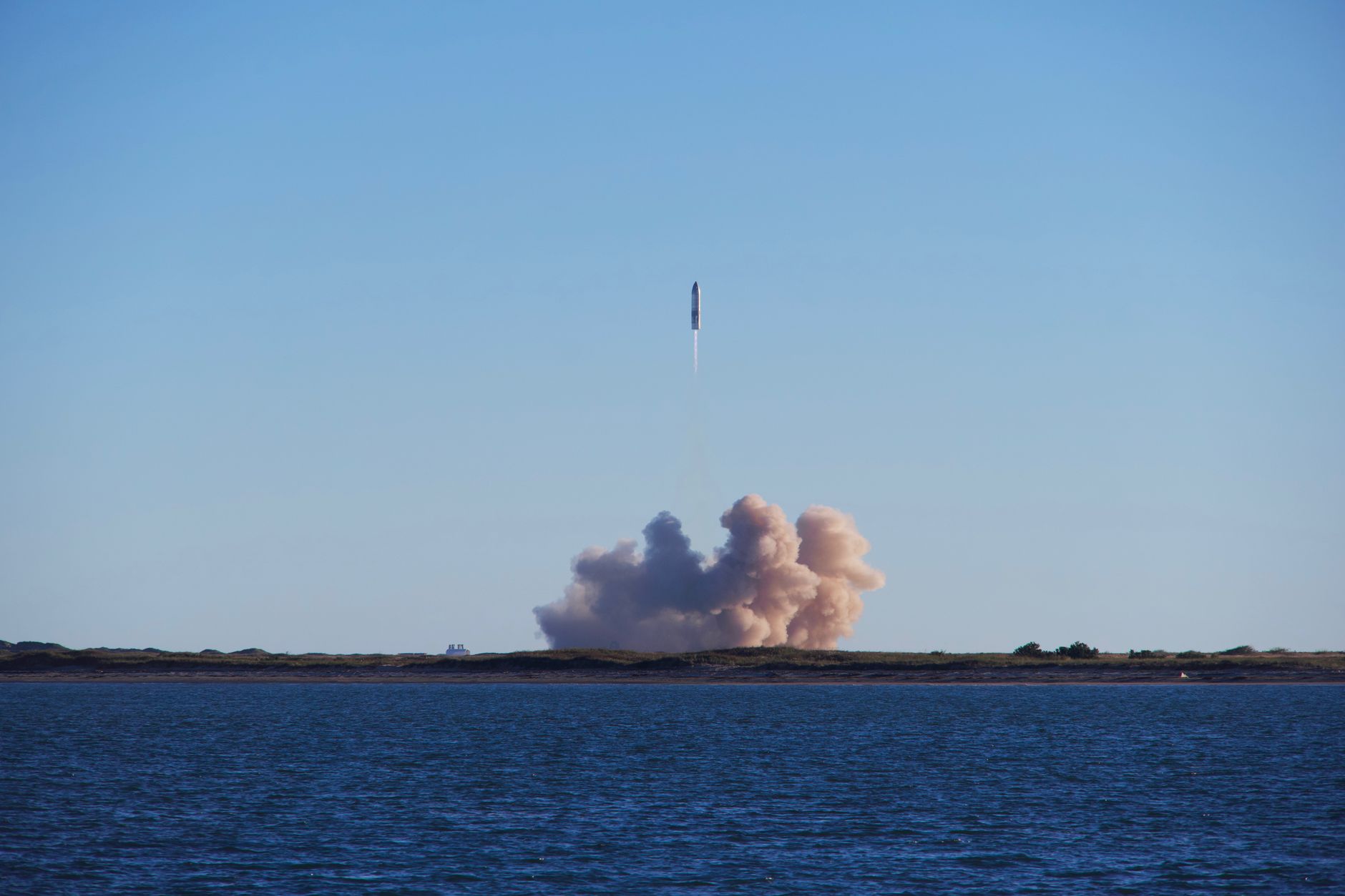
SpaceX successfully launched the Bandwagon‑5 rideshare mission from Cape Canaveral Space Force Station on Tuesday, Oct. 20, after a weather‑related scrub on Oct. 19. The uncrewed flight carried the company’s Starfall reentry capsule and a total of 31 additional customer payloads aboard a Falcon 9 rocket.
Launch profile and booster recovery
The Falcon 9 lifted off from Space Launch Complex 40 at 7:04 a.m. EDT (1104 UTC) on a southeasterly trajectory. The vehicle used first‑stage booster B1085, marking its 19th flight following a series of missions that included NASA’s Crew‑9 and multiple Starlink batches. Approximately nine minutes after liftoff, B1085 was slated to attempt a landing on the droneship A Shortall of Gravitas. If successful, the landing would represent the 167th on that vessel and the 672nd Falcon booster touchdown overall.
Payload manifest
The mission’s 32 payloads comprised the Starfall capsule and 31 customer satellites. Twenty of the customer payloads were managed by Exolaunch, a multinational mission‑management firm. Among these were four radio‑frequency monitoring satellites from HawkEye 360, four communications satellites for Finnish micro‑satellite company Iceye, and six navigation satellites from California‑based Xona Space Systems.
In addition to Starfall, the flight carried Varda Space Industries’ W‑7 reentry capsule. The W‑7 vehicle, roughly one‑third the size of Starfall, contains a cancer‑drug candidate called Protac, intended to test whether microgravity can improve the drug’s solubility. Varda has previously flown its W‑8 and W‑9 capsules on the Transporter‑18 mission.
Also aboard was the Starburst‑1 demonstration spacecraft from Portal Space Systems. Weighing 260 kg, the vehicle is designed for orbital maneuvers and can accommodate a customer payload of up to 50 kg. Portal funds the demonstration fully and plans to offer commercial flights beginning in 2027.
Starfall capsule and mission goals
SpaceX introduced the Starfall reentry capsule in June, describing it as a microgravity laboratory for researchers and entrepreneurs. According to Zachary Luppen, an avionics supply‑chain engineer at SpaceX, the capsule enables microgravity research and in‑space manufacturing that could benefit life on Earth. The Federal Aviation Administration’s environmental assessment lists Starfall as roughly 0.75 m tall, 3.1 m in diameter, and 2,100 kg in mass, with a payload capacity of up to 1,000 kg. SpaceX has not disclosed the specific payloads carried on this flight.
Weather conditions for the launch were favorable compared with the previous day. The 45th Weather Squadron forecast a 90 percent chance of acceptable launch weather, noting a cold front moving southward and reduced high‑altitude winds. The forecast also indicated a moderate risk of unsuitable conditions at the booster recovery zone, an improvement over Monday’s outlook. Launch officials cited a diminished “Cumulus Cloud Rule” concern due to the shifting weather patterns.
Live coverage of the launch was provided by Spaceflight Now, beginning about an hour before liftoff. The successful deployment of all customer payloads was confirmed on Oct. 20 at 8:45 a.m. EDT (1245 UTC).

Helene Elliott is the Lead Science & Space Reporter at News Raise. She reports on aerospace missions, astrophysics discoveries, quantum research, and environmental technology.