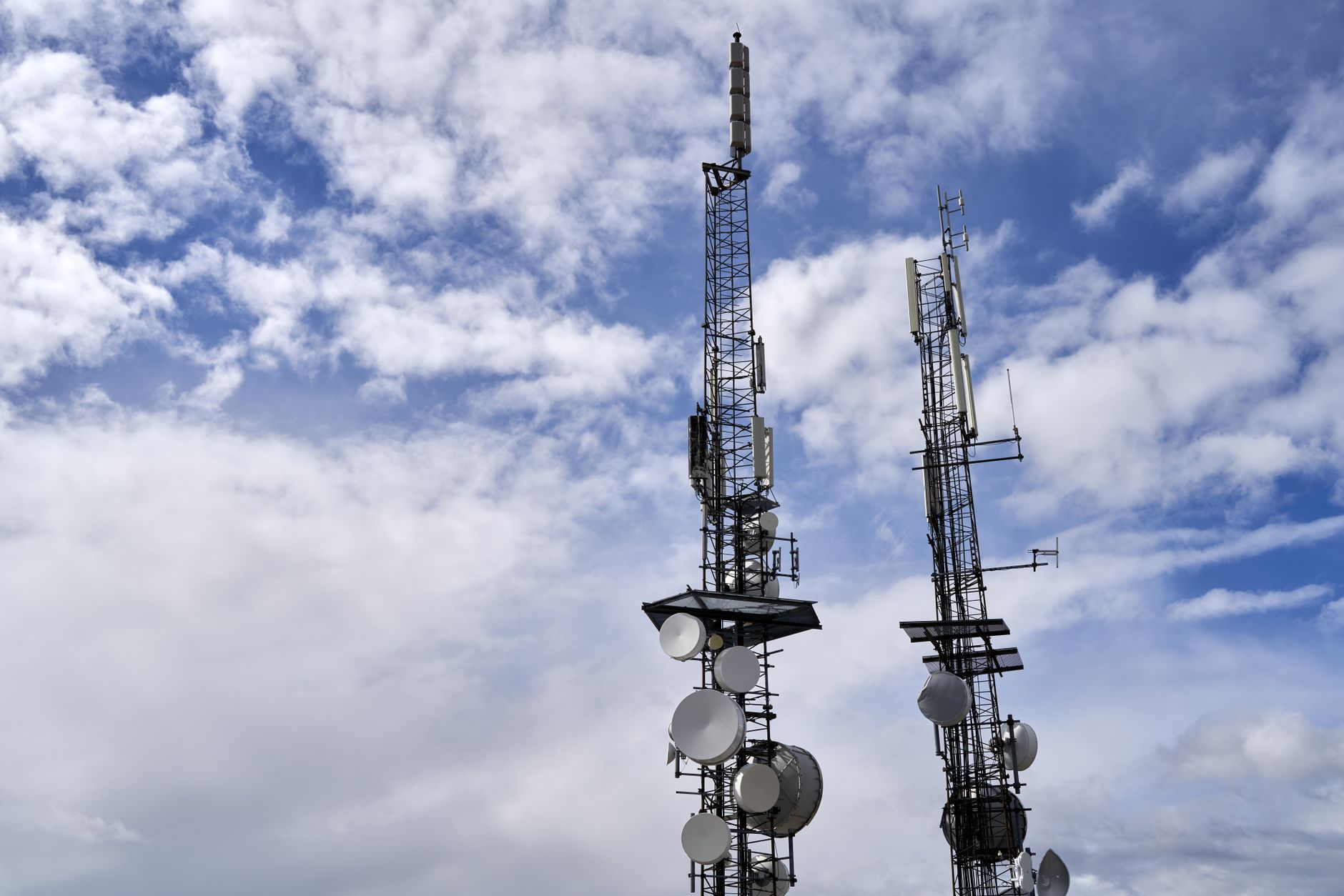
U.S. telecommunications equities saw a split reaction on Friday. Tower operators Crown Castle and American Tower posted gains of roughly 9 % and 4 % respectively, while the three biggest wireless carriers – Verizon, AT&T and T‑Mobile – fell between 1 % and 8 %.
SpaceX’s rumored expansion drives market moves
The catalyst behind the divergence was a report that SpaceX is negotiating to secure at least 80,000 cell sites across the United States. The figure represents about half of the nation’s purpose‑built towers, positioning SpaceX as a potential fourth nationwide wireless carrier. Bloomberg first disclosed the talks on Thursday evening, and the news quickly filtered through the market.
Earlier in October, SpaceX made headlines by agreeing to purchase $8 billion of low‑frequency spectrum, a deal that also sent carrier stocks lower. The current discussion about a massive tower footprint builds on that earlier development, suggesting a broader rollout strategy beyond the small‑cell rooftop approach the company described in August.
Why tower owners benefited
Cell tower businesses generate revenue by leasing space on their structures to wireless providers under long‑term contracts. Adding a new tenant to an existing tower typically incurs minimal incremental cost, turning each additional lease into pure profit. Until now, the tower market has primarily served three tenants – AT&T, Verizon and T‑Mobile – after Sprint’s integration into T‑Mobile. A well‑capitalized fourth player would increase occupancy rates and diversify income streams for tower owners.
Crown Castle was specifically mentioned as a potential partner in the SpaceX talks, though no formal agreement has been announced. American Tower also rose on the news, reflecting investor optimism that any new tenant would boost the sector’s overall earnings potential.
Carrier stocks under pressure
The prospect of a deep‑pocketed competitor entering the market prompted a sell‑off in the three incumbent carriers. Verizon slipped 1.2 %, AT&T dropped nearly 8 %, and T‑Mobile fell about 7.7 % by midday. Analysts note that SpaceX would start without any existing subscriber base, holds less spectrum than the established players, and does not expect to launch commercial service until late 2027. Building a nationwide network would therefore be a multiyear effort.
Despite the short‑term pain, commentators caution that the reaction may be overstated. The industry has previously accommodated a fourth carrier – Dish Network’s brief foray into 5G – without fundamentally altering pricing power for the incumbents. Moreover, the current market pricing reflects a deal that has not yet been finalized.
Investors considering exposure to tower owners as a momentum play should weigh the uncertainty surrounding any definitive contract with SpaceX. Likewise, the carrier sell‑off may present buying opportunities if the perceived threat diminishes once the details of the negotiations become clearer.
In sum, SpaceX’s potential acquisition of a massive tower portfolio has ignited a fresh debate about the future competitive landscape in U.S. wireless services. While the immediate market reaction has been pronounced, the long‑term impact will depend on how quickly SpaceX can translate its site agreements into a functional network.

Norman Pearlstine is the Executive Editor and Co-Founder at News Raise. With over two decades of experience across financial journalism, corporate governance, and market analysis, Norman leads the editorial direction and ensures strict adherence to journalistic accuracy and ethics.