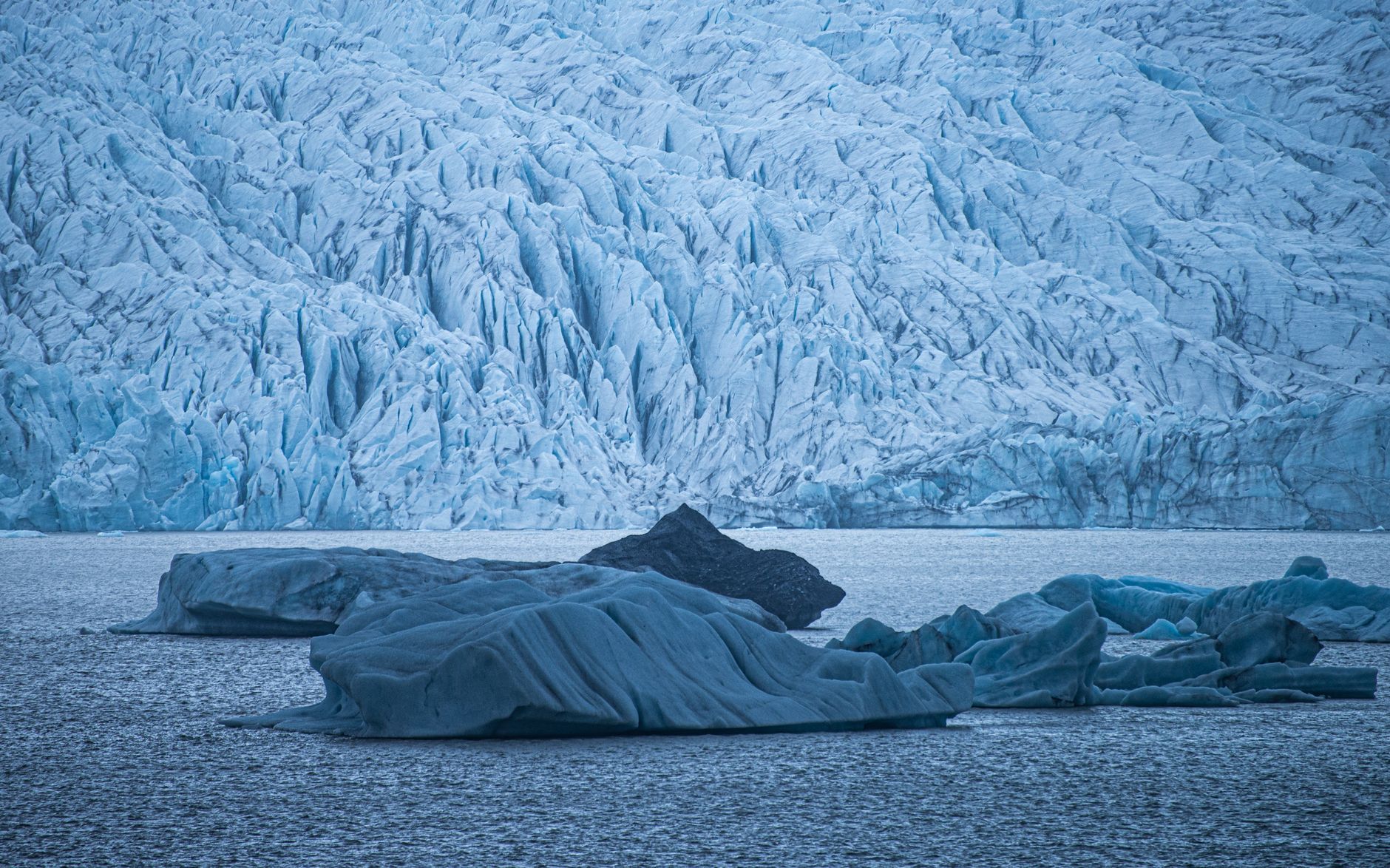
The Barnes Ice Cap, perched on the central plateau of Baffin Island in the Canadian Arctic, has provided scientists with a rare glimpse into the long‑term behavior of the continent‑spanning Laurentide Ice Sheet. The ice cap is the sole surviving fragment of one of the massive domes that once covered much of Canada during the Pleistocene epoch.
Evidence of a Re‑expansion
According to a recent study published in Science, researchers determined that the Laurentide Ice Sheet reached its minimum extent roughly 3,600 years ago. After that low point, the ice sheet began to expand again about 2,000 years ago, a shift the authors describe as the opening move of a new glaciation cycle. The team, led by geologist Nicolás Young of Columbia University’s Lamont‑Doherty Earth Observatory, interprets this growth as a natural climatic response that was effectively cancelled around 1960 when human‑driven warming reversed the trend.
“Barnes is the last remaining piece of one of the domes of the Laurentide Ice Sheet,” Young said. “As that enormous dome thinned through the Holocene, its margin withdrew up onto Baffin Island, and what’s left today is the deflated core of something that was once two miles thick.”
Why Barnes Preserves History
Most glaciers are warm‑based, meaning meltwater at their base acts as a lubricant, allowing the ice to slide over the underlying rock. This sliding action grinds away any material beneath the glacier, erasing geological records. Barnes Ice Cap, however, is cold‑based; it is frozen directly to the bedrock, preventing any sliding. Young likens this to ice that sticks to a windshield, “plastered to the surface,” and therefore preserves whatever lies beneath.
The cold‑based nature of Barnes means that when the Laurentide Ice Sheet retreated across the plateau, tundra vegetation colonized the newly exposed ground. When the ice later surged forward, it simply covered the plants, keeping them intact for two millennia. This preserved organic material allowed the research team to apply two independent dating methods to pinpoint the timing of the ice sheet’s reversal.
Implications for Climate Understanding
The findings underscore the dynamic nature of Earth’s ice systems. At its peak, the Laurentide Ice Sheet buried most of Canada under two miles of ice and locked away approximately 80 meters of global sea level. The newly identified re‑expansion suggests that, absent modern warming, the ice sheet may have entered a new glacial phase in the early second millennium CE.
However, the study notes that the onset of anthropogenic climate change in the mid‑20th century interrupted this natural progression. By around 1960, rising temperatures were sufficient to halt the ice sheet’s growth and trigger a renewed retreat, illustrating the powerful influence of human activity on long‑term glacial cycles.
These insights are derived solely from the physical record preserved within the Barnes Ice Cap, highlighting the value of cold‑based glaciers as archives of past climate conditions. As researchers continue to analyze the preserved sediments and plant remains, they hope to refine the timeline of the Laurentide’s fluctuations and improve models that predict how current and future warming may affect remaining ice masses.

Norman Pearlstine is the Executive Editor and Co-Founder at News Raise. With over two decades of experience across financial journalism, corporate governance, and market analysis, Norman leads the editorial direction and ensures strict adherence to journalistic accuracy and ethics.