Researchers have documented a new, unusually large fungus named Dianjunus rex in the Yunnan province of southwestern China. The species, whose name echoes the famed dinosaur Tyrannosaurus rex, belongs to a newly defined family, Dianjunaceae, that is thought to have arisen shortly after the mass extinction that ended the Cretaceous Period.
Discovery and Description
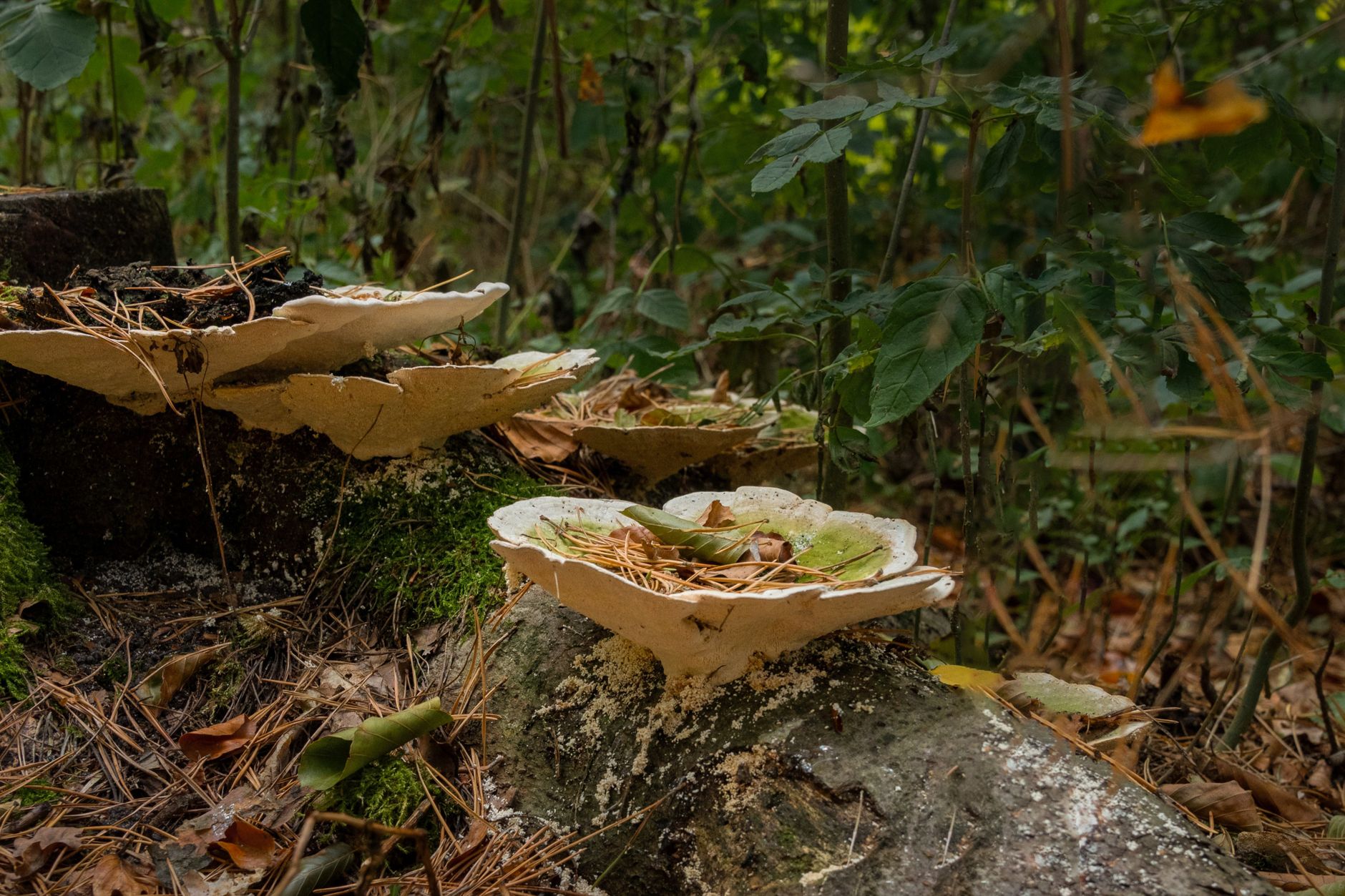
The fungus was recorded during fungal‑diversity surveys carried out in 2024 and 2025. Local farmers had long noticed the organism’s fleshy, finger‑like fruiting bodies—called stromata—growing in clusters around dead trees, but it was only after a curious resident photographed the structures and shared the images with scientists that the organism’s significance became clear. Co‑author Indunil Senanayake of the Kunming Institute of Botany noted that some locals had even tasted the stromata without reporting any ill effects, although formal toxin testing has not yet been performed.
Dianjunus rex produces upright, pale yellowish stromata that can reach 20 inches (about 50 cm) in height and weigh roughly five pounds (2.2 kg), making it the tallest and heaviest known member of the phylum Ascomycota. This phylum, also called sac fungi, includes roughly 65,000 described species such as morels, truffles and yeasts.
Evolutionary Origins
Genetic analysis indicates that the family Dianjunaceae likely originated about one million years after the asteroid impact that caused the Cretaceous‑Paleogene extinction event. That catastrophe eliminated all non‑avian dinosaurs and wiped out an estimated 75 % of Earth’s plant and animal life, leaving massive amounts of dead organic material. Senanayake explained that the resulting surge of dead leaves, wood, roots and carcasses created a banquet for decomposers, allowing fungi like D. rex to evolve and thrive in the newly opened ecological niche.
Significance and Future Research
Beyond its size, D. rex is notable for being the largest known Ascomycota. The previous record holder was Engleromyces goetzei, a brown fungus from Kenya that reaches a diameter of nearly 12 inches (30 cm) and weighs about seven pounds (3.2 kg). Most other sac fungi range from microscopic to only a few inches tall, making the discovery of a 20‑inch specimen particularly striking.
Scientists are now probing why D. rex grows so large compared with its relatives. One hypothesis is that the elevated stromata improve spore dispersal in the densely fibrous forest floor of its habitat. The upper portion of the fruiting body contains thousands of tiny pores that release spores; by rising above ground litter, the fungus may increase the distance its spores travel, enhancing reproductive success.
Fungi play a crucial role in carbon cycling and plant health, yet they remain vastly under‑described. Stanford University biologist Kabir Peay, who was not involved in the study, emphasized that cataloguing species is the first step toward understanding their ecological functions. While roughly 150,000 fungal species have been formally described, estimates suggest that between two and thirteen million species exist worldwide.
The discovery of Dianjunus rex underscores how much of fungal biodiversity remains hidden, even for conspicuous organisms. As researchers continue to explore forest ecosystems, further surprises about the size, diversity and ecological impact of fungi are likely to emerge.

Steve Lopez is a Senior Editorial Columnist and Health & Public Policy reporter for News Raise. Steve focuses on healthcare advancements, medical technologies, and public health policies.