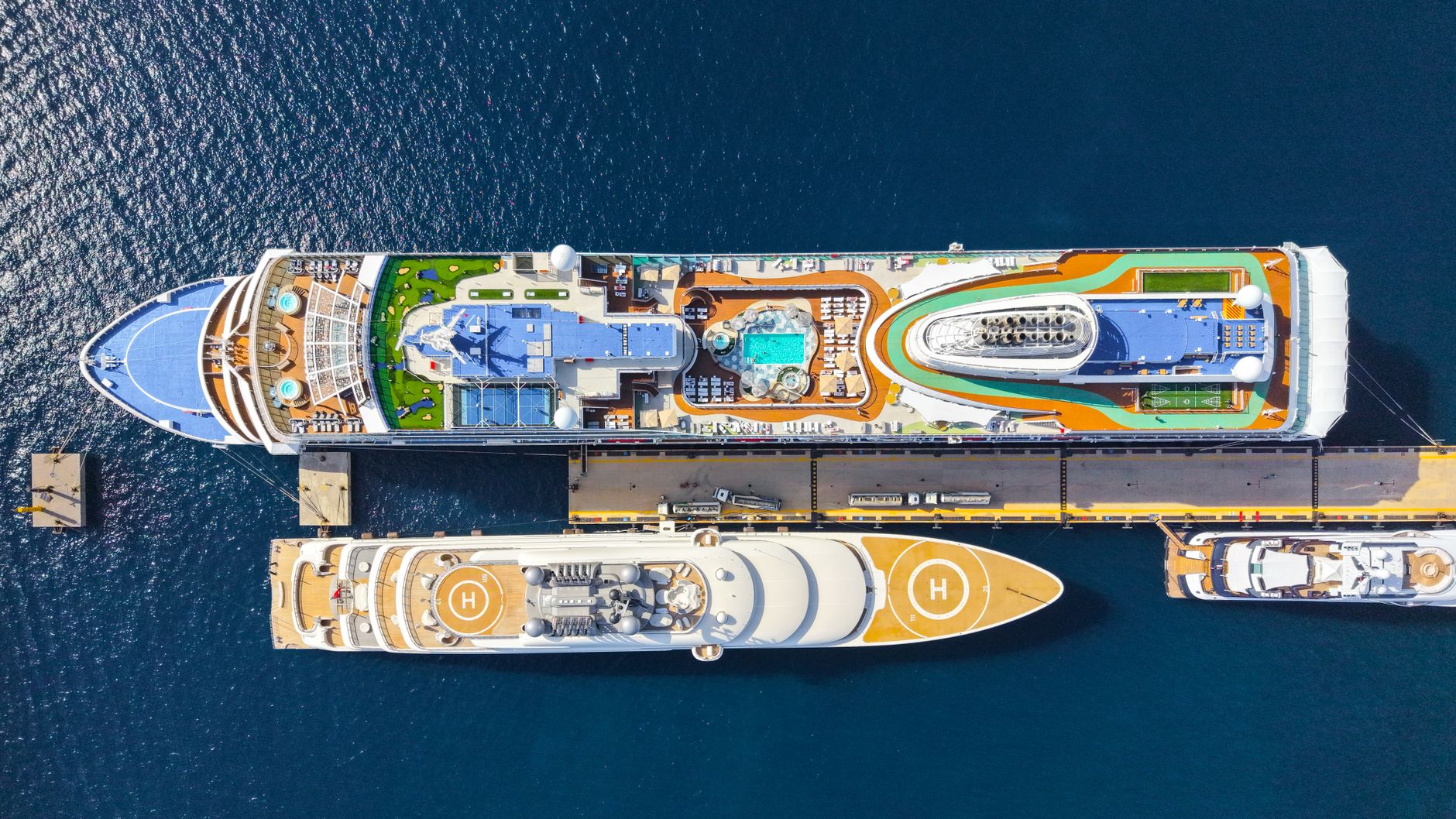
Two sisters from California are among the 203 passengers, most of whom are Americans, who found themselves stranded in Cambodia after the Villa Vie Residences cruise ship halted its months‑long residential itinerary. The Florida‑based operator cited “extraordinary” increases in fuel costs as the reason for suspending operations, according to a company statement and reporting by the Associated Press.
Fuel price surge drives suspension
The Fort Lauderdale company explained that the jump in fuel expenses created “unsustainable financial pressure.” Diesel prices in the United States have risen from an average of $3.68 per gallon a year ago to $6.32 on the Friday before the suspension, as reported by the American Automobile Association. For the ship’s Asian leg, the company said fuel costs per cabin climbed from roughly $1,800 a month to as high as $8,000 a month, an increase of about $5,000 per cabin each month. The operator said it could not pass the full increase on to residents and therefore chose to pause the voyage while it explored restructuring and recapitalization options.
Impact on passengers
The MV Odyssey, which set sail from Belfast two years ago, marketed the voyage as a “new model of global living at sea,” encouraging people to make the ship their permanent home. Prices for a suite for the lifetime of the vessel started at approximately $230,000. Passengers such as Carol Larson, 69, and her sister Crystal Lavering, both from California, had each paid substantial sums – Larson disclosed she paid $120,000 in installments plus ongoing maintenance fees, while her sister purchased her own cabin.
Larson said she was promised the possibility of living aboard for up to 15 years. Despite the abrupt end, she expressed no regret about the investment, describing the experience as “a wonderful opportunity.” She linked the financial strain to broader geopolitical factors, blaming President Trump’s decision to engage in conflict with Iran for squeezing petroleum shipping routes and contributing to the spike in oil prices.
Another former passenger, Sharon Lane, 78, now residing in Orange County, recounted that she had left the ship in August for health reasons but had observed financial strain earlier. Lane said the cruise had asked passengers to cover additional fuel fees and had cut back on food. In recent weeks, she reported that many disembarked passengers received little or no assistance in securing temporary housing or flights, describing the situation as feeling “like giving the bum’s rush.”
Company response and next steps
The cruise line indicated it is working with affected customers to arrange temporary living accommodations, though the Associated Press noted that many passengers said they received minimal support after the sudden termination. The company’s statement emphasized that it is evaluating restructuring and recapitalization alternatives while it addresses the extraordinary fuel cost increases.
With the ship halted in Cambodia, more than 200 passengers remain in the country awaiting further assistance. The situation highlights the vulnerability of novel residential cruise models to volatile fuel markets and geopolitical events, and raises questions about consumer protections for long‑term cruise investments.

Norman Pearlstine is the Executive Editor and Co-Founder at News Raise. With over two decades of experience across financial journalism, corporate governance, and market analysis, Norman leads the editorial direction and ensures strict adherence to journalistic accuracy and ethics.