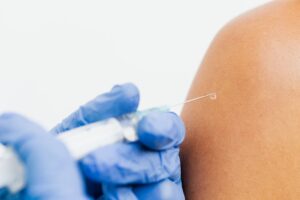
Rates of life‑threatening bleeding in U.S. infants have climbed sharply since 2017, according to two studies published Thursday in JAMA and JAMA Pediatrics. The research ties the increase to a steady rise in parental refusals of the routine vitamin K injection given to newborns.
Rising refusals and bleeding incidents
Vitamin K, essential for blood clotting, has been administered to newborns in the United States for more than six decades. The Centers for Disease Control and Prevention (CDC) does not currently track either vitamin K refusals or related bleeding events, but the new analyses provide the first national‑level view of the trend.
One study led by Dr. Kristan Scott of the Children’s Hospital of Philadelphia examined medical records for more than 5.2 million infants born between 2017 and 2025. The researchers found that the proportion of babies who did not receive a vitamin K shot rose from 3.1 % in 2017 to 6.8 % in 2025, more than doubling over the period. The refusal rate was 5.1 % at the close of 2024 and exceeded 5 % in 2024, marking a 77 % increase since 2017.
A second, larger study by Dr. Steven Woolf of Virginia Commonwealth University analyzed records for roughly 11 million infants aged six months or younger from 2017 through 2025. During that span, the percentage of newborns who received a vitamin K injection slipped from 97.7 % to 95 %. In the same period, vitamin K deficiency‑related bleeding events nearly quadrupled, with a total of 5,217 bleeding incidents recorded. Woolf noted that the bleeding rate in 2025 was approximately double the rate observed in 2024.
Risk differentials for untreated infants
Both studies reported markedly higher risks for infants who missed the vitamin K shot. Scott’s team calculated that babies without the injection faced a 47 % greater chance of any bleeding episode within the first six months of life compared with those who received it. The risk of intracranial bleeding more than doubled, and the likelihood of death linked to a bleeding diagnosis during the newborn hospital stay also rose.
The authors estimated that for every 114 newborns who forego the vitamin K dose, one additional bleeding event is expected to occur. These figures underscore a clear association between the declining uptake of the standard prophylaxis and the surge in severe bleeding cases, even though the studies do not establish direct causation.
Public‑health response and political context
Health officials have taken note. In June, Representative Kim Schrier of Washington and Senator Angela Alsobrooks of Maryland urged the CDC to begin tracking vitamin K‑related bleeding events. A Department of Health and Human Services spokesperson confirmed that the CDC still recommends the injection but declined to comment on future tracking plans.
Dr. Elizabeth Wolf, a pediatrician at Children’s Hospital of Richmond and co‑author of the VCU study, said the findings highlight the need for consistent messaging from public‑health agencies. “Similar to the recent measles outbreaks, we are seeing the real‑world implications of growing mistrust of doctors and public‑health professionals,” she said.
The rise in refusals coincides with broader skepticism toward newborn interventions that intensified after the COVID‑19 pandemic and has been amplified by statements from Health Secretary Robert F. Kennedy Jr., who has questioned vaccine safety and altered childhood vaccine recommendations. While the CDC continues to endorse vitamin K administration, the growing hesitancy among parents appears to be eroding a practice that has been the standard of care since 1961.
Analysts at health‑data firm Truveta reported an even sharper jump in vitamin K refusals during the first half of 2026, with a 57 % increase from January through June across more than one million births. The accelerating trend suggests that the issue may intensify unless public‑health messaging and monitoring are strengthened.
Together, the two studies provide a data‑driven warning that declining acceptance of a decades‑old newborn safeguard is linked to a measurable rise in serious bleeding events. Health experts emphasize that clear, consistent communication about the safety and necessity of vitamin K could help reverse the trend and protect vulnerable infants.

Mitchell Landsberg is a Senior Technology Correspondent at News Raise. He covers consumer electronics, artificial intelligence, software developments, and digital privacy trends.