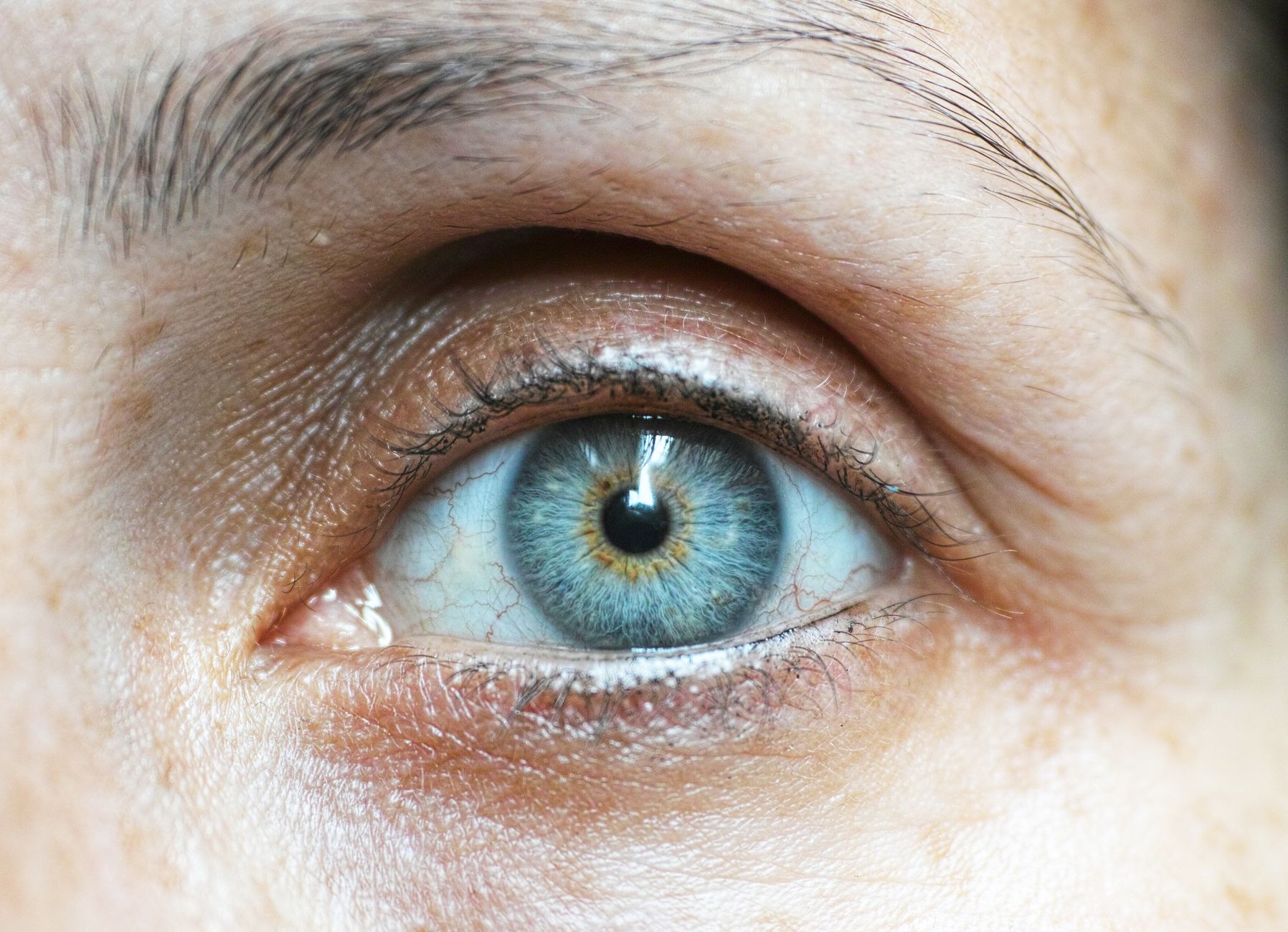
The U.S. Food and Drug Administration announced on Monday that every GLP‑1 receptor agonist marketed in the United States must now carry a warning about non‑arteritic anterior ischemic optic neuropathy (NAION), a rare eye disease that can lead to sudden, irreversible blindness. The directive applies to all products in the class, including Novo Nordisk’s Ozempic and Wegovy, Eli Lilly’s Mounjaro and Zepbound, and Sanofi’s Soliqua.
What is NAION?
NAION is an uncommon condition in which blood flow to the optic nerve is abruptly reduced, producing painless, rapid loss of vision in one eye. The disease is most frequently seen in people over age 50 and is the leading cause of acute optic‑nerve injury in that age group. Annual incidence rates range from 2.3 to 10.2 cases per 100,000 individuals older than 50, and there is currently no therapy that can restore vision once loss occurs. Known risk factors include diabetes, smoking, hypertension and high cholesterol.
FDA’s review and findings
The agency’s action follows a 2024 study published in JAMA Ophthalmology that reported an elevated risk of NAION among patients taking GLP‑1 medications. Although the FDA acknowledged methodological limitations in the study, it concluded that a deeper assessment was justified.
In its own analysis, the FDA examined 126 clinical trials involving more than 134,200 participants. The review identified 15 probable NAION cases: ten among patients receiving GLP‑1 therapies, five among those on placebo, and none among individuals using other glucose‑lowering drugs. This translated to an incidence of 6.4 cases per 100,000 person‑years for GLP‑1 users, compared with 3.8 cases per 100,000 person‑years for placebo or alternative treatments.
“NAION cases have been reported for all currently marketed GLP‑1 RA products,” the agency said, adding that the evidence points to a potential increased risk of these rare events in patients on GLP‑1 drugs. Consequently, the FDA is requiring manufacturers to add information about NAION to the “Warnings and Precautions” section of each product’s label.
Industry response
In response, Novo Nordisk told the Guardian that it does not believe the data establish a cause‑and‑effect relationship and remains confident in the benefit‑risk profile of its GLP‑1 medicines. The company emphasized that patient safety is a top priority and that it continues to monitor emerging safety data and collaborate with health authorities worldwide.
Eli Lilly and Sanofi were contacted for comment; Eli Lilly previously indicated awareness of publications linking GLP‑1 use to NAION risk. The FDA’s move arrives amid broader concerns raised by the Access to Medicine Foundation, a Netherlands‑based nonprofit, which warned that the intense focus on GLP‑1 weight‑loss drugs could jeopardize global insulin supplies.
GLP‑1 receptor agonists are primarily prescribed to manage blood‑sugar levels in people with type 2 diabetes, but several agents have also received approval for obesity treatment. Their popularity has surged, with some individuals seeking the drugs for cosmetic weight‑loss purposes rather than medical necessity. The new labeling requirement aims to ensure that prescribers and patients are aware of the rare but serious visual‑loss risk, allowing informed decision‑making about therapy.
Health professionals are advised to consider patients’ existing NAION risk factors—such as diabetes, hypertension, smoking status and cholesterol levels—when evaluating GLP‑1 treatment options. Early detection of visual changes remains critical, as the condition progresses rapidly and vision loss is typically permanent.
The FDA’s directive underscores the agency’s commitment to updating drug safety information as new evidence emerges, balancing the therapeutic benefits of GLP‑1 agents against potential adverse events that, while uncommon, can have profound consequences for affected individuals.

Helene Elliott is the Lead Science & Space Reporter at News Raise. She reports on aerospace missions, astrophysics discoveries, quantum research, and environmental technology.