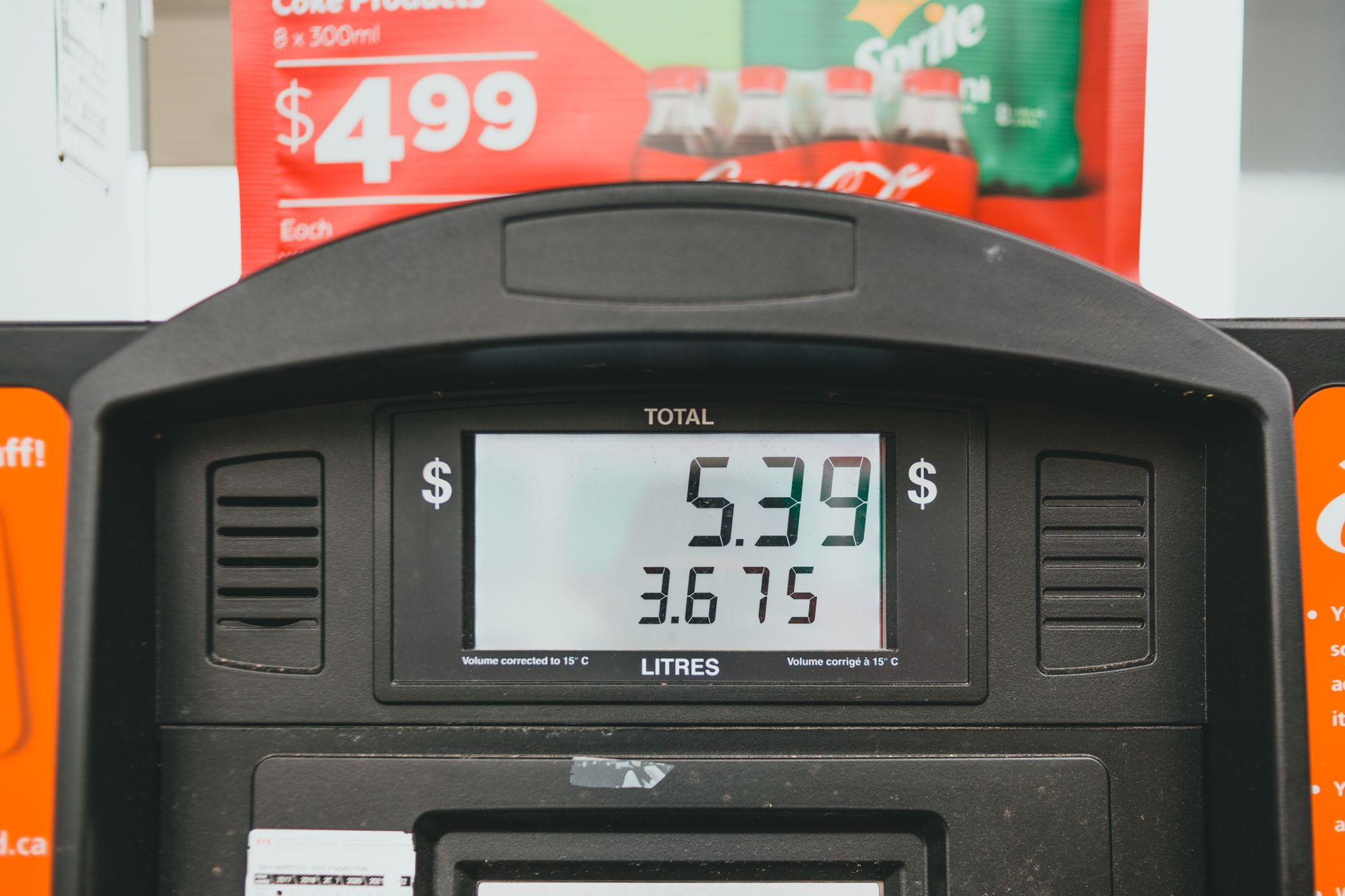
For the first time in several months, the national average price of a gallon of regular gasoline slipped below the $4 mark, according to the American Automobile Association (AAA). The price fell to $3.94 on Tuesday, a decline of roughly 40 cents over the past month, with the steepest drop occurring in the last two weeks.
Seasonal factors ease demand
Industry analysts attribute the price dip primarily to seasonal dynamics rather than political developments. Patrick De Haan, head of petroleum analysis at GasBuddy, wrote in his newsletter that the reduction is a “myth” if linked to the election and instead reflects a “seasonal shift, not politics, driving the relief at the pump.”
Fall typically brings lower gasoline consumption as colder weather reduces driving mileage. AAA notes that fewer trips translate into a modest surplus of fuel on the market. Additionally, refineries complete their annual maintenance cycles by late fall, adding further supply.
Another seasonal element is the switch from summer to winter gasoline blends. Summer blends are formulated to reduce evaporative emissions, while winter blends contain more butane, which lowers production costs and aids engine start‑up in colder temperatures. The usual transition date is around September 15, but the Environmental Protection Agency and the Department of Energy advanced the switch to September 1 this year, citing price pressures linked to the conflict in Iran.
Crude oil price decline fuels pump relief
The most significant driver, according to Jorge León, head of geopolitics at Rystad Energy, is the falling price of Brent crude oil, now hovering near $90 a barrel. Brent is the benchmark crude that refineries use to produce gasoline, diesel and jet fuel, so its price directly influences pump prices.
León explains that the Brent decline stems from a modest increase in Middle‑East oil flows through pipelines and from market optimism about intensified diplomatic engagement between the United States and Iran. He cautioned, however, that any escalation of the conflict could reverse the recent price gains, noting that renewed military action could quickly push oil and gasoline prices back up.
Political context also plays a role. Congressional Democrats have voiced support for ending the Iran war and, while they cannot directly halt hostilities, they control budgetary approvals that could affect war funding and key appointments.
Outlook and constraints
Jaime Brito, executive director of refining and oil markets for Dow Jones Energy, warned that the current dip does not signal a full return to pre‑conflict price levels. To achieve the lower prices seen before the Iran war, the entire oil supply chain would need to normalize: ships would have to abandon longer alternative routes around the Strait of Hormuz, refineries would need to process sufficient crude, and global stockpiles would have to be rebuilt. Brito estimates that such a reset could take several months even after a lasting peace agreement.
Despite the recent drop, AAA maintains that gasoline prices remain the highest ever recorded for this time of year, underscoring that the $4‑per‑gallon figure is still elevated relative to historical seasonal averages.
Analysts agree that as long as Brent crude continues its downward trajectory, pump prices are likely to stay below $4 for the near term. However, any resurgence of geopolitical tension or supply chain disruptions could quickly reverse the trend.

Helene Elliott is the Lead Science & Space Reporter at News Raise. She reports on aerospace missions, astrophysics discoveries, quantum research, and environmental technology.