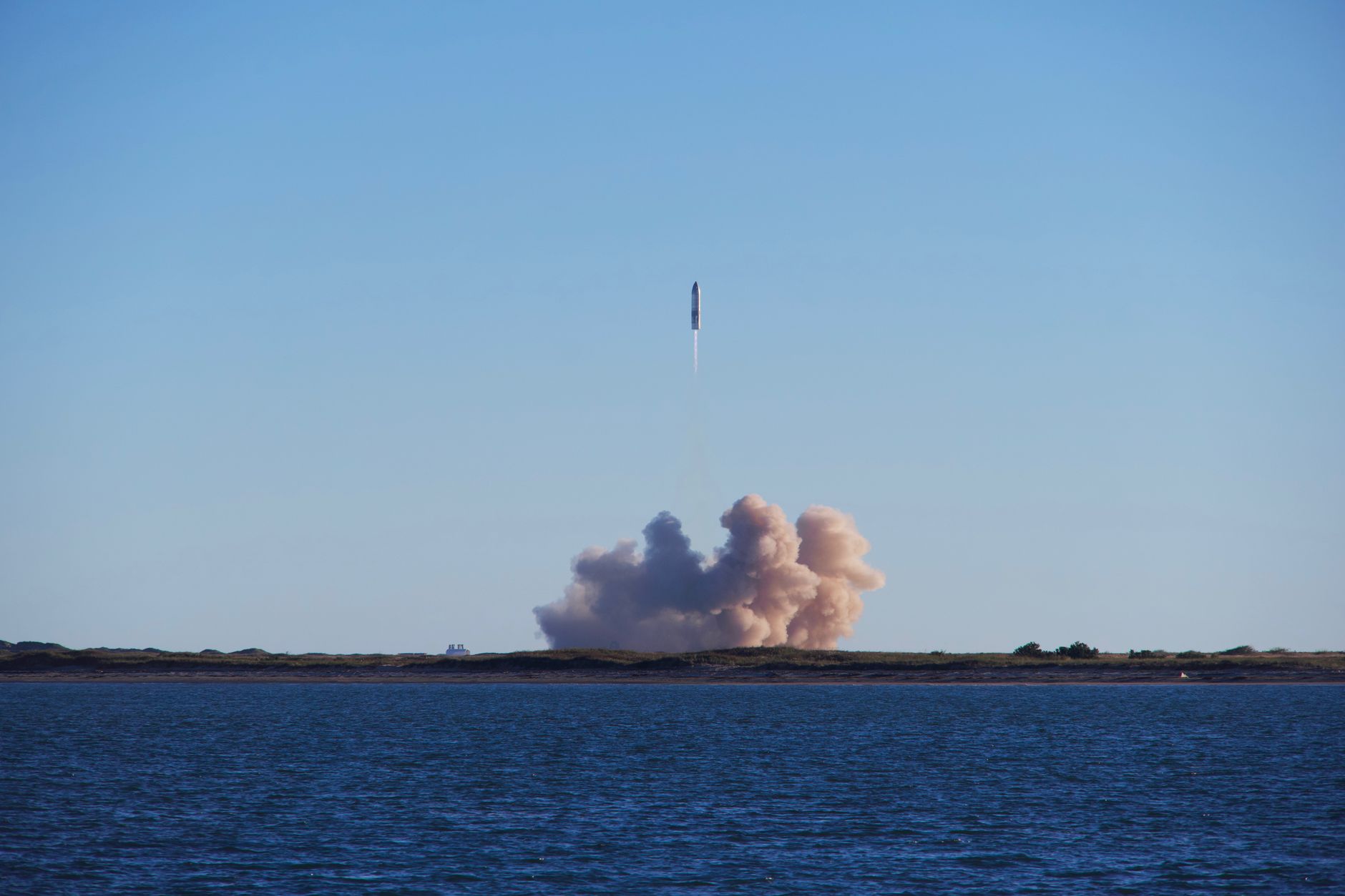
United Launch Alliance (ULA) reported that its Vulcan rocket, carrying 40 Amazon low‑Earth‑orbit broadband satellites, fell back to Earth minutes after liftoff on Sunday. The failure, which occurred roughly ten minutes into the flight, is expected to ground the launch vehicle for an indefinite period, affecting both ULA’s upcoming national‑security missions and Amazon’s plans to expand its satellite broadband network.
Launch Failure Details
The launch took place from Cape Canaveral Space Force Station in Florida at 12:40 p.m. EDT (17:40 UTC). Initial performance of the six solid rocket boosters appeared nominal for the first two minutes, but an anomaly was reported at the ten‑minute mark. ULA’s statement confirmed that the rocket “suffered an anomaly 10 minutes into the flight and failed to deliver the Amazon mission to orbit.” The company added that it did not immediately have any specific data to explain the cause of the failure.
According to ULA, the rocket and its payload fell back to Earth, ending the mission before the satellites could be deployed. The agency emphasized its commitment to “assured access to space” for national‑security customers and commercial partners, noting that the outcome fell short of its standard of mission success.
Impact on ULA and Amazon
The Vulcan launch was the first of 38 scheduled Vulcan flights that Amazon has booked to build out its broadband satellite constellation, a network intended to compete with SpaceX’s Starlink service. In addition, Vulcan is contracted to launch roughly half of the United States military’s national‑security space missions over the next few years. The abrupt loss of the launch vehicle therefore creates a ripple effect across multiple sectors of the U.S. space industry, potentially delaying both commercial broadband expansion and defense‑related payload deliveries.
ULA’s engineering teams will now conduct a thorough investigation to “find the cause, determine the appropriate corrective action, and return to flight as quickly as possible,” according to the company’s statement. The indefinite grounding suggests that no new Vulcan flights are likely to proceed until the investigation yields actionable findings.
Previous Vulcan Setbacks and Future Outlook
Vulcan is not new to close calls. The vehicle has previously encountered failures with its strap‑on solid rocket boosters on two of its four earlier flights. In each of those instances, the rocket corrected the issue and successfully reached orbit, though the incidents triggered months‑long reviews and investigations before ULA could resume Vulcan operations.
Sunday’s anomaly differs from the earlier booster‑related problems, as the boosters performed well during the initial two minutes of flight. The nature of the new failure remains unclear, and ULA has not released detailed telemetry or diagnostic data at this time.
Given the strategic importance of the Vulcan program for both national‑security launches and high‑profile commercial missions, stakeholders will be watching the investigation closely. A swift resolution could help restore confidence in the vehicle’s reliability and keep Amazon’s satellite deployment schedule on track, while a prolonged delay may open opportunities for competing launch providers.
For now, ULA’s focus remains on diagnosing the anomaly, implementing corrective measures, and returning the Vulcan rocket to flight status. The outcome will shape the trajectory of upcoming launches and influence the broader dynamics of the U.S. commercial space market.

Norman Pearlstine is the Executive Editor and Co-Founder at News Raise. With over two decades of experience across financial journalism, corporate governance, and market analysis, Norman leads the editorial direction and ensures strict adherence to journalistic accuracy and ethics.