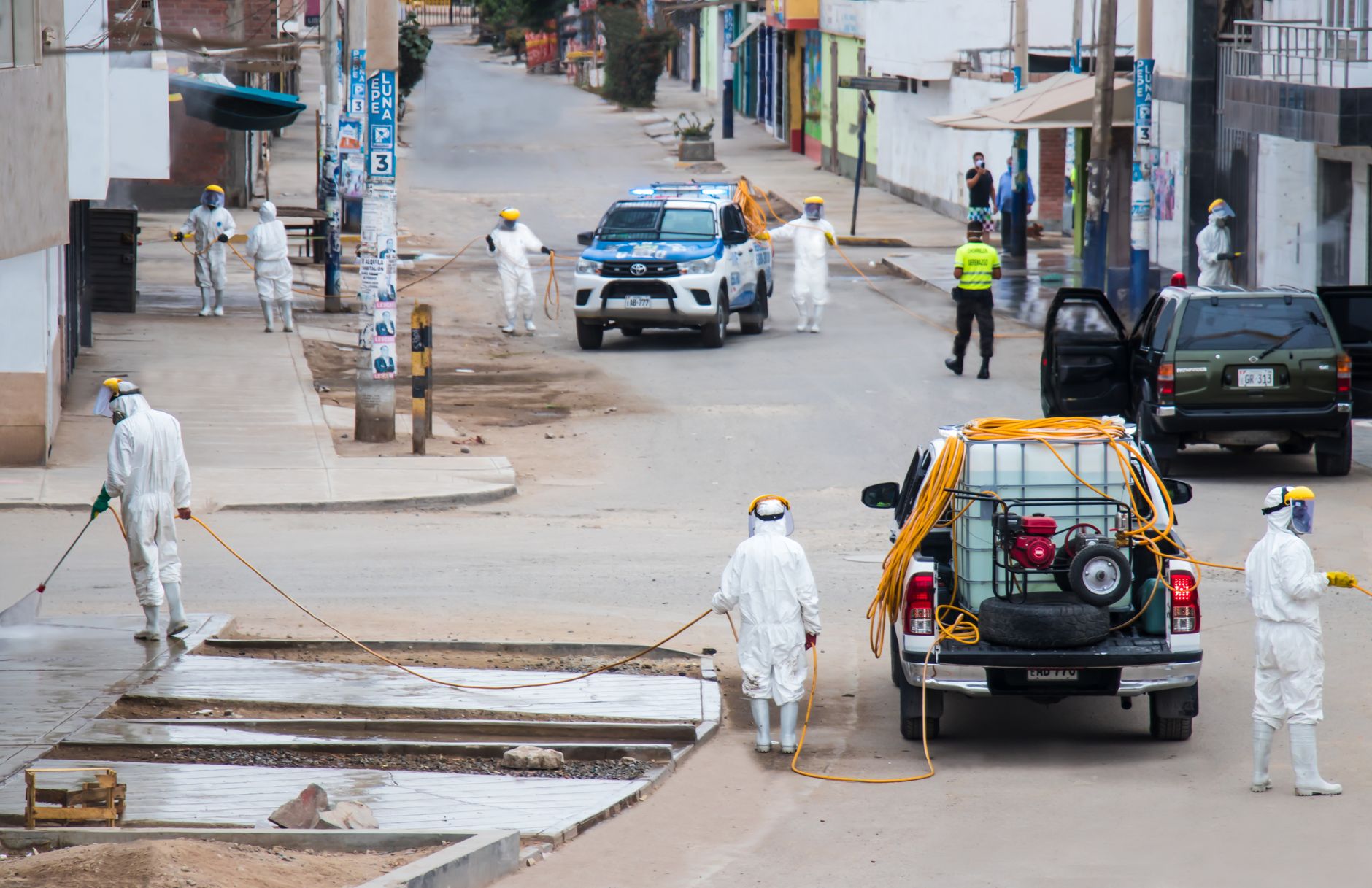
African health officials warned on Sunday that the Ebola epidemic in the Democratic Republic of the Congo (DRC) has not been contained six months after it was first announced. The Africa Centres for Disease Control and Prevention (Africa CDC) said the outbreak continues to pose a serious threat, with official figures showing more than 11,200 infections and roughly 5,500 fatalities.
Scale and Spread
The disease is driven by the rare Bundibugyo strain of the Ebola virus, which typically causes haemorrhagic fever and has a case‑fatality rate of about 50 %. Since the first case was reported on May 15, the virus has spread across eight of the DRC’s 26 provinces, marking the widest geographic distribution of any Ebola outbreak on the continent to date. Cases have been identified not only in the east, but also in central and western parts of Africa, extending the reach beyond the country’s borders.
Health authorities note that more than 80 % of new infections are emerging among individuals who are not on existing contact lists, and over 65 % of deaths have occurred in community settings rather than in treatment centres. This pattern underscores the difficulty of tracing transmission chains and the high level of community spread.
Operational Challenges
Several factors have accelerated the spread, including delayed case detection, ongoing conflict in affected regions, and overstretched health services. Coordination between the DRC government and international donors has also been problematic. Africa CDC described the funding situation as a “collective failure,” pointing out that only $1.3 billion of the $2.9 billion pledged by donors has been disbursed.
The agency emphasized that it is working closely with authorities in Kinshasa to avoid duplication of effort and to ensure that health‑worker payrolls, which have been delayed for months, are digitised and paid promptly.
Vaccine Trials and Outlook
Containment is further hampered by the lack of a vaccine or treatment specifically targeting the Bundibugyo strain. Earlier this month, the World Health Organization (WHO) approved clinical trials for two new Ebola vaccine candidates and expects initial results by early 2027. WHO Director‑General Tedros Adhanom Ghebreyesus noted that transmission appears to be slowing in several early epicentres and that the trials, including the Tumaini study, are progressing rapidly.
According to WHO data, at least 3,000 patients have recovered from Ebola virus disease in the DRC and have been discharged home. Nevertheless, Africa CDC officials maintain that the outbreak remains “serious” and “still not under control,” urging intensified efforts to curb community transmission, secure full donor funding, and accelerate vaccine development.

Mitchell Landsberg is a Senior Technology Correspondent at News Raise. He covers consumer electronics, artificial intelligence, software developments, and digital privacy trends.