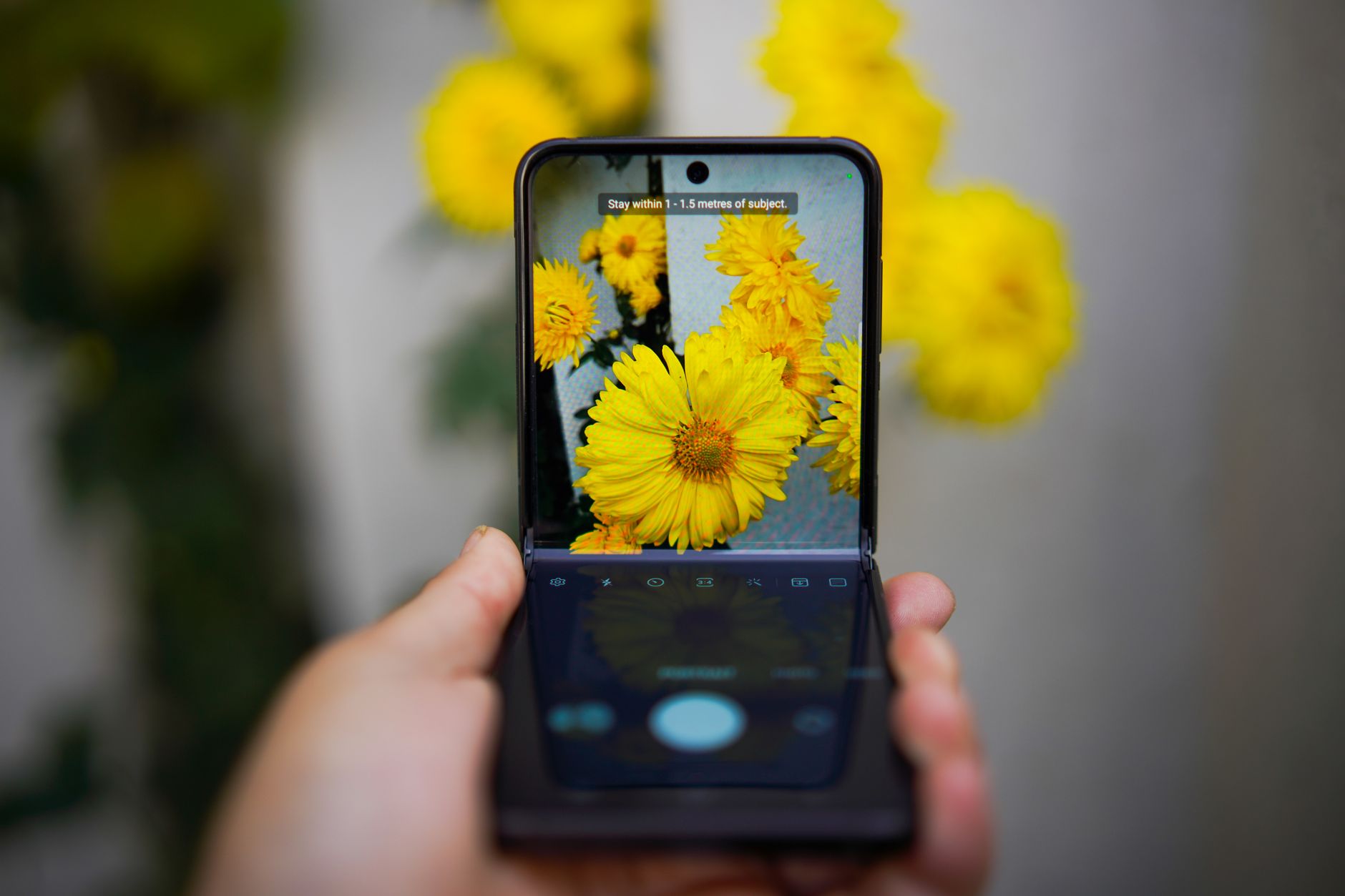
Google announced that, beginning in April 2027, Android app developers must provide a minimum level of support for foldable devices. The new requirement, described as the “Tier 3 — Adaptive ready” standard, is intended to ensure that apps run smoothly on the growing market of foldable smartphones, following Apple’s recent launch of the iPhone Duo.
What the new tier demands
To meet the Tier 3 criteria, an app must fill the available screen space without resorting to letterboxing or compatibility modes. It also has to preserve its state—such as scroll position, text entry, and media playback—when the device is rotated, folded, unfolded, or resized. Additionally, apps must operate correctly in multi‑window environments. Google’s tiered framework also includes “Adaptive optimized” and “Adaptive differentiated” levels, which allow developers to take further advantage of foldable capabilities, but Tier 3 represents the baseline for compliance.
Impact on developers and the Play Store
Developers who do not meet the Tier 3 standard after the April 2027 deadline risk being blocked from publishing new apps or updating existing ones on Google Play. Even if an app remains available, reduced visibility in the store’s listings is also possible. As part of the compliance process, developers must upload three screenshots that demonstrate how their app adapts to a foldable form factor. These screenshots can be added to app listings starting now, but they become a mandatory component of the store entry once the deadline arrives.
Game developers face a slightly different timeline. While they must also provide three foldable screenshots beginning in April, the overall readiness deadline for games is extended to August 2027. Google indicated that it plans to broaden similar requirements to other large‑screen devices, such as tablets and the upcoming Googlebook laptops, in future phases.
The policy shift comes only weeks after Apple introduced the iPhone Duo, which already boasts more than 200,000 apps optimized for its foldable design. Despite that figure, some developers are still adapting to Apple’s foldable form factor, highlighting the challenges of supporting dual‑screen hardware across platforms.
By setting clear technical standards and tying them to Play Store visibility, Google aims to create a more consistent user experience on Android foldables. The move also signals the company’s recognition that foldable devices are moving from niche prototypes to mainstream products, prompting a coordinated effort across the Android ecosystem.
Developers interested in preparing for the new requirements can begin testing their apps on existing foldable devices or using Android’s emulator configurations that simulate folding and unfolding actions. Early adoption of the Tier 3 guidelines may also help developers avoid potential disruptions when the enforcement date arrives.

Steve Lopez is a Senior Editorial Columnist and Health & Public Policy reporter for News Raise. Steve focuses on healthcare advancements, medical technologies, and public health policies.