Scientists co‑led by Boston University have reported that a specific protein in the blood appears at markedly higher levels in individuals with advanced chronic traumatic encephalopathy (CTE). The discovery, presented at a Boston conference and published in JAMA, suggests a future avenue for diagnosing the degenerative brain condition while patients are still alive.
Study design and findings
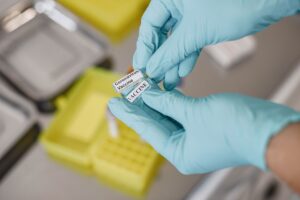
The investigation examined blood drawn from 21 former football players—ranging from high‑school to professional levels—who had agreed to donate their brains after death. Eighteen of the participants were confirmed to have CTE, and most of those cases were classified as advanced disease.
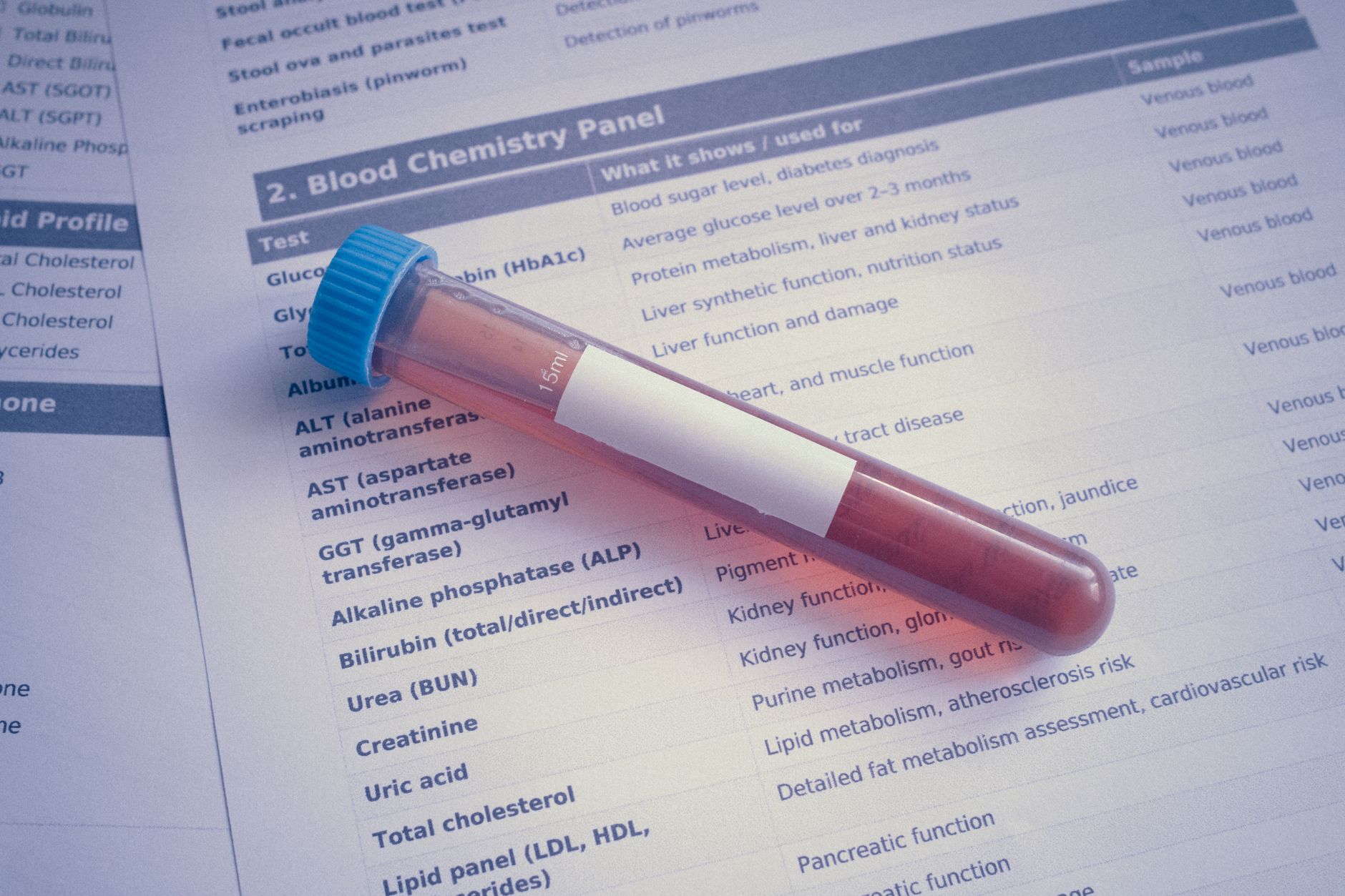
Researchers focused on a protein that could serve as a peripheral marker for tau tangles, the abnormal brain structures characteristic of both CTE and Alzheimer’s disease. Analysis of the final blood samples taken before each donor’s death showed that athletes with higher‑stage CTE exhibited substantially greater concentrations of this protein than those with early‑stage disease or no CTE at all.
“What was really quite striking was just the difference,” said Michael Alosco, co‑senior author and co‑director of clinical research at the BU CTE Center. “The high‑stage CTE concentrations were just so much higher than anyone else, and that really stood out.” The highest protein levels were observed in individuals who had both CTE and Alzheimer’s, while a second Alzheimer’s‑related protein showed no association with CTE, indicating potential for distinguishing the two disorders.
Expert reactions and limitations
External experts praised the finding as “exciting for the field” but cautioned that the sample size was too small to establish diagnostic thresholds. Dr. Ramon Diaz‑Arrastia of the University of Pennsylvania noted, “It’s really just a hint. The sample size was way too small for us to make any guesses.” Similarly, Derek Monroe of UNC Chapel Hill emphasized that the participants were not representative of the broader football‑playing population and that few early‑stage cases were included.
Both researchers agreed that any future diagnostic strategy will likely require a combination of biomarkers, imaging tools, and clinical assessment rather than reliance on a single blood test.
Implications for diagnosis and future research
Although no approved blood test for CTE exists, the study adds to a growing body of evidence that blood‑based biomarkers can reflect brain pathology. A recent, separate JAMA‑published study from Washington University in St. Louis identified a related protein that also rose in advanced CTE, reinforcing the notion that multiple independent methods are converging on similar conclusions.
Alosco expressed optimism that larger studies could validate the finding. “In a not so distant future, we’ll be able to do a larger one of these studies to validate it in a bigger sample,” he said. Ongoing brain‑donation programs and expanding participant pools are expected to facilitate such efforts.
The human impact of the research was illustrated by the story of Richard McElroy, a former Mississippi State University player who was diagnosed with stage 4 CTE after his brain was donated. His family described his late‑life personality changes and expressed hope that his contribution might help others, despite wishing a diagnosis could have come sooner.
While the results remain preliminary and firmly in the “discovery phase,” they represent a long‑awaited step toward understanding how repeated head trauma translates into measurable changes in the living brain. If subsequent investigations confirm these protein levels as reliable indicators, clinicians may eventually have a minimally invasive tool to screen athletes, military personnel, and others at risk for CTE, potentially guiding earlier interventions and more targeted research into treatment options.

Steve Lopez is a Senior Editorial Columnist and Health & Public Policy reporter for News Raise. Steve focuses on healthcare advancements, medical technologies, and public health policies.