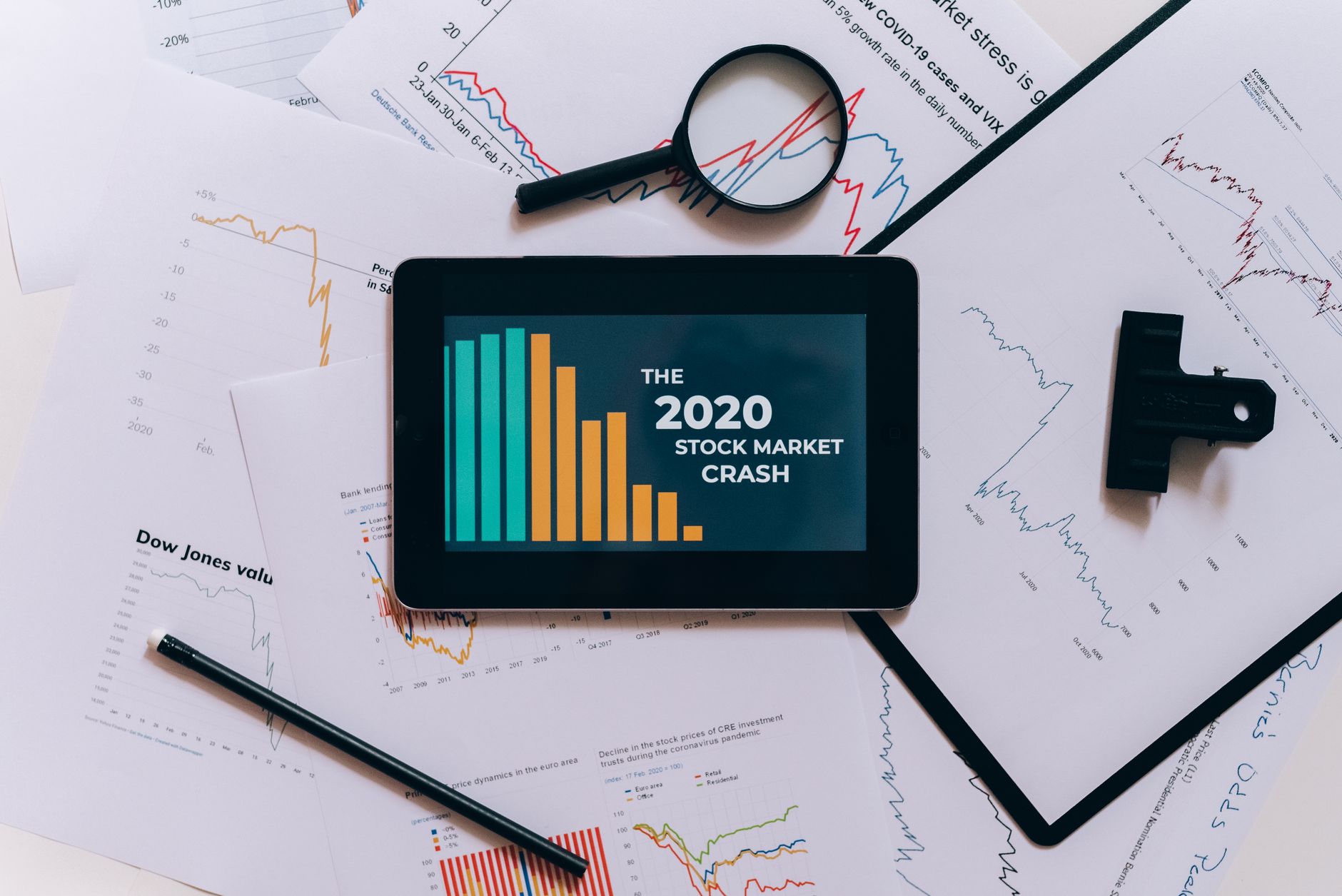
U.S. equity markets endured a sharp decline on Friday, pushing the S&P 500 and Dow Jones Industrial Average into correction territory and leaving the Nasdaq Composite with a year‑to‑date loss. Even the much‑anticipated IPO of AI lab Anthropic could not lift the broader market, as its debut share price fell on the same day.
Correction milestones and technical signals
Analysts highlighted several technical warning signs. Adam Turnquist, chief cross‑asset strategist at LPL Financial, noted that the S&P 500 slipped below its 20‑day moving average on Friday, a move he described as “technical damage is mounting.” He added that a break below the 200‑day moving average does not automatically herald a bear market, but emphasized that stability in the AI trade and support around the 7,000 level will be crucial for any durable recovery.
David Morrison, senior market analyst at TradeNation, observed that the S&P 500 also breached multiple key support levels. Despite the breach, Morrison cautioned against declaring the end of the AI‑fuelled bull rally, arguing that the market appears oversold and could rebound quickly.
Analyst perspectives on the AI trade
Ed Yardeni, founder of Yardeni Research, linked the recent turbulence to the fallout from Nvidia CEO Jensen Huang’s personal scandal and resignation. Yardeni said, “the Jensen Huang mess has certainly burst Nvidia’s bubble,” and suggested that the deflation of the AI bubble may reduce the risk of a broader economic recession.
Dan Ives, founder of Yorkville Ives, identified seven factors behind the week’s weakness, including concerns over anti‑data‑center legislation, Huang’s departure, and potential tighter export controls on semiconductor chips. Nonetheless, Ives maintained a bullish stance, noting that the $4 trillion AI build‑out remains on track and his tech thesis extends to 2027.
Gene Munster, managing partner at Deepwater Asset Management, said three‑quarters of market participants believe the AI bubble has popped, yet he personally views the dip as a buying opportunity that could clear before companies report fourth‑quarter earnings.
Valuation and risk considerations
Michael Kantrowitz, chief investment officer at Piper Sandler, warned that price‑to‑earnings ratios are increasingly driven by a growing list of risks, including oil price volatility, Federal Reserve policy, inflation, geopolitical tensions and Nvidia‑related exposure. He suggested that P/E multiples will stop falling only when the uncertainty list contracts.
Financial commentator Michael A. Arouet bluntly questioned the logic behind recent AI‑related valuations, asking why investors purchased “names at multi‑trillion valuations” expecting them to double within three months.
Gordon Johnson, CEO of GLJ Research, attributed the sell‑off in part to a strengthening U.S. dollar that forced leveraged investors to liquidate positions, creating a cascade of broker‑driven sales that further depressed prices.
Investor Michael Burry, known from “The Big Short,” reiterated his long‑standing skepticism of the AI boom, citing “circular financing” among chip makers and cloud providers. He said he had supplied information that could be used to sell, though he stopped short of issuing a short recommendation.
Collectively, these viewpoints suggest that the market’s recent pain reflects both technical deterioration and a reassessment of lofty AI‑related valuations. While some market participants see the dip as a temporary overshoot, others believe the AI trade may be approaching its final growth phase. The coming weeks, especially after the release of Q4 earnings, are likely to clarify whether the current sell‑off marks a brief correction or a more sustained shift in sentiment toward AI‑centric stocks.

Helene Elliott is the Lead Science & Space Reporter at News Raise. She reports on aerospace missions, astrophysics discoveries, quantum research, and environmental technology.