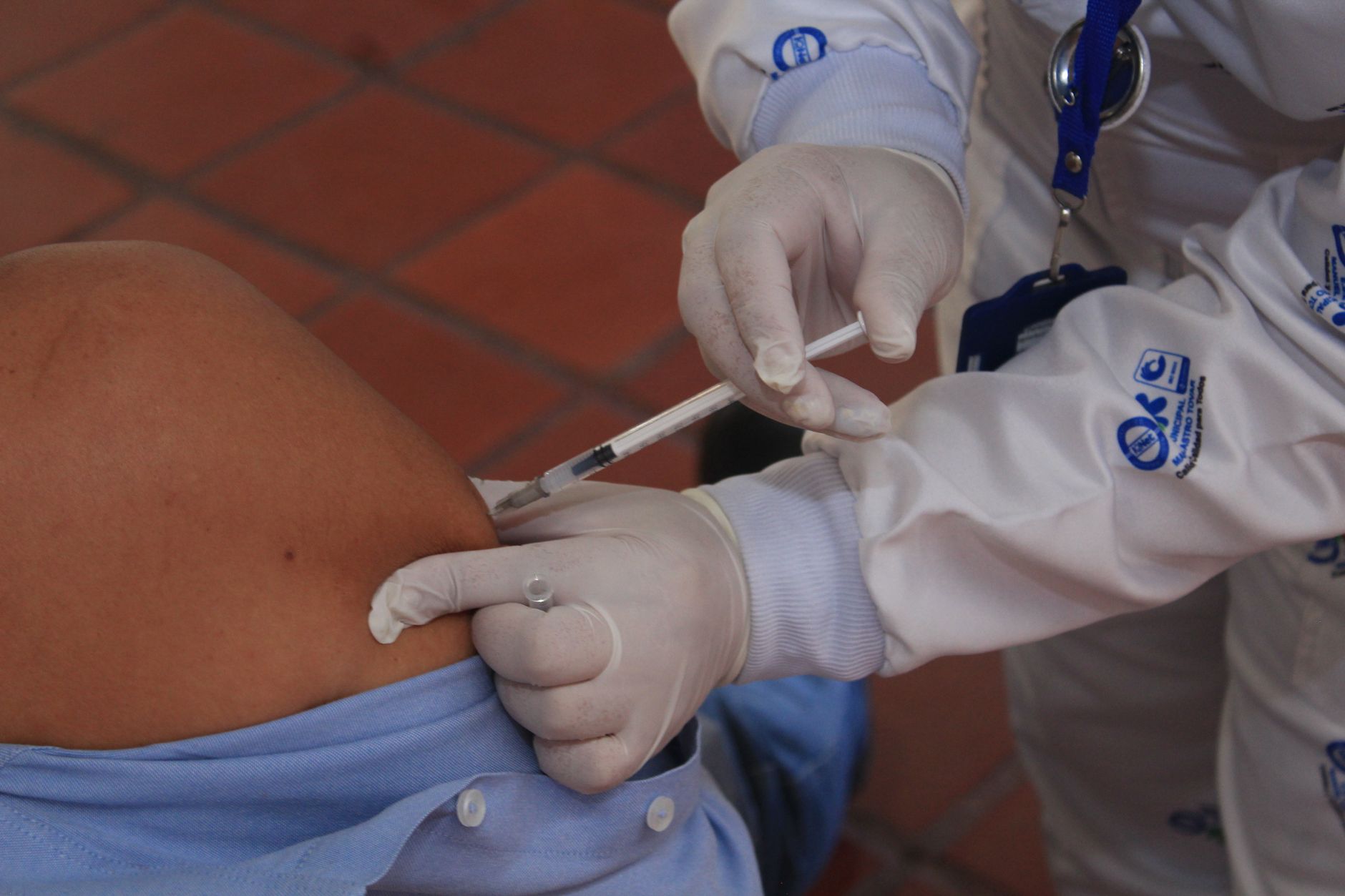
Earlier this month the U.S. Food and Drug Administration gave the green light to a generic formulation of lenacapavir, an HIV drug originally created by Gilead Sciences in Foster City, California. The medication is administered by injection twice a year and has demonstrated more than 95% efficacy in preventing HIV acquisition.
Pricing, licensing and global reach
Gilead has entered licensing agreements with six pharmaceutical firms to produce and distribute generic lenacapavir in 120 low‑ and middle‑income nations, pending local regulatory approval. The price has been set at US$40 per person per year, a figure intended to make the drug affordable enough to contribute meaningfully to global HIV control.
Modeling by the Gates Foundation’s Institute for Disease Modelling suggests that, in Africa, new infections could fall by roughly one‑third if 5% of adults at highest risk received the drug, and by half if coverage rose to 20%.
Challenges beyond the drug
While lenacapavir could curb transmission, experts note several practical limits. Identifying the individuals who would benefit most is not straightforward, and the drug must be taken for the majority of a person’s sexually active life to remain protective. Even at US$40 annually, the cost may be out of reach for people living on the lowest incomes.
Compounding these challenges, the United States halted its primary funding for antiretroviral drugs in low‑ and middle‑income countries in January 2025. Although a limited amount of financing was later restored, a survey released earlier this year reported the closure of about 1,700 facilities that previously provided HIV treatment.
Vaccine research under pressure
At the same time, progress on an HIV vaccine is gaining momentum. A recent Nature News feature highlighted advances in “germline targeting,” a strategy designed to stimulate rare, broadly neutralizing antibodies capable of blocking diverse HIV strains. The approach has produced promising results in animal studies and early‑phase human trials, renewing optimism that an effective vaccine could emerge within the next decade.
Nevertheless, the pre‑clinical vaccine program run by the U.S. National Institutes of Health was terminated last year, forcing researchers to scale back work and seek alternative, less predictable funding sources. The cuts have also delayed a vaccine trial in South Africa and hampered surveillance projects tracking HIV evolution across the continent, according to Vincent Muturi‑Kioi of the International AIDS Vaccine Initiative.
“The funding cuts that happened in the past couple of years have really made it even more obvious how fragile that system of reliance on drug access is,” said Penny Moore, a virologist at South Africa’s National Institute for Communicable Disease. Rogier Sanders, an HIV‑vaccine researcher at Amsterdam University Medical Centre, added that a vaccine would “make you independent from access to drugs.”
Stakeholders argue that the simultaneous availability of a highly effective preventive drug and a promising vaccine candidate underscores the need for sustained investment. While lenacapavir offers an immediate tool to reduce new infections, a vaccine remains the most durable solution to the epidemic.
Experts caution that translating germline‑targeting findings into a market‑ready vaccine could still take more than a decade and may encounter additional scientific hurdles. Still, the convergence of a newly approved preventive drug and advancing vaccine research represents a rare window of opportunity. The consensus among scientists and public‑health officials is clear: funders must act now to expand lenacapavir distribution and revive robust support for vaccine development, rather than retreating from the fight against HIV.

Mitchell Landsberg is a Senior Technology Correspondent at News Raise. He covers consumer electronics, artificial intelligence, software developments, and digital privacy trends.