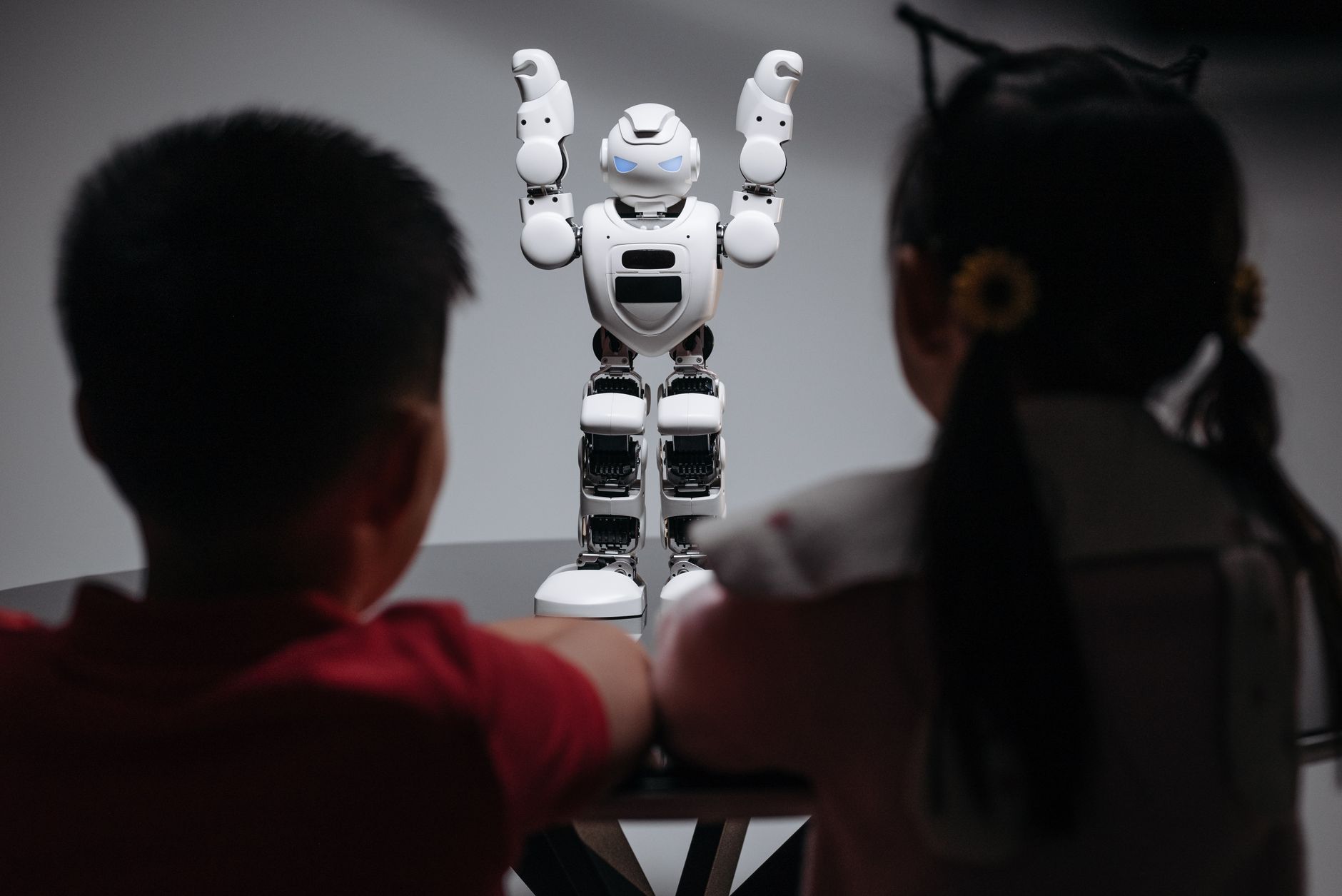
New York Governor Kathy Hochul signed legislation on Wednesday that imposes a five‑year prohibition on the manufacture and sale of toys that rely on artificial‑intelligence chatbots. The ban covers talking stuffed animals, dolls and robots that connect to the internet to hold conversations with children.
Details of the Ban
The new law bars any AI‑enabled toy from being produced or sold in the state for the next five years. Hochul, who was recently re‑elected, also previously placed a one‑year moratorium on the construction of AI data centers in New York. In announcing the toy ban, she emphasized that parents should not have to worry that “dangerous chatbots disguised as toys could expose their children to inappropriate conversations, manipulate their feelings or put their privacy at risk.” The governor described the measure as “deeply personal,” noting her roles as a mother and grandmother and her responsibility to prioritize New York families.
The legislation follows a similar California measure that instituted a four‑year moratorium on AI companion toys. Hochul’s broader AI agenda includes the “AI Chatbot Restrictions for Minors” law signed last month, which bars companies from offering certain unsafe chatbot features to minors, such as emotional‑dependency tools, self‑harm encouragement, or sexually explicit dialogue.
Concerns Driving the Legislation
A recent NBC News investigation found that the Pixie Paw Smart Interactive Plush Cat, marketed to children as young as three, disclosed graphic details about firing squads, massacres and even explained gang rape. The New York Attorney General Letitia James warned that such AI chatbots “are exposing young people to inappropriate content and putting their mental health at risk,” and pledged to enforce the new law aggressively.
The governor’s office cited a consumer‑watchdog report titled “Trouble in Toyland,” produced by the U.S. Public Interest Research Group Education Fund (PIRG). The report documented AI‑enabled toys that discussed sexually explicit topics, guided children toward potential hiding places in the home, and displayed distress when a child left the conversation. Hochul noted that many of these toys lacked robust parental controls, with safety limits weakening as conversations continued, and some were capable of recording a child’s voice or scanning their face.
Industry and Advocacy Reactions
State Senator Andrew Gounardes warned that “we don’t have to live in a Twilight Zone episode turned real,” while LaVita Tuff of Mothers Against Media Addiction argued that parents should only purchase toys that are “safe by design.” Earlier this week, a coalition of more than 155 child‑safety advocates and technology experts sent a letter to Amazon CEO Andy Jassy and eBay CEO Jamie Iannone urging the platforms to bar AI toys from their marketplaces.
Both retailers responded with statements emphasizing compliance. An eBay spokesperson said the company continuously evaluates policies, engages with regulators and adheres to applicable laws to keep its marketplace safe. An Amazon spokesperson affirmed that third‑party sellers must follow all relevant regulations and that the company supports industry and government efforts to establish appropriate guardrails as the technology evolves.

Norman Pearlstine is the Executive Editor and Co-Founder at News Raise. With over two decades of experience across financial journalism, corporate governance, and market analysis, Norman leads the editorial direction and ensures strict adherence to journalistic accuracy and ethics.