Flu activity in the United States has begun weeks ahead of the typical schedule, leaving many people unvaccinated and vulnerable. The shift coincides with a noticeable retreat of the Centers for Disease Control and Prevention (CDC) from its long‑standing public‑health campaigns, a change linked to the appointment of Health and Human Services Secretary Robert F. Kennedy Jr. in February 2025.
Early Season and Campaign Shutdown
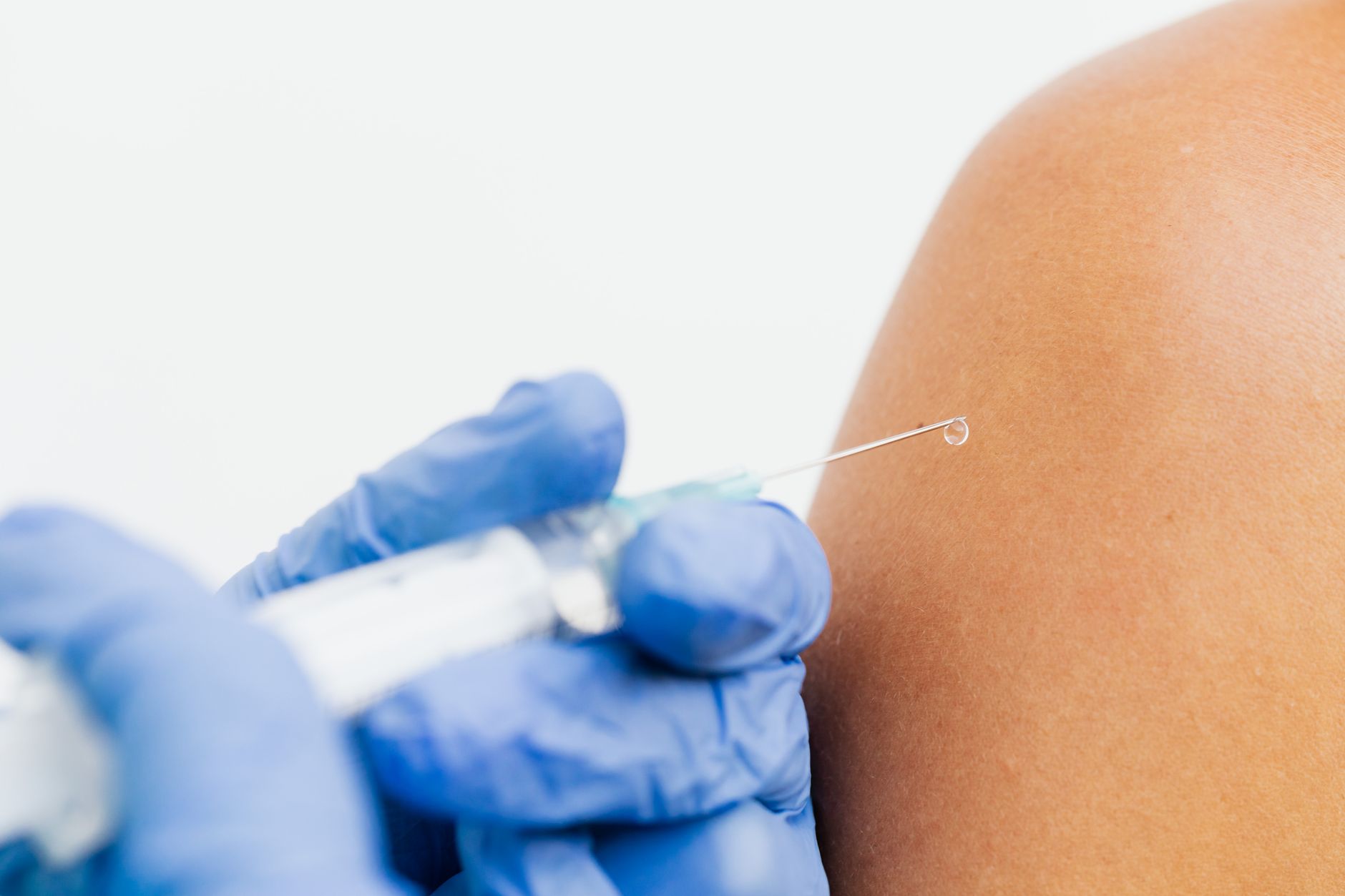
Historically, the CDC launches a national flu‑vaccine drive each August or September, followed by a second push during the first week of December, which is designated National Influenza Vaccination Week. The effort includes paid television spots, social‑media outreach and on‑camera flu‑shot demonstrations by agency leaders.
Within a day of Kennedy’s swearing‑in, he ordered the termination of the agency’s “Wild to Mild” campaign, a series of advertisements that highlighted how vaccination can reduce the severity of flu illness. Staff emails obtained by the Senate Health, Education, Labor and Pensions Committee show the campaign was pulled after only two days of paid ads remained, and it has not been reinstated.
CDC Director Dr. Erica Schwartz, who previously authored the U.S. Coast Guard’s first pandemic‑influenza protection policy and has publicly advocated for flu shots, did not appear at the usual briefing where senior officials receive their vaccinations on camera. The HHS office declined to confirm whether Dr. Schwartz herself was vaccinated this year, noting there is no requirement for her to disclose that information.
Public Health Response Gaps
Patients and clinicians are noting the absence of a coordinated national conversation. One Florida bakery owner, 58‑year‑old Stefani Ceballos, contracted flu in late September after returning from a high‑school reunion. She spent ten days bedridden, describing the illness as “clobbering” her. Ceballos, who manages Addison’s disease with steroid hormones that suppress immunity, said she was unaware that flu activity had started so early and lamented the “silence” surrounding the outbreak.
The CDC continues to publish its weekly FluView technical briefings, but its public‑facing social‑media presence has been scaled back. The agency’s dedicated X account @CDCflu, which previously posted regular severity updates and vaccination appeals, was deactivated, with followers redirected to the main @CDCgov handle. In mid‑November, the primary account posted generic advice about “respiratory illness season” and recommended testing and treatment, without mentioning vaccination. A follow‑up post on November 20 urged hand‑washing, surface cleaning, ventilation and other protective steps, again offering only a brief nod to vaccines.
HHS press secretary Emily Hilliard defended the agency, stating that the CDC is closely monitoring seasonal influenza and continues to recommend vaccination as a key measure to reduce severe illness and hospitalization.
Impact on Vaccination Rates
Current CDC data estimate that 3.7 million Americans have already been infected this season, with roughly 50 000 hospitalizations and 2 800 deaths. About half of the states report moderate to high flu activity, especially in the South and West. Public‑health officials warn that holiday travel could amplify transmission.
With the federal megaphone muted, state health departments, professional societies and pharmacy chains are attempting to fill the communication void, but experts say they lack the authoritative data and reach that the CDC traditionally provides. Infectious‑disease specialist Dr. William Schaffner of Vanderbilt University likened the situation to a missing instrument in a band, reducing the overall volume of the public‑health message.
Early figures for the 2026‑27 flu‑vaccine uptake show modest coverage: about 32 % of children and teens, 29 % of pregnant women and 37 % of adults have received the shot so far. These rates are lower than historical averages and have been trending downward for several years, according to Schaffner.
Meanwhile, a concurrent measles outbreak in Pennsylvania adds another respiratory‑illness threat during the same period. Public‑health leaders such as former CDC communications director Kevin Griffis and Mississippi State Health Officer Dr. Daniel Edney have criticized the agency’s silence, calling for more courageous, data‑driven messaging to protect the public from both flu and measles.
As the season progresses, the combination of an early‑starting virus, reduced federal outreach, and declining vaccination rates could pose a significant challenge for health officials seeking to curb illness and prevent further hospitalizations.

Mitchell Landsberg is a Senior Technology Correspondent at News Raise. He covers consumer electronics, artificial intelligence, software developments, and digital privacy trends.