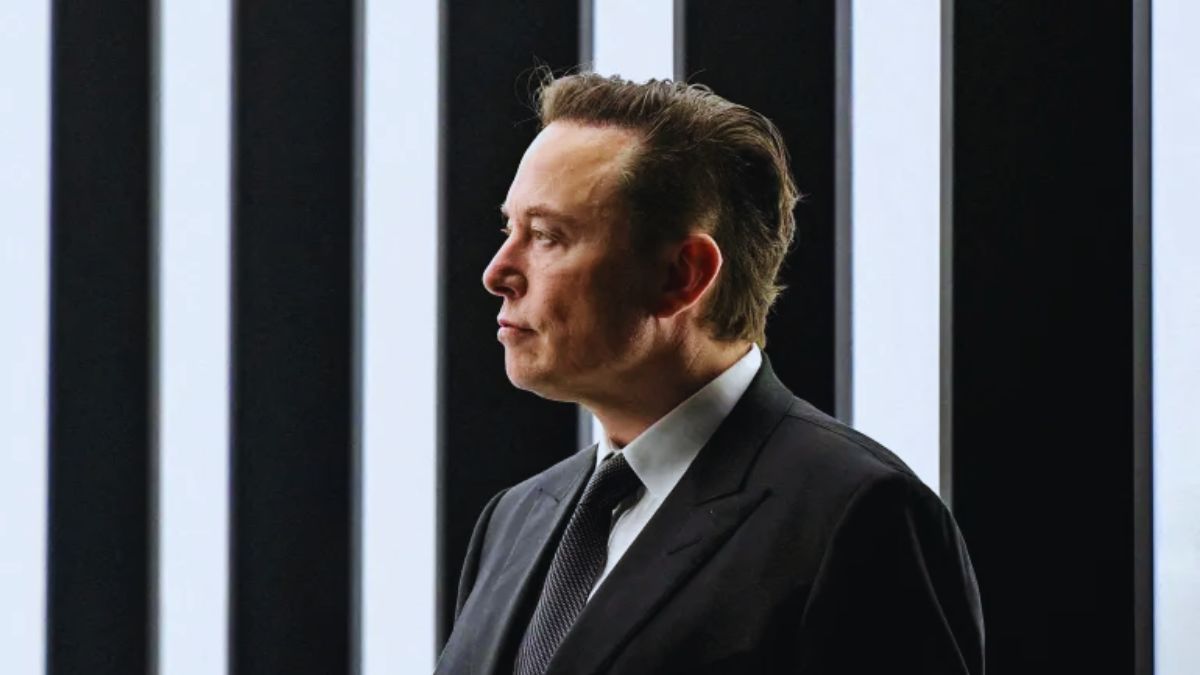
Tesla CEO Elon Musk has made global headlines – for securing the largest corporate pay package in history, potentially worth an astonishing $1 trillion.
The decision, backed by Tesla shareholders, marks a defining moment not only for the electric car giant but also for corporate compensation worldwide.
A Record-Breaking Pay Package
At Tesla’s annual general meeting in Austin, Texas, more than 75 percent of shareholders voted in favor of Musk’s new pay plan. Under the agreement, he could be awarded up to 423.7 million additional Tesla shares, valued at around $1 trillion if certain performance goals are met. However, after necessary repayments and adjustments, the final payout could amount to roughly $878 billion.
This unprecedented package ties Musk to Tesla for the next decade — a move that aims to secure his leadership as the company expands deeper into electric mobility and artificial intelligence (AI).
The Stakes: Musk’s Roadmap to $1 Trillion
To actually earn this monumental reward, Musk must deliver on a set of ambitious performance milestones that could transform Tesla — and perhaps society itself.
Here’s what he needs to achieve:
- Manufacture 20 million vehicles within the next 10 years.
- Launch 1 million operational robotaxis (self-driving Cybercabs) worldwide.
- Secure 10 million paid subscriptions for Tesla’s Full Self-Driving (FSD) feature.
- Generate annual profits of up to $400 billion.
- Boost Tesla’s market valuation beyond $1.5 trillion today, reaching up to $8.5 trillion by 2035 through nine incremental tranches of $500 billion each.
According to Tesla’s board, Musk will receive ‘zero’ if he fails to meet these exceptionally high standards — emphasizing a pay-for-performance model.
The Shareholder Vote: Confidence or Controversy?
While the overwhelming 75 percent approval shows strong investor confidence in Musk’s leadership, the decision has sparked an intense debate. Supporters see the move as a bold way to keep Musk motivated and focused on Tesla’s long-term goals, while critics argue the payout is excessive and risky for shareholders.
Some of the major investors opposing the package included Norway’s sovereign wealth fund, Glass Lewis, and Institutional Shareholder Services (ISS). Norway’s fund, which holds about 1.14 percent of Tesla, voiced concerns over the scale of the compensation and its potential to concentrate too much power in Musk’s hands. Yet, the Tesla board maintained that without the approval, Musk might consider stepping away from the company — a risk they were unwilling to take.
What’s Next for Tesla: From Cybercabs to AI Robots
Elon Musk has outlined a series of futuristic projects that could justify such a massive compensation plan. In April, he revealed plans to start production of a two-seater steering-less robotaxi called the ‘Cybercab’, along with the unveiling of the next-generation Tesla Roadster, an electric sports car.
- Tesla is also investing heavily in artificial intelligence. Musk hinted that the company may soon need in-house chip manufacturing capabilities and could potentially collaborate with semiconductor giant Intel to achieve this.
- Another ambitious project is Optimus; Tesla’s humanoid robot prototype first unveiled in 2022 – designed to perform ‘unsafe, repetitive, or boring’ tasks.
- Optimus could redefine automation across industries — and serve as a key step in Musk’s mission to build a future powered by robotics and AI.
Market Impact and Investor Sentiment
Following the pay announcement, Tesla shares rose 2 percent in pre-market trading and have climbed over 62 percent in the past six months. Analysts suggest that the renewed investor confidence, coupled with the excitement around Musk’s long-term vision, could continue to boost the company’s valuation.
- Musk’s current net worth stands at approximately $473 billion, according to Bloomberg.
- Achieving the full payout would officially make him the first person ever in history, worth over $1 trillion — a feat that would redefine personal wealth and corporate rewards.
The Bigger Picture: Genius or Gamble?
Whether this $1 trillion compensation plan is a visionary strategy or an overreach remains to be seen. Critics question whether such vast wealth concentration aligns with shareholder interests, especially amid global market volatility and increasing scrutiny of executive pay.
However, Musk’s track record of turning seemingly impossible ideas into reality — from electric cars to reusable rockets — suggests he may well rise to the challenge once again. If he succeeds, Tesla won’t just be a car company; it could evolve into a tech-driven ecosystem of AI, robotics, and mobility innovation, reshaping the world as we know it.

Helene Elliott is the Lead Science & Space Reporter at News Raise. She reports on aerospace missions, astrophysics discoveries, quantum research, and environmental technology.