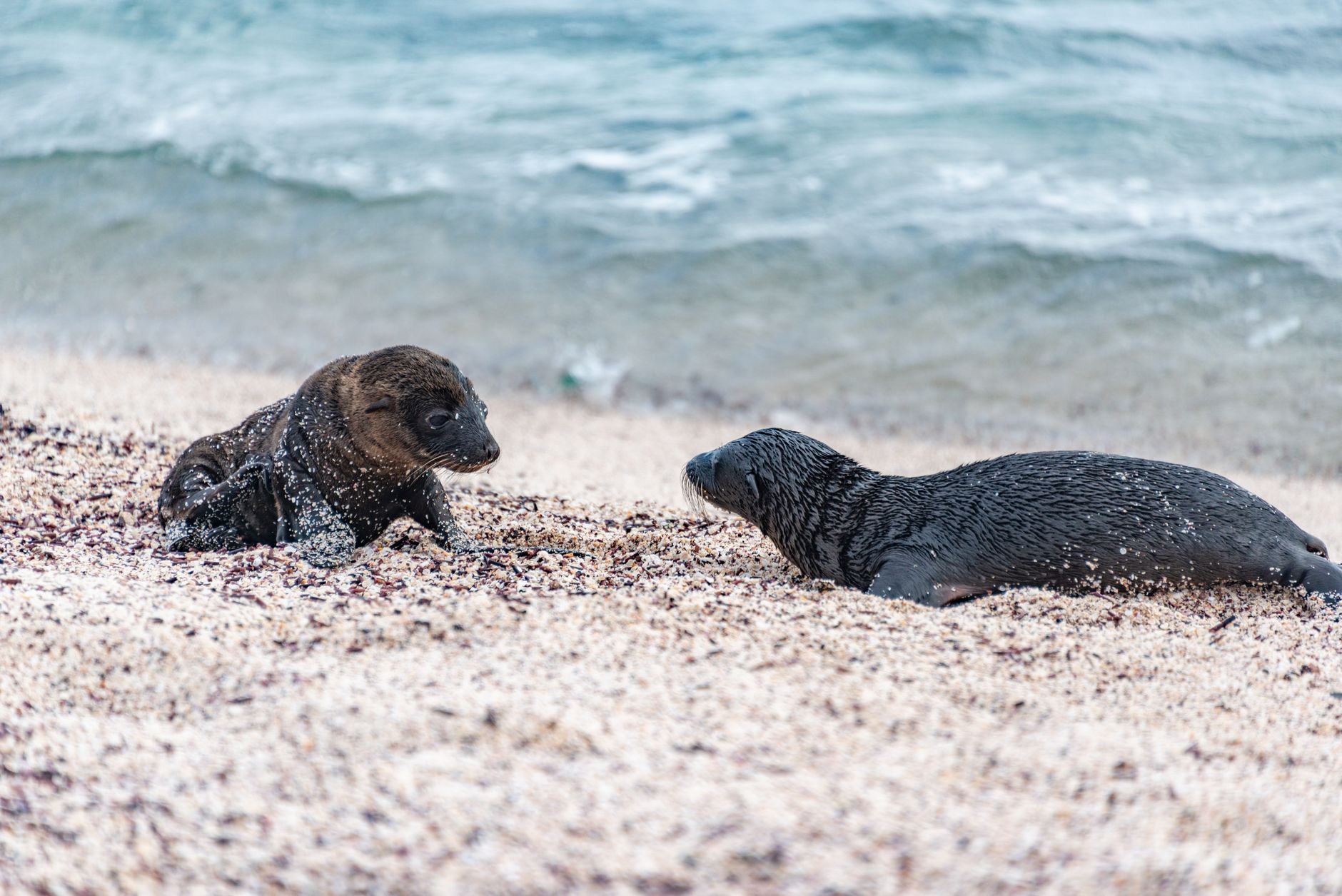
A virulent strain of bird flu has caused the deaths of an estimated 13,000 seal pups on the remote sub-Antarctic Heard and McDonald Islands, according to researchers. The virus has also impacted penguins and seabirds, contributing to a significant decline in the native wildlife population.
Devastating Impact on Seal Pups
Drone surveys conducted by the Australian Antarctic Program in October and January revealed extensive mortality among southern elephant seal pups. Jarrod Hodgson, a senior research scientist with the program, described the images of dead pups littering the volcanic shores as “sobering.” The mortality rate for southern elephant seal pups on the islands was estimated at 76% of the 17,000 pups born, with one area experiencing a concentrated death rate of 97%.
The islands, located approximately 2,485 miles (4,000 kilometers) southwest of mainland Australia, serve as an isolated sanctuary for breeding birds and marine mammals. Scientists are currently uncertain about the full impact of the H5 bird flu on the breeding adult population of southern elephant seals.
Wider Wildlife Affected
Observations in January also indicated a significant number of adult king penguin deaths on Heard Island, with mortality rates noted as being above normal levels. Wildlife biologist Julie McInnes stated that these findings represent the first detection of H5 bird flu in an Australian external territory and signify the virus’s continued eastward spread around the sub-Antarctic region.
McInnes, who is also the lead author of the group’s study, noted that the pattern observed on Heard and McDonald Islands is similar to that seen on other sub-Antarctic islands, such as South Georgia, where elephant seals have been severely affected.
Virus Origin and Spread
Analysis of genetic data suggests that the H5 bird flu was likely introduced to the islands by wildlife originating from the French sub-Antarctic Crozet Islands, situated about 1,800 km away. Researchers estimate the virus likely arrived around August 2025. As of February, neither mainland Australia nor New Zealand had reported cases of the H5N1 strain, which has been circulating among birds globally and has also affected some mammal populations.
The findings detailing the bird flu outbreak have been published in the scientific journal BioRxiv, though they have not yet undergone peer review.

Steve Lopez is a Senior Editorial Columnist and Health & Public Policy reporter for News Raise. Steve focuses on healthcare advancements, medical technologies, and public health policies.